Denmark has joined a historic nuclear deterrence partnership with France and seven other European nations, marking a significant shift in Danish security policy amid growing concerns about Russia and uncertainty over NATO’s future. The government maintains Denmark’s longstanding policy against nuclear weapons on Danish soil remains unchanged, though some politicians are now open to future debate on the issue.
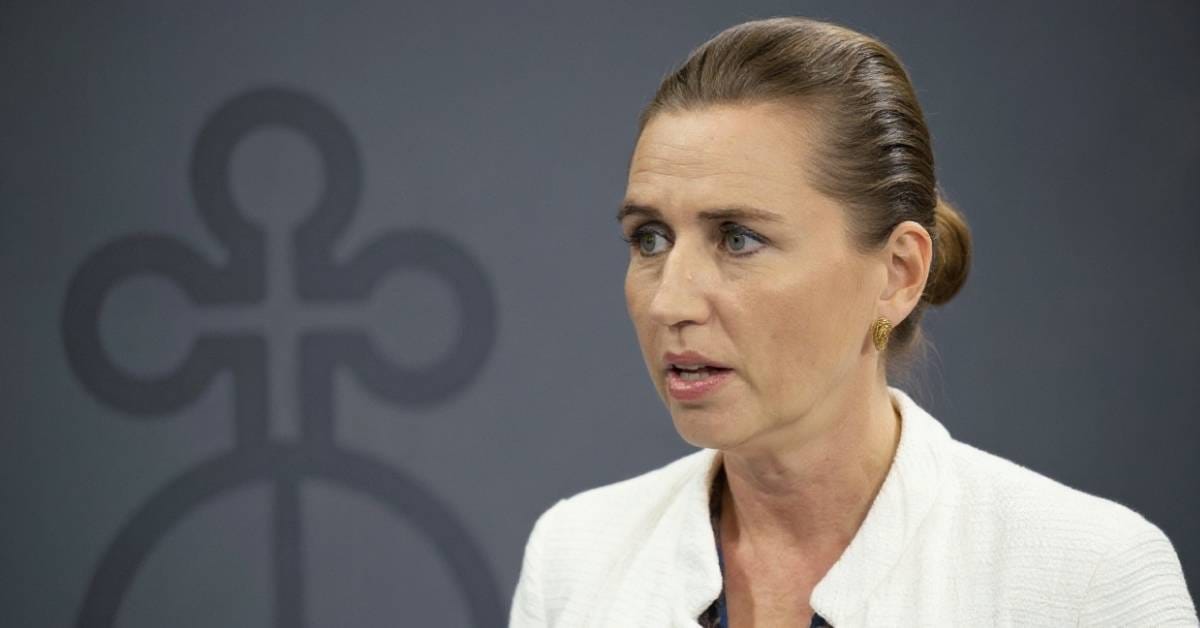
Denmark announced on March 2 it would participate in a strategic nuclear cooperation initiative led by France. Prime Minister Mette Frederiksen presented the agreement alongside Defense Minister Troels Lund Poulsen and Foreign Minister Lars Løkke Rasmussen. The decision came during an active election campaign and represents a notable change in Danish foreign policy approach.
French President Emmanuel Macron unveiled the expanded cooperation from a naval base in Brittany. He announced France would increase its nuclear arsenal and expand the number of warheads. Macron emphasized the need for greater European autonomy in defense matters. His announcement reflected widespread concerns about the reliability of American security guarantees under changing political circumstances.
The Partnership Framework
The nuclear cooperation includes nine European countries working together on deterrence strategy. Denmark joins France, the United Kingdom, Germany, Poland, the Netherlands, Belgium, Greece, and Sweden in this arrangement.
NATO Complement, Not Replacement
The agreement aims to strengthen European deterrence capabilities while maintaining NATO as the primary security alliance. Frederiksen stated that within NATO, only three countries possess nuclear deterrence capabilities: the United States, the United Kingdom, and France. The French president invited Denmark and other nations to closer cooperation in this area.
The partnership does not grant participating countries decision making authority over French nuclear weapons. Control over nuclear weapon deployment remains solely with the French president. Denmark and Sweden issued a joint statement clarifying that the initiative complements rather than replaces NATO’s nuclear deterrence framework.
Practical Cooperation Elements
Danish participation includes involvement in training exercises, joint military drills, and air surveillance operations. These activities support the broader European deterrence posture against potential adversaries. The cooperation aims to enhance Europe’s collective security architecture amid geopolitical tensions.
Defense Minister Troels Lund Poulsen emphasized that accepting this cooperation represents Denmark taking greater responsibility for its own security. He cited assessments from Denmark’s Defense Intelligence Service indicating the cooperation does not increase threats against Denmark. The framework builds on existing NATO structures while adding a European dimension to defense capabilities.
Shift in Danish Nuclear Policy
The agreement marks a departure from Denmark’s traditional approach to nuclear weapons involvement. For nearly seven decades, Denmark maintained a strict policy against any form of atomic engagement.
Historical Neutrality on Nuclear Matters
DR’s defense correspondent Mads Korsager noted Denmark has historically opposed any nuclear involvement. Nuclear policy debates dominated Danish politics during the 1970s and 1980s with intense political conflicts. Nuclear weapons policy even became the subject of a parliamentary election campaign during that era.
The traditional Danish position rejected nuclear weapons on Danish territory and limited engagement with nuclear strategy discussions. This stance reflected Cold War era sensitivities and domestic political consensus. The policy persisted through multiple governments and remained largely unquestioned until recent years.
Current Policy Statements
Government officials repeatedly emphasized that Denmark’s policy against nuclear weapons on Danish soil continues unchanged. When pressed by journalists about whether Danes could rely on this policy continuing, Troels Lund Poulsen acknowledged the current policy remains but declined to make absolute guarantees about the future. He stated he personally remains open to discussing potential changes.
Lars Løkke Rasmussen confirmed the longstanding policy stays in place for now. However, the government’s language suggests some flexibility regarding future developments. This represents a subtle but significant shift from previous absolute positions. The nuanced messaging reflects changing security realities while attempting to maintain policy continuity.
Technical Capabilities and Realities
Denmark’s F-35 fighter jets possess technical capabilities to carry nuclear weapons. Officials mentioned this capacity during discussions about the cooperation framework. However, the government stressed no plans exist to utilize this capability.
The gap between technical possibility and stated policy creates an ambiguous space in Danish nuclear posture. This ambiguity may serve strategic purposes while maintaining domestic political consensus. Defense planners now acknowledge capabilities previously avoided in public discourse.
Political Reactions Across Spectrum
The nuclear cooperation announcement generated responses from across Denmark’s political landscape. Most parties expressed support or openness to the initiative despite its departure from traditional policy.
Government and Opposition Support
Martin Lidegaard, political leader of the Social Liberal Party, strongly supports Europe developing stronger defense capabilities. He stated given uncertainty about Washington’s direction, having multiple sources of deterrence makes sense. Lidegaard views Europe and the European Union as Denmark’s closest allies.
Inger Støjberg of the Denmark Democrats concluded the decision reflects necessary adaptation to an unstable world. She noted NATO appears less solid with Trump leading the United States. Støjberg characterized the cooperation as a significant but correct decision. Her support indicates broad political acceptance of the strategic shift.
Left Wing Concerns
The Red Green Alliance rejected any changes to Denmark’s nuclear weapons policy. The party maintains opposition to Danish involvement in nuclear strategies. This stance represents continuity with traditional leftist positions on nuclear disarmament.
However, even critics acknowledged the challenging security environment. Few politicians offered outright rejection of the cooperation framework. The muted opposition suggests changed threat perceptions across the political spectrum. Russia’s actions in Ukraine fundamentally altered Danish security debates.
Election Campaign Context
The announcement came during an active parliamentary election campaign. Security issues already featured prominently due to Middle Eastern tensions and Russian threats. The timing potentially benefits the current government coalition by demonstrating international leadership.
Security focused campaigns typically favor incumbent governments that can showcase diplomatic relationships. The cooperation agreement with France provides tangible evidence of Denmark’s international engagement. Opposition parties face challenges criticizing security initiatives amid heightened threat perceptions.
Strategic Rationale and Threat Assessment
Danish officials justified the cooperation based on evolving security threats and changing alliance dynamics. The decision reflects reassessment of Denmark’s security position in Europe.
Russian Threat Considerations
Prime Minister Frederiksen explicitly stated the cooperation aims to deter other nuclear powers. While not naming Russia directly, the context clearly indicates Russian nuclear capabilities drive the initiative. Russia’s invasion of Ukraine and nuclear rhetoric heightened European security concerns.
The cooperation strengthens deterrence against potential Russian aggression toward NATO members. European nations seek credible deterrence independent of American political uncertainties. France’s nuclear arsenal provides the only EU controlled nuclear deterrent following Brexit.
American Reliability Questions
Analyst Kristian Mouritzen stated European nations no longer trust NATO completely as before. This assessment reflects concerns about American commitment to European defense. Political changes in Washington created uncertainty about Article 5 guarantees.
Andreas Lindqvist highlighted France’s unique position as the EU’s sole nuclear power. French capabilities gain importance as American reliability appears questionable. European strategic autonomy discussions intensified following doubts about transatlantic commitments. The nuclear cooperation represents practical steps toward reduced dependence on American security guarantees.
No Immediate Threat to Denmark
Despite the cooperation’s deterrence focus, officials emphasized Denmark faces no acute nuclear threat. Assessments from intelligence services support this conclusion. The cooperation serves preventive rather than reactive purposes.
The distinction between immediate threat levels and strategic preparation aims to avoid public alarm. Government messaging balances acknowledging serious security environment while avoiding panic. This approach allows policy shifts without suggesting imminent danger to Danish territory.
European Dimension and Partner Countries
The cooperation initiative reflects broader European security integration trends. Multiple nations across the continent joined the framework simultaneously.
Diverse Participant Group
Eight countries beyond France joined the nuclear cooperation arrangement. Participants include both large powers like Germany and the United Kingdom alongside smaller nations. Geographic distribution spans from Scandinavia through Central Europe to the Mediterranean.
The diverse membership demonstrates widespread European concern about security architecture. Both NATO members with varying security traditions found common ground in the initiative. Sweden’s participation alongside Denmark shows Nordic regional alignment on the issue.
Franco German Core Leadership
Germany’s participation holds particular significance given its size and central European position. French German cooperation traditionally drives European integration initiatives. Nuclear cooperation represents extension of this pattern into sensitive security domains.
British involvement despite Brexit shows continued European security cooperation beyond EU structures. The United Kingdom maintains its own nuclear deterrent and brings additional capabilities. Poland’s participation reflects Eastern European front line states seeking stronger deterrence against Russia.
Joint Nordic Approach
Denmark and Sweden issued a joint statement on the cooperation. Both Nordic nations traditionally maintained similar policies on nuclear weapons and security neutrality. Sweden abandoned long held neutrality by joining NATO recently.
The coordinated Nordic response suggests regional security discussions preceded the announcement. Denmark and Sweden likely consulted extensively before accepting France’s invitation. Nordic coordination on security matters strengthens regional influence within broader European frameworks. The joint approach also provides domestic political cover for policy changes.
Sources and References
The Danish Dream: Denmark Deploys 100 Strong Arctic Drone Army
The Danish Dream: Denmark Spends 43 Billion on Defense by 2035
The Danish Dream: Denmark Joins French Nuclear Alliance
DR: Danmark med i europæisk samarbejde om atomvåben
Berlingske: Danmark indgår historisk samarbejde med Frankrig om europæiske atomvåben
Politiken: Alvorlig Macron: Danmark er med i nyt europæisk atomvåben-samarbejde
Statsministeriet: Pressemøde den 2. marts 2026