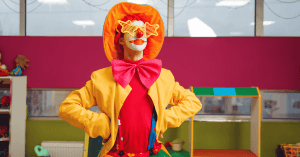
Cirkus Mascot will close after 32 years this October, three years earlier than owner Marianne Deleuran had planned, because her body is telling her to stop at 64 instead of her expected 67.
The touring circus, based in the small town of Roslev, has announced its final season will end after 18 October. For internationals living outside Copenhagen and Aarhus, the closure removes one of the fewer small-scale cultural offerings that still travels to regional Denmark. These mobile family performances reach towns that fixed city venues do not serve.
The succession problem behind the Cirkus Mascot closure
Deleuran says the decision came down to age and succession. She had expected to keep working until 67, the standard retirement age in Denmark. But her body forced an earlier exit, and her son, who joined management in 2014, wants to use his skills elsewhere. As reported by TV Midtvest, Deleuran says her son prefers to try something new after spending his whole life in the circus.
The pattern is familiar across small Danish cultural businesses: a founder builds an operation around personal commitment, but the next generation chooses a different path. According to the TV Midtvest and TV 2 reporting, the stated reason for closure is age and fatigue combined with the son’s decision not to continue the business.

What happens after the final show
According to TV Midtvest, Deleuran has said she will not stop entirely and intends to remain involved in circus life in some form. The touring operation ends after 18 October, but she does not plan a full exit from performance work.
The family is also reported, according to TV Midtvest, to be planning a new local venture under the name Mascot Hjemmeservice. That would represent a shift from cultural production into a regional service business, keeping the family rooted in Roslev rather than winding down completely.

A gap in regional cultural access
Denmark’s small touring circus sector serves towns that larger institutional venues rarely reach. When a mobile performance business closes, it removes a low-threshold option for families in smaller municipalities. For foreign residents living outside the main urban centers, itinerant shows of this kind can be among the more accessible forms of local entertainment.
No expat-specific attendance data for Cirkus Mascot was found in the available sources. The closest proxy is that the business operated as a mobile, regional service rather than a fixed venue, giving it a geographically dispersed audience across multiple towns.

The emotional toll
As stated by Deleuran to TV Midtvest, the closure is difficult because the circus has been her whole life and not just a job. She says she loves performing and seeing happy children. The comment underscores the emotional dimension of small cultural businesses, where value is often social rather than purely financial.
The circus began touring in 1994, giving it a 32-year run. That longevity reflects the personal commitment that independent performance businesses in Denmark require to survive succession pressures and rising overheads.

What you can do before Cirkus Mascot closes
If you want to see the circus before it closes, look for remaining performance dates ahead of 18 October. No ticketing or refund details have been included in the public announcement, so contact the organizer directly if you need to adjust plans.
For those curious about Denmark‘s wider cultural landscape, the closure illustrates how small family businesses sustain regional offerings until succession decisions force a stop. The company’s own contact channels are the best route for up-to-date information, as no English-language support has been announced in the reporting available.