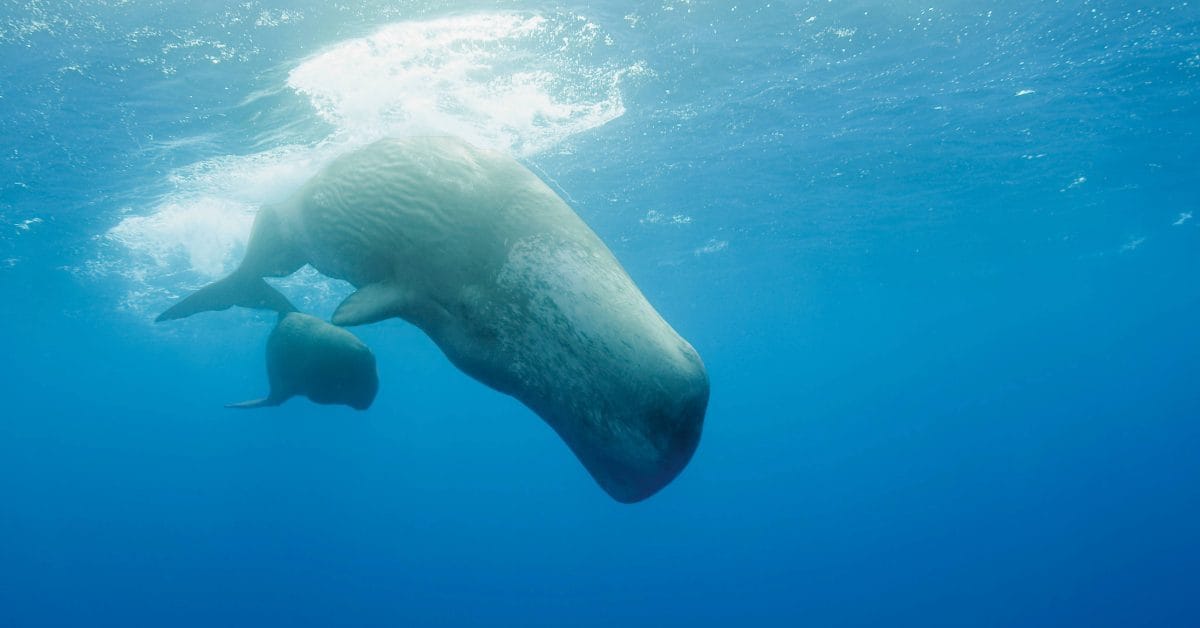
Denmark faces more frequent whale strandings in coming years as recovering sperm whale populations increasingly encounter treacherous coastal conditions. Experts call the recent wave of eight strandings within weeks a preview of a new normal driven by growing whale numbers worldwide.
Rising Whale Populations Create New Challenges
The recent surge in whale strandings along Danish coasts reflects a paradox of conservation success. After decades of protection, whale populations are rebounding globally. However, this recovery brings unintended consequences for coastal nations like Denmark.
Global Whale Numbers on the Rise
The 1986 ban on commercial whaling marked a turning point for sperm whale populations. Despite occasional violations by certain nations, the prohibition allowed these marine giants to begin recovering from centuries of hunting. Today, experts estimate between 300,000 and 800,000 sperm whales swim in the world’s oceans.
These numbers remain far below historical levels. In the 18th century, populations likely exceeded one million and possibly reached two million individuals. Nevertheless, the current growth trajectory suggests continued increases in coming decades.
Denmark as a Natural Death Trap
Biologist and nature guide Peter Skødt Knudsen describes the phenomenon causing strandings as the sperm whale trap. Male sperm whales migrate each winter from the Atlantic Ocean to northern Norway. There they feast on Arctic squid and other prey to build size and strength.
The danger emerges on their return journey southward. Whales that mistakenly turn left around the United Kingdom enter the North Sea, where shallow waters confound their sonar navigation systems. Unable to orient themselves properly, these massive animals often run aground on Danish beaches.
Historic Events Provide Context
Knudsen characterizes the recent strandings as historic, marking the first such incidents in Denmark since similar events a decade ago. The weekend stranding of six sperm whales near Fanø captured national attention. Yet even this pales compared to the 1996 mass stranding on Rømø, when 16 sperm whales washed ashore simultaneously.
The first whale of this recent series stranded near Ålbæk in North Jutland on January 31, 2026. Over subsequent weeks, seven more individuals followed. One whale even stranded twice before finally succumbing.
Scientific and Public Response
The concentration of strandings within such a short timeframe has energized both researchers and coastal communities. While the clustering appears somewhat coincidental, experts warn against dismissing these events as isolated incidents.
Experts Predict Continued Increase
Knudsen emphasizes that growing global sperm whale populations will inevitably lead to more frequent strandings in Denmark. As populations continue recovering toward historical levels, more whales will navigate through dangerous waters. The mathematics seem unavoidable: more whales mean more strandings.
This prediction carries both positive and negative implications. The recovery of whale populations represents a conservation triumph after decades of exploitation. At the same time, coastal nations must prepare for the practical challenges these massive animals present when they wash ashore.
Challenges of Managing Stranded Whales
Knudsen was first on scene at one of the Fanø strandings. He describes the experience as overwhelming for human perception. Witnessing 40 tons of muscle, blubber, and tail fin rolling on a beach defies normal cognitive processing. The sheer scale appears almost unreal.
These strandings require substantial resources to manage. Heavy machinery becomes necessary to move the enormous carcasses. Public safety concerns arise from decomposition and the spectacle that attracts large crowds. Beach closures and coordinated responses strain local authorities.
Silver Linings in Crisis
Despite the tragic nature of whale strandings, Knudsen identifies positive outcomes from increased public attention. Each stranding generates widespread interest and media coverage. This heightened awareness creates opportunities for education about marine mammal conservation.
Greater public engagement translates into expanded scientific knowledge. Researchers gain access to specimens for study, improving understanding of whale biology and behavior. This information proves crucial for developing strategies to protect sperm whales and create favorable conditions for their continued recovery.
Looking Forward
Denmark must prepare for a future with more frequent whale strandings. The trend appears likely to continue as long as populations keep growing and migration patterns persist.
Adaptation and Prevention
Coastal communities will need enhanced response protocols and resources. Quick intervention becomes essential for animal welfare and public safety. Investment in monitoring systems could provide early warning of whales entering dangerous shallow waters.
Scientists continue studying whether any measures might reduce stranding frequency. Understanding exactly why certain whales make navigational errors could suggest prevention strategies. However, the fundamental geography of Danish coastal waters may limit potential solutions.
Conservation Success Stories
The increase in strandings ultimately reflects successful whale protection efforts spanning decades. Populations recovering from near extinction demonstrate that international conservation agreements can work. The challenge now involves managing the consequences of that success.
Denmark’s experience may preview what other coastal nations will face as whale populations continue rebounding globally. Sharing knowledge and developing best practices will benefit countries worldwide. Meanwhile, each stranding provides valuable data advancing scientific understanding of these magnificent creatures.
Sources and References
The Danish Dream: Massive Whale Stranding Shocks North Jutland Coast
The Danish Dream: Whale Dies After Swallowing 12kg of Fishing Nets
The Danish Dream: Thieves Steal Protected Whale Jaw Twice
DR: Ekspert: Flere hvaler kan ryge i dødsfælden på danske strande fremover