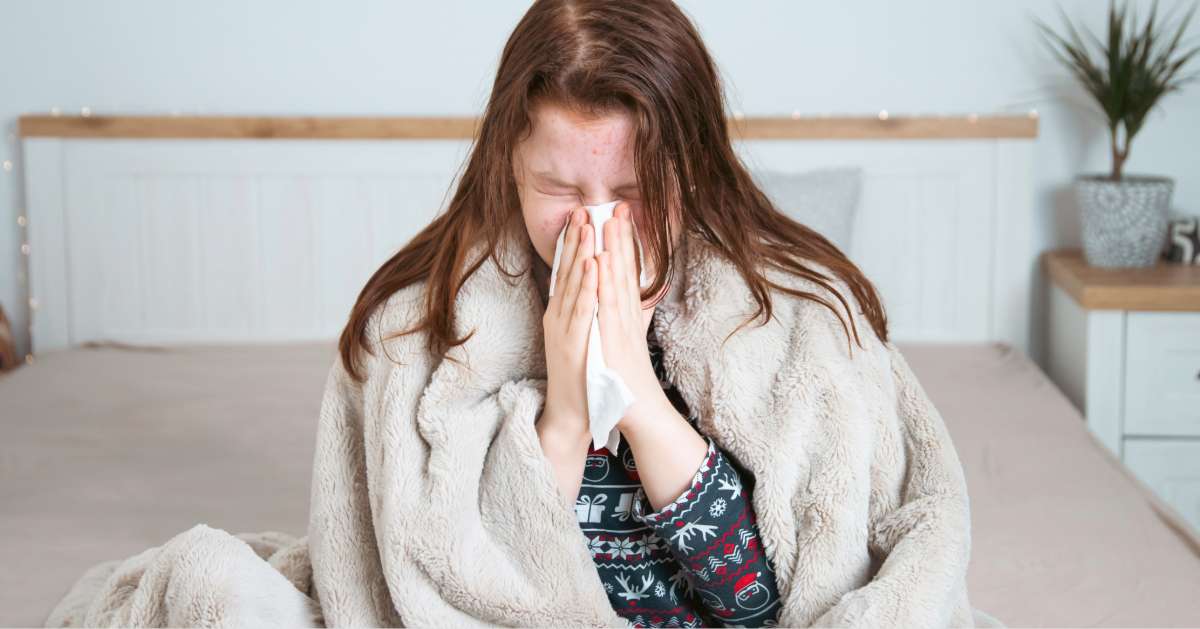
Denmark is experiencing one of its most severe influenza seasons in recent years, with pharmacies reporting surging sales of cold and flu remedies as infection levels reach very high classification. While hospitalization numbers remain elevated, health officials say the peak may have passed, offering hope that the worst of the season is behind us. 


Record Breaking Flu Season Hits Denmark Hard
The 2025 to 2026 influenza season has proven exceptionally challenging for Denmark. More than 2,500 confirmed influenza cases were recorded in early March, representing the highest level observed throughout the entire winter season. This figure marks an increase from approximately 2,200 cases the previous week, confirming health officials’ earlier warnings that this season would be particularly severe.Southern Hemisphere Provided Early Warning
Danish health authorities anticipated the severity of this season by monitoring patterns from the southern hemisphere during their winter months. Countries including Australia, South Africa, and South America experienced their harshest influenza seasons in many years, providing a preview of what Denmark would face. Michael Dalager Pedersen, chief physician at the Infectious Disease Department at Aalborg University Hospital, explains that this advance warning allowed some level of preparation, though it could not prevent the significant impact. The infection has gripped Danes with stubborn persistence. Many people report coughing for months and experiencing multiple rounds of illness from different viral infections. The prolonged nature of symptoms has left many struggling to return to normal health, creating sustained demand for remedies and medical care.Multiple Viruses Circulating Simultaneously
Influenza is not acting alone this season. RS virus infections remain elevated, though they are declining from earlier peaks. COVID-19 transmission continues at moderate levels, though hospitalization rates remain low. The combination of multiple respiratory viruses circulating simultaneously has created a complex public health challenge, with different pathogens affecting different age groups and vulnerable populations. This multi pathogen environment means that many Danes experience sequential infections. Someone might recover from one virus only to contract another weeks later, prolonging the overall period of illness and recovery across the population.Pharmacies See Unprecedented Demand
The surge in respiratory infections has created extraordinary pressure on Danish pharmacies. Lars Walmar, who operates pharmacies in Hadsund, Mariager, Terndrup, and Hobro, reports dramatic increases in sales of over the counter medications. Paracetamol, cough medicines, nasal sprays, and throat lozenges are moving off shelves in volumes rarely seen.Extended Illness Duration Creates Sustained Demand
Unlike typical flu seasons where demand spikes quickly and subsides, this season has featured sustained elevated demand. Customers report coughing for several months rather than the typical one to two week duration. Many return multiple times as they battle successive infections or prolonged symptoms from a single illness. This extended timeline has created ongoing strain on pharmacy inventory and staffing. The persistent nature of symptoms also reflects the severity of circulating viral strains. When infections linger for months, they disrupt work, family life, and normal routines far more than brief illnesses. For pharmacies, this translates into sustained high traffic and repeated consultations with the same customers seeking relief.Signs of Improvement Beginning to Emerge
Despite the challenging conditions, recent data suggests the season may be turning a corner. The number of patients hospitalized with influenza at Aalborg University Hospital has begun declining, offering the first tangible evidence that infection rates may be peaking. Last year, which was also considered a hard season, saw 60 influenza patients hospitalized in North Jutland at the peak. This year reached approximately 75 at its worst point, but numbers are now dropping. Lars Walmar observes that pharmacy traffic appears to be moving in the right direction, though activity remains at elevated levels. The cautious optimism reflects both the welcome decline and the recognition that infection rates remain significantly above normal seasonal patterns.Hospital Systems Under Significant Strain
The combination of high infection rates and staff illness has created serious operational challenges for Danish hospitals. Multiple facilities across the country report significant pressure, with some forced to place patients in corridors due to capacity constraints. The situation illustrates how infectious disease outbreaks affect healthcare systems through both increased patient demand and reduced workforce availability.Staff Infections Compound Patient Care Challenges
Regionshospitalet Nordjylland in Hjørring has experienced particularly acute difficulties. The facility has needed to hospitalize patients in hallways and redistribute them across different departments to manage capacity. Medical director Steffen Eg Helmer Kristensen reports that no department at the hospital has escaped the impact of the current influenza epidemic. A substantial proportion of hospital staff have themselves fallen ill with influenza, necessitating emergency calls for additional physicians and nurses. When healthcare workers become infected, they must isolate to prevent transmission to vulnerable patients, creating staffing gaps precisely when patient numbers surge. This dual impact severely tests hospital resilience and contingency planning.System Wide Impact Beyond Single Facilities
The strain extends beyond individual hospitals to represent a system wide challenge. When one facility reaches capacity, it affects the entire regional network as patients may need transfer or redistribution. Emergency departments face longer wait times, elective procedures may face delays, and staff work extended hours to cover absences. These cascading effects demonstrate how respiratory virus seasons impact healthcare delivery across multiple dimensions simultaneously. The situation underscores the importance of preventive measures including vaccination and infection control practices. While vaccines cannot prevent all infections, they significantly reduce severity and hospitalization rates, helping preserve healthcare system capacity during peak transmission periods.Emerging Disease Surveillance Detects New Threats
While influenza dominates current public health attention, Danish surveillance systems continue monitoring for emerging threats. Recent findings highlight how disease patterns shift and new risks appear, requiring constant vigilance and adaptation.West Nile Virus Detected for First Time
Antibodies against West Nile virus were detected in four horses in Denmark for the first time, based on blood samples collected in autumn 2025. The discovery emerged from collaborative research between Copenhagen University and the State Serum Institute. Though the infected horses showed no observable symptoms, the finding marks significant evidence of the mosquito borne virus reaching Danish territory. West Nile virus primarily circulates among wild birds and mosquitoes but can infect horses and humans. Most infected humans experience no symptoms or only mild illness. However, in rare cases, particularly among elderly and immunocompromised individuals, infection can cause encephalitis and death. The State Serum Institute emphasizes that while significant, the virus does not currently represent a major public health threat in Denmark. The probability of being bitten by an infected mosquito remains very small.Climate Change Drives Northward Virus Expansion
The West Nile virus detection follows documented cases in neighboring Northern Germany in recent years and cases near the Danish German border in 2024. This pattern suggests northward geographic expansion driven by climate change and extended mosquito seasons. Warmer temperatures and longer warm periods allow mosquito populations to thrive further north and remain active later in the year, expanding the range of mosquito borne diseases. Denmark currently lacks a human vaccine against West Nile virus, though a vaccine exists for horses. Authorities emphasize the need for continued surveillance under a One Health framework that integrates animal health, human health, and environmental factors. This approach recognizes that human, animal, and environmental health are interconnected, requiring coordinated monitoring and response.Avian Influenza Affects Domestic Poultry
While human influenza circulates widely, avian influenza continues affecting bird populations. A small hobby chicken farm with 22 birds near Bandholm on Lolland was confirmed with avian influenza on February 22, 2026. The Danish Food and Agriculture Authority culled all birds at the premises to prevent further spread.Protection Zones Established Around Outbreak Site
In response to the confirmed infection, authorities established a three kilometer protection zone and a ten kilometer surveillance zone around the infected premises. Strict movement restrictions apply to poultry, eggs, and poultry products within these zones. All poultry owners within the three kilometer zone must register themselves with authorities. These measures aim to contain the outbreak and prevent transmission to commercial operations or other hobby farms. The infection reflects ongoing high infection levels among wild birds. Authorities remind poultry keepers to maintain strict biosecurity measures, including protective covering of feed and water and hygiene protocols before accessing poultry areas. Wild birds can shed virus in droppings and respiratory secretions, which can contaminate environments where domestic poultry live.Human Risk Remains Very Low
While avian influenza poses significant risk to domestic and commercial poultry operations, the risk to humans remains very low. Transmission to people occurs only in rare circumstances, typically involving prolonged close contact with infected birds. The outbreak nonetheless underscores the interconnected nature of zoonotic disease transmission across the animal human environment continuum, particularly relevant given simultaneous elevated human influenza transmission. Denmark’s response demonstrates how veterinary and public health systems coordinate to address disease threats that span species boundaries. The quick culling decision, zone establishment, and biosecurity reminders reflect standard protocols designed to protect both animal and human populations.Comprehensive Surveillance Enables Early Detection
Denmark maintains robust systems for monitoring infectious diseases, providing the foundation for evidence based public health decisions and early warning of emerging threats.Weekly Respiratory Infection Monitoring
The State Serum Institute maintains comprehensive weekly surveillance of respiratory infections, including influenza, RS virus, and COVID-19. Updates are published every Wednesday from week 40 through week 20, supplemented by an interactive dashboard updated weekly. This system integrates epidemiological and virological monitoring to track influenza season timing, isolate and characterize circulating virus strains, assess vaccine effectiveness, and evaluate season severity. The surveillance infrastructure allows authorities to detect changes in transmission patterns quickly and communicate risks to healthcare providers and the public. When infection rates surge or new variants emerge, the system provides data needed to adjust recommendations and allocate resources appropriately.One Health Approach Integrates Multiple Data Streams
The detection of West Nile virus in horses demonstrates Denmark’s integration of animal, human, and environmental health monitoring. West Nile virus surveillance monitors humans, horses, wild birds, and collected mosquitoes at selected locations. This comprehensive approach reflects participation in EU funded monitoring networks such as OH4Surveillance, which supports early detection of zoonotic diseases with pandemic potential. By monitoring diseases across species and ecosystems, Denmark can identify emerging threats before they significantly impact human populations. The horse infections provide an early signal of West Nile virus circulation, allowing public health authorities to enhance mosquito surveillance and prepare messaging about prevention measures, even though current risk remains low.Sources and References
DR: Kraftig smitte med influenza og vira giver travlhed på apotekerne