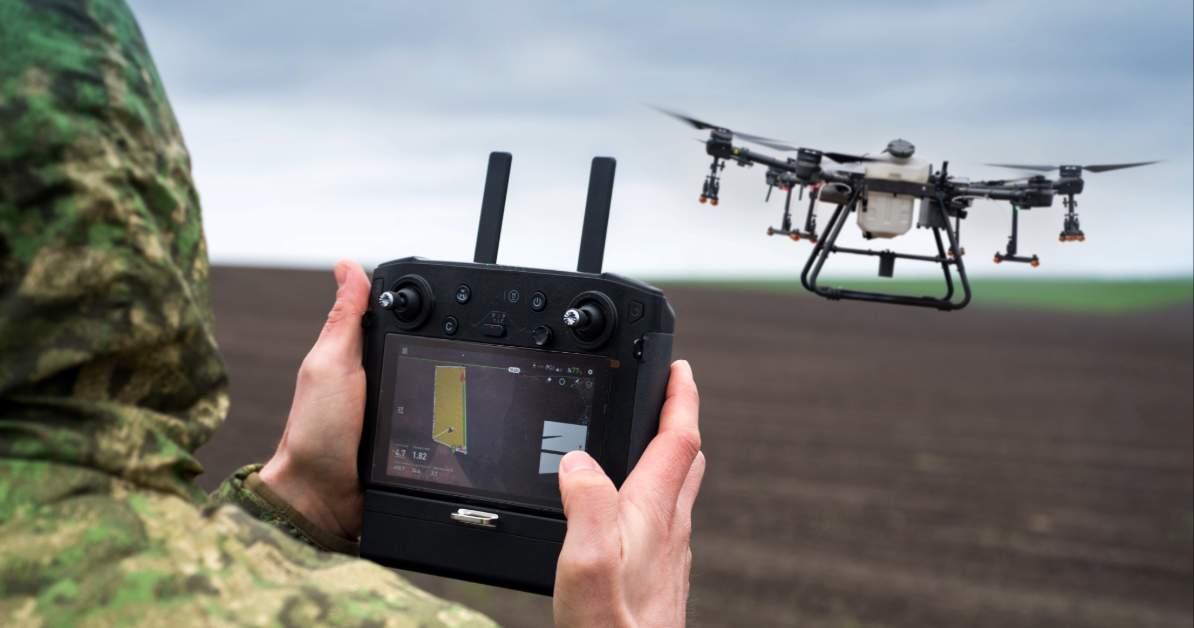
Denmark’s military is recruiting over 100 personnel for a new drone squadron based in Aalborg that will conduct surveillance over the Arctic, North Atlantic, and Baltic Sea. The recruitment drive is part of an 88 billion kroner investment to strengthen Danish military presence in the far north amid growing strategic competition in the region.
New Drone Squadron Established at Aalborg Air Station
The Danish Armed Forces has launched a major recruitment effort to staff Eskadrille 729, a newly formed drone squadron tasked with monitoring vast stretches of Arctic and North Atlantic waters. The unit became operational in February 2026 and will operate four MQ-9B SeaGuardian drones from a purpose-built control center at Flyvestation Aalborg.
Specialized Personnel Required
The military needs approximately 100 people to operate the squadron. Trained pilots from existing military aviation programs will fly the drones remotely, but most other positions will be filled from outside the armed forces. System operators, technicians, and support staff must be recruited from civilian life, according to base commander Colonel Lars Christian Hedemark.
He emphasized that candidates need a capacity for working in dynamic flight and control room environments. The first crews will be selected this year and sent to the United States for training on the advanced unmanned aircraft systems.
Long Range Aircraft With Extended Capabilities
The MQ-9B SeaGuardian drones represent a significant capability upgrade for Danish surveillance operations. These fixed-wing aircraft have a 24-meter wingspan and 12-meter length, allowing them to operate at high altitudes in some of the world’s harshest climates. Each drone can remain airborne for more than 40 hours without refueling.
From their Aalborg base, the unmanned aircraft will reach waters around Greenland and deep into the Arctic. Beyond surveillance, the drones will support environmental monitoring, search and rescue operations, and intelligence gathering activities across the region.
Part of Massive Arctic Investment Program
The recruitment drive connects directly to Denmark’s historic commitment to Arctic defenses. The Danish government allocated approximately 88 billion kroner in 2025 through two separate investment agreements focused on strengthening military capabilities in the far north.
Billions Committed to Arctic Capabilities
The first investment package came in January 2025, followed by an expanded commitment in October of the same year. Together, these agreements fund satellite surveillance systems, additional long-range drones, new Arctic patrol vessels, expanded maritime patrol aircraft capabilities, icebreaker capacity, and specialized Arctic units. The drone squadron at Aalborg represents one element of this broader strategic expansion.
Government statements positioned the investment as a clear priority to increase both Danish and NATO responsibility in Arctic and North Atlantic regions. The scale and speed of implementation suggest response to perceived shifts in Arctic security dynamics.
NATO Coordination Across the Region
Danish drone operations will integrate into NATO’s Arctic Sentry framework, which coordinates alliance activities across the high north. Denmark’s F-35 fighter aircraft have already become the first Danish contribution to this NATO-wide initiative. Multiple exercises throughout 2026 involve coordination with allied forces and Greenlandic authorities.
Arctic Sentry consolidates national military activities into a unified alliance posture. Denmark leads several specific exercises within this framework, including Arctic Shield with the Home Guard and Brilliant Ice, a logistics operation involving airborne fuel delivery to Station Nord in northeastern Greenland.
Reviving a Cold War Era Squadron
Eskadrille 729 previously existed during the Cold War era, flying Draken reconnaissance aircraft until 1993. Those missions focused primarily on gathering aerial imagery over the Baltic Sea. The squadron designation was deliberately revived because the new unit’s mission closely mirrors its predecessor’s role, though with fundamentally different technology.
New Facilities Under Construction
Construction of dedicated squadron buildings begins this spring at Flyvestation Aalborg. The complex will include multiple operations rooms for remote drone piloting, maintenance facilities, and support infrastructure needed to sustain continuous operations. Colonel Hedemark described the project as a complete eskadrille facility capable of supporting all aspects of unmanned aircraft operations.
The four Danish drones are currently being manufactured specifically for the Danish Armed Forces through NATO’s procurement organization. Delivery is scheduled throughout 2028, with initial surveillance missions planned from the beginning of 2029.
Training Pipeline Established
The period until operational deployment will focus on building expertise across all aspects of drone operations. Pilots, technicians, and support personnel will undergo specialized training to handle the sophisticated sensor systems, long-duration flights, and complex coordination required for Arctic surveillance missions. The aircraft must be certified to fly in civilian airspace alongside manned aircraft, adding regulatory complexity to the training requirements.
Beyond the drone squadron, Denmark is strengthening other Arctic capabilities. The elite Slædepatruljen Sirius dog patrol received 175 million kroner to establish a supplementary rapid-response unit staffed by former Sirius personnel. This snowmobile-equipped force can deploy via parachute or air transport to remote Arctic locations. Additionally, Arctic Command is undergoing organizational expansion with a new headquarters and dedicated Arctic units to support increased operational tempo in the region.
Sources and References
The Danish Dream: Denmark Boosts Arctic Defenses Amid U.S. Tensions
DR: Forsvaret søger 100 personer til overvågning af Arktis og Grønland