A Danish father was publicly criticized as a “curling parent” after posting on Facebook to ask his network for secondhand items for his 19-year-old daughter’s first apartment. While the post generated an overwhelming response of donations, it also sparked heated debate about overprotective parenting, with critics calling him a beggar and questioning why his adult daughter didn’t handle it herself.
Father’s Facebook Post Goes Viral
Michael Winther-Jensen, a 44-year-old entrepreneur and teaching assistant from Randers, decided to help his daughter Anna Emilie prepare for her move into her first apartment. Instead of buying everything new, he posted on Facebook asking friends if they had any household items to spare.
The response was immediate and overwhelming. Within just 20 minutes, the post went viral. People from Copenhagen, Funen, and Southern Jutland offered everything from vases and glasses to lamps and picture frames.
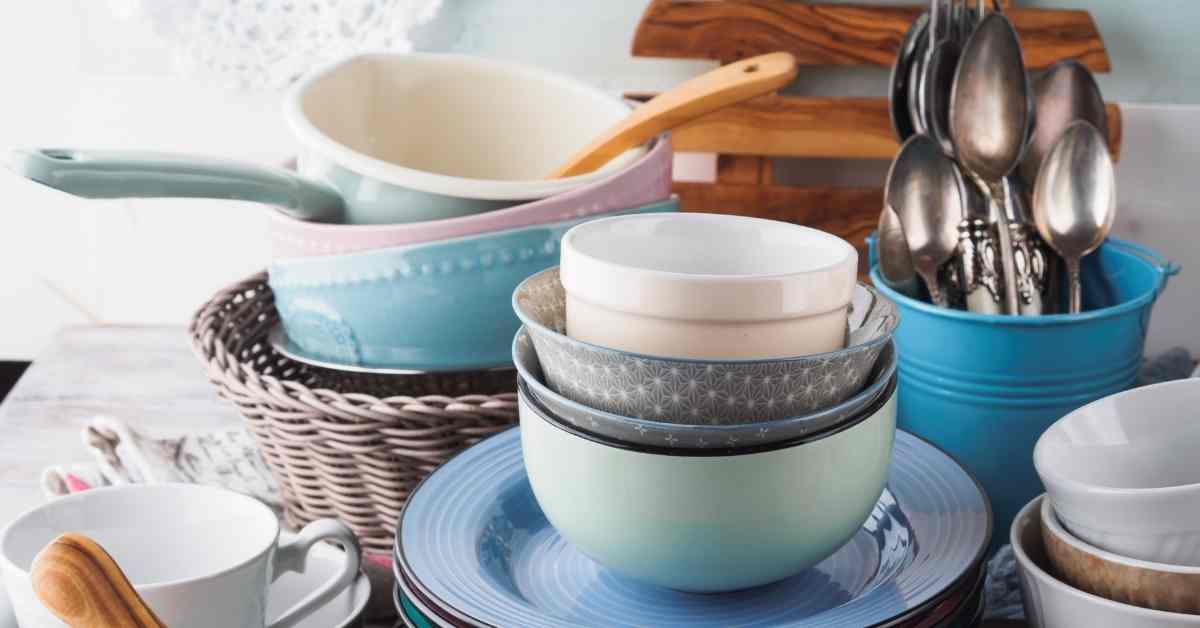
Michael was stunned by the reaction. He spent hours coordinating pickups and responding to messages from strangers eager to help. His dining room in Randers quickly filled with donated items including an air fryer, dishes, cups, cutlery, and decorative pieces.

Backlash and Accusations of Being a Curling Parent
Despite the positive response, the Facebook post also attracted sharp criticism. Some users called Michael a beggar and questioned why his adult daughter didn’t make the post herself. Others accused him of being a curling parent, a term used in Denmark to describe overprotective parents who remove every obstacle from their children’s path.
One particularly harsh comment received 430 likes from other users. Critics wondered whether the 19-year-old was capable of taking responsibility for her own life if her father had to ask for help on her behalf.
Michael dismissed the curling parent label. He argued that helping where needed doesn’t prevent children from becoming independent. According to him, the very act of a young person deciding to move out demonstrates responsibility.
He also pointed out the practical advantage of his approach. As an established 44-year-old with a large network, he could reach far more people than his teenage daughter could. Without his post, they wouldn’t have received nearly as many donations.
What Are Curling Parents?
The term “curling parents” entered the Danish language in 2000, referring to mothers and fathers who treat their children like curling stones. Just as curling players sweep the ice to clear the path for the stone, these parents supposedly remove every challenge from their children’s lives.

The concept has become widespread in Danish media and public debate. Recent years have seen multiple stories about allegedly overprotective parents. In 2017, parents complained to Roskilde Festival about poor camping spots for their adult children. That same year, Tivoli amusement park changed the name of an attraction from “The Haunted Orphanage” to simply “The Haunted” after parental complaints.
In 2024, journalist Henrik Qvortrup faced backlash after posting on LinkedIn to help his daughter find a job. Universities have reported parents calling to complain when their adult children fail exams.
However, experts question whether curling parents actually exist as a widespread phenomenon. Grethe Kragh-Müller, professor emerita at Aarhus University’s Department of Education, says the concept lacks scientific backing.
She explained that just because something is said frequently doesn’t make it true. There is no research demonstrating that Danish parents are so overprotective that their children fail to become independent. The term has become popular in media discourse, but it isn’t supported by actual studies.
Research Challenges Common Assumptions
According to Kragh-Müller, who has spent 50 years researching family relationships, parents and children today have closer relationships than previous generations. The world has become more complex and difficult to navigate, so young people need more guidance from their parents.

Naturally, there’s a balance to maintain. Parents shouldn’t do so much for their children that they never learn to solve problems independently. But finding that balance requires trial and error. No instruction manual exists for perfect parenting.
In all her years of research, Kragh-Müller has only encountered parents trying to give their children the best possible start in life. She believes society should stop being so judgmental, because no parent can honestly claim they’re doing everything right.
Father Defends His Decision
Michael emphasized that he and his daughter could easily have bought everything new from stores. That would have been simpler. But he wanted to teach Anna that old items can find new life and create meaningful connections.
When his daughter sets the table in her new apartment, she’ll be able to look at the silverware and remember it came from someone named Gitte. For Michael, that represents love and community rather than mere convenience.
One woman from Funen even invited them to visit her thrift shop and take whatever they needed for free. The generosity confirmed Michael’s belief in the value of asking for help within one’s community.
He acknowledged that some negative comments targeted not just his parenting but also their finances and even his daughter’s appearance. While the criticism didn’t affect him personally, he struggled to understand why strangers felt compelled to write such harsh things about people they’d never met.
No Regrets Despite Criticism
When asked if the negative comments made him doubt his decision to create the Facebook post, Michael’s answer was immediate and emphatic. Absolutely not. His dining room was filled with secondhand treasures, and that outcome justified everything.
The harsh comments came from people who knew nothing about his family or their circumstances. If faced with the same situation again, he would make the same choice without hesitation.
Eventually, Anna will move into her new home surrounded by items that carry stories and connections to the people who donated them. For both father and daughter, that sense of community and sustainability matters far more than avoiding criticism from internet strangers.
Interestingly, the backlash itself reveals something about modern Danish culture. The intense reaction to a simple request for household items suggests deeper anxieties about parenting, independence, and the proper boundaries between parents and adult children.
Meanwhile, experts like Kragh-Müller argue these debates often miss the point. Rather than condemning parents for helping their children, society should recognize that different families navigate independence differently. What looks like overprotection to outsiders might simply be appropriate support within a particular family’s context.
Sources and References
The Danish Dream: An Expat Guide to Renting in Denmark and Find Affordable Housing
The Danish Dream: Best Home Content Insurance in Denmark for Foreigners
TV2: Ville hjælpe 19-årig datter: Hængt ud som curlingfar