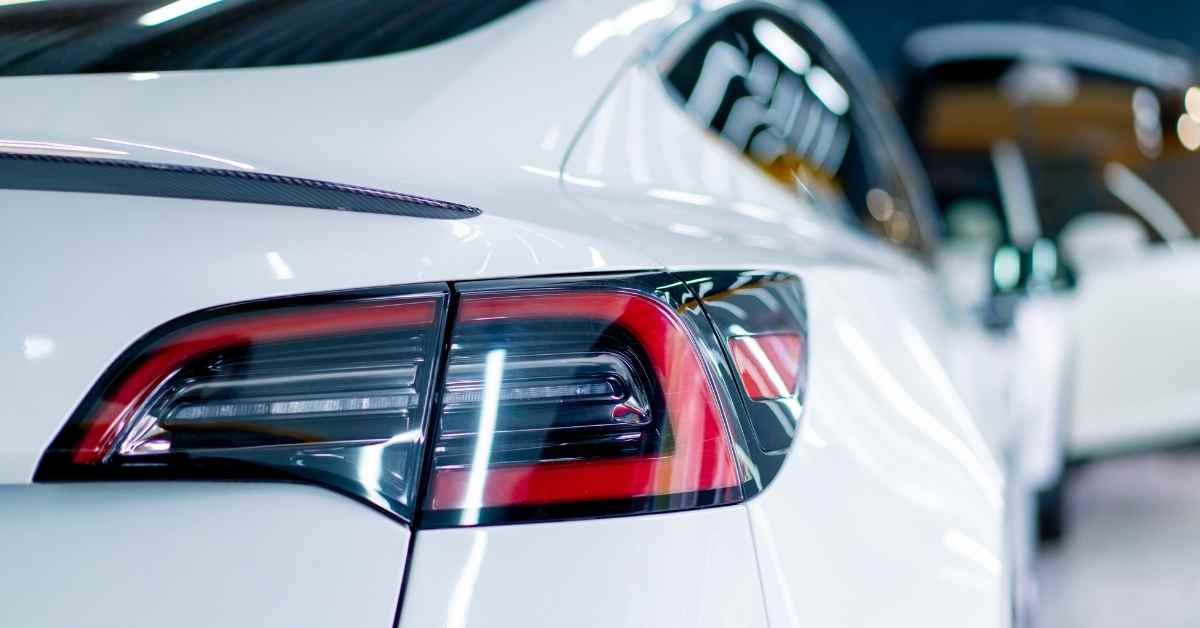
A new analysis reveals that four out of five Danish consumers are rejecting American cars, with 86 percent citing political reasons as Donald Trump’s threats against Denmark drive unprecedented resistance to US automotive brands. Tesla searches have plummeted dramatically on Denmark’s largest used car platform, while European manufacturers like Volkswagen and Skoda see sales surge by 45 and 77 percent respectively.
Political Tensions Drive Consumer Backlash
For a month now, Donald Trump has been making threats against Denmark. He has threatened military force and punitive tariffs, and his desire to take over Greenland has created an increasingly tense situation between the United States and Europe.
Something suggests that Trump’s persistent threats, which started the day he took office, are leaving a large number of Danish consumers with a growing desire to steer clear of American brands. At least when it comes to cars.
That picture emerges from a new analysis conducted by consulting firm Loyalty Group. Four out of five respondents say no to car brands from the USA, and of those, a full 86 percent would reject American cars for political reasons.
Mikkel Korntved, CEO of Loyalty Group, finds the strength of the reaction surprising. The analysis was answered by 7,400 Danish car owners.

Resistance Surpasses Opposition to Chinese Brands
In a similar analysis from February 2025, three out of five showed skepticism toward American cars. At that time, Tesla owner Elon Musk had just declared his support for Donald Trump, and the backing for America’s then newly elected president led Danes to reconsider whether the otherwise popular American electric car should sit in their garage.
Since then, the resistance only appears to have grown, Korntved notes. Last year, the resistance was tied to both the new administration and Elon Musk, and therefore Tesla. It was also Musk’s personal behavior that people distanced themselves from. In the new 2026 figures, it is very clear that it is Trump and the administration driving the further negative development.
The United States now also surpasses China, which has previously topped the list of markets consumers would turn their backs on when buying a car. Consumer resistance to Chinese brands is also visible, but it appears to be largely rooted in uncertainty about the technical quality of the car brands, their ability to survive, and the risk of surveillance in addition to political concerns, Korntved explains.
Denmark’s imports of motor vehicles for the transport of goods from the United States were minimal at just $19.84 thousand in 2024, underscoring limited demand for specific American vehicle categories. This figure highlights how niche US truck or goods transport models fail to penetrate the Danish market, where practicality and fuel efficiency favor smaller European vehicles.
European Brands Gain Ground
According to FDM, the car owners’ interest organization, there is no doubt that more car buyers bring their critical sense when investing in a new car. Ilyas Dogru, consumer economist at FDM, confirms this trend.
A car is a major investment in Denmark, so consumers care about how much car they get for their money, but geopolitical questions also matter for the choice of car. Occasionally, we also experience resistance to the USA being expressed in our advisory services.
Dogru points out that there are now many good alternatives to Tesla that can match Tesla on quality, range, and safety. Among others from the European car manufacturers, who are currently selling very well in Denmark.
Looking at the sales figures for 2025, Tesla dropped 41 percent compared to 2024. Meanwhile, Volkswagen increased 45 percent, while Skoda sold a full 77 percent more cars to Danes in 2025.
It is remarkable that the Europeans have increased so significantly. We don’t know if the reason is political. We must see whether the recent public sentiment against the USA is something that will be reflected in the sales figures for 2026. Competition is fierce, Dogru notes.
In contrast, US imports from Denmark of vehicles reached $136.28 million in 2024, indicating Denmark exports higher value or specialized vehicles to the US, but American cars face rejection in Denmark. This asymmetry reflects consumer preferences where factors like high fuel consumption and stronger warranties from European brands drive the rejection rate.
Search Data Shows Dramatic Decline for Tesla
Jan Lang, market analyst at Bilbasen, Denmark’s largest trading platform for used cars, believes fewer Teslas will be sold in 2026. There is also a trend to track at Bilbasen. Tesla is falling dramatically in searches right now.
When Elon Musk announced his support for Trump, searches for Tesla also dropped drastically, but it is even more pronounced right now. It is a 5 to 10 percent drop on a weekly basis, Lang explains. He also reveals that Tesla ads are staying live longer than they usually do.

Lang is convinced that Trump is the answer to why. We can clearly see the connection between what has happened in the last month and our search numbers. The cars have not gotten worse, and the competitors have not gotten better.
One thing is what people say and what they search or don’t search for. Another is what they end up buying. Fundamentally, we believe that search behavior is a very good indicator of how many and which cars will be sold subsequently. So I think we will see a drop in the number of Teslas sold going forward, Lang predicts.
Trade Imbalance Reflects Broader Economic Patterns
Overall US Denmark trade shows Denmark as a net exporter. The US imported $19.5 billion in goods and services from Denmark in 2024 while exporting $18 billion, creating a $1.48 billion US trade deficit. Goods imports from Denmark totaled $10.24 billion in 2024, dominated by pharmaceuticals, machinery, and optical and medical apparatus, with vehicles a minor $136 million category.
Denmark’s total exports to the US dipped to $819.514 million in November 2025 from $874.912 million in October 2025, part of a historical average of $245.839 million monthly since 1975. This downward trend may contextualize economic caution around US goods, including cars, amid volatile bilateral flows.
Denmark itself exported $1.71 billion in cars globally in 2023, ranking 34th worldwide, suggesting a robust domestic auto sector focused on re exports or premium models that compete directly with US offerings. These patterns reinforce the findings that Danish buyers favor reliable, compact Europeans over spacious American brands, influenced by high Danish fuel taxes, narrow roads, and environmental policies.
Sources and References
The Danish Dream: Tesla Sales Plunge in Denmark Amid Controversy, Competition
The Danish Dream: Best Car Dealers in Denmark for Foreigners
TV2: Fire ud af fem vender amerikanske biler ryggen – nu ved vi hvorfor