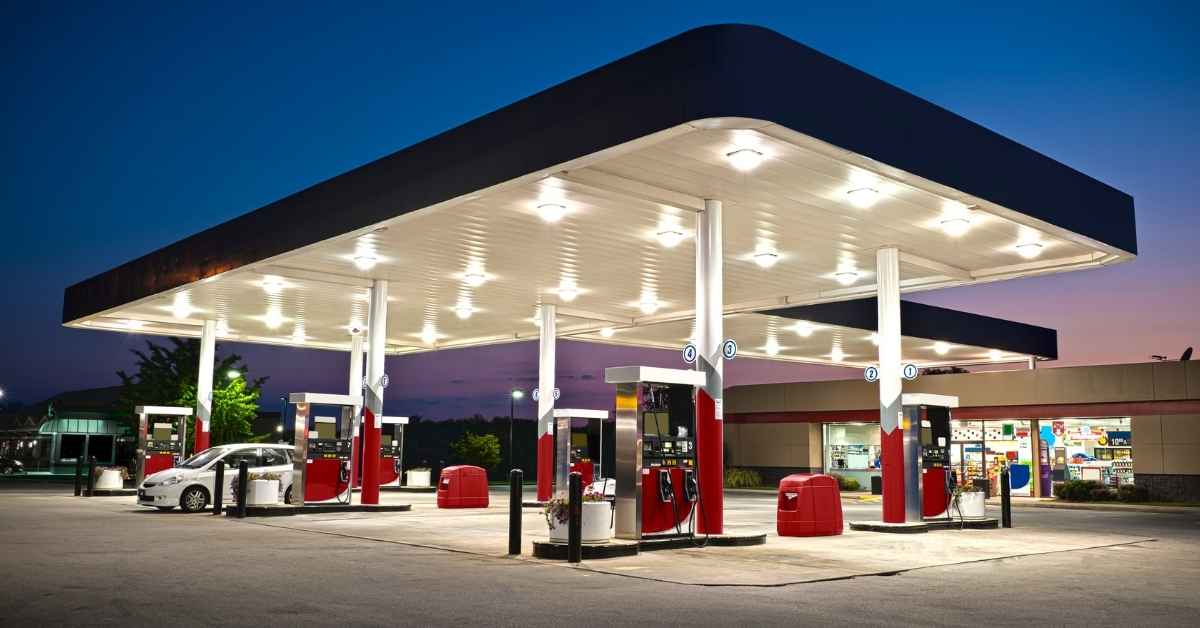
The European Union imported 273 billion cubic meters of gas in 2024, marking a significant shift in energy supply as the US has become Europe’s second-largest gas supplier after Norway. Meanwhile, Russian gas imports have plummeted to just 12.9 percent of total EU gas imports, down from 50 percent in 2019, as Europe continues to reduce its dependence on Russian energy following the invasion of Ukraine.
Norway Replaces Russia as Europe’s Primary Gas Supplier
The landscape of European gas imports has transformed dramatically over recent years. Norway now supplies 31 percent of the EU’s gas, overtaking Russia as the continent’s primary source. The shift reflects Europe’s deliberate strategy to reduce dependence on Russian energy following the outbreak of war in Ukraine.
In 2019, Russia supplied half of the EU’s imported gas while Norway accounted for just a quarter. Six years later, the situation has reversed completely. Russian gas now represents only 12.9 percent of EU imports, according to data from the Belgian think tank Bruegel.
Arne Lohmann Rasmussen, chief analyst at Global Risk Management, notes that Norway provides a stable and reliable supply through direct pipeline connections to the European gas network. This infrastructure advantage has made Norway an indispensable partner for Europe’s energy security.
US Emerges as Major Player in European Gas Market
The United States has rapidly expanded its role in supplying European gas needs. In 2019, the US delivered just 2.8 billion cubic meters of gas to the EU. By 2024, that figure had surged to 21.6 billion cubic meters, making America the second-largest supplier with 27 percent of total EU gas imports.
This dramatic increase came through liquefied natural gas (LNG) shipments transported by large tanker vessels across the Atlantic. American gas companies, driven by profit opportunities in the European market, have invested heavily in production capacity and export facilities.
Despite concerns about political unpredictability, Rasmussen considers US gas supplies relatively stable because private companies operate the production facilities and have strong economic incentives to maintain deliveries. However, he acknowledges growing concerns that the US could potentially use gas exports as an economic weapon against Europe, something he would have considered unthinkable just a year ago.
The US continues to expand its gas production capacity and upgrade export facilities. This expansion suggests American gas supplies to Europe could increase further in coming years, potentially leading to lower global gas prices as supply increases.
Denmark Achieves Gas Self-Sufficiency
Denmark has reached an important milestone by becoming self-sufficient in gas production. The country now produces more gas than it consumes, allowing it to export surplus supplies to European neighbors.
This achievement resulted from several factors. Denmark leads in biogas production, converting agricultural manure into usable gas that accounts for approximately 40 percent of domestic consumption. Additionally, the Tyra II gas field in the North Sea resumed production in 2024 after extensive upgrades. The field can produce up to 2.8 billion cubic meters of gas annually, equivalent to roughly one percent of the EU’s total annual gas consumption.
At the same time, Denmark has reduced its overall gas consumption. The combination of increased production and decreased demand has transformed the country from gas importer to exporter. Surplus Danish gas now flows southward through pipelines to European countries that cannot produce their own supplies.
European Gas Consumption Declines Significantly
European Union countries have substantially reduced their gas consumption in recent years. Total gas imports to Europe fell from 335 billion cubic meters in 2021 to 273 billion cubic meters in 2024, according to EU Commission data.
This reduction stems from multiple factors. European industries, particularly energy-intensive manufacturers, have cut gas use partly due to economic challenges facing the sector. Additionally, Europe has made progress transitioning away from gas toward electricity and district heating systems.
Nevertheless, Rasmussen emphasizes that completely eliminating gas will take considerable time. In Denmark alone, several hundred thousand households still rely on gas for heating. The transition away from gas heating remains a lengthy process throughout Europe.
Russia’s Diminishing Role in European Energy
Russian gas continues to flow to Europe but at dramatically reduced levels. The EU has implemented policies to further restrict these imports. Starting January 1, 2027, purchasing liquefied Russian gas delivered by ships will be completely prohibited. From September 30, 2027, the EU will ban imports of Russian gas via pipelines.
These measures will effectively end Russia’s role as a significant European gas supplier. The country that once provided half of Europe’s gas imports will be shut out of the market entirely within the next few years.
Rasmussen views this development positively given Europe’s ongoing conflict with Russia over Ukraine. Reducing dependence on Russian energy enhances European energy security and limits Russia’s economic leverage over the continent.
Future Supply Diversification and Market Outlook
Looking ahead, Europe faces both opportunities and challenges in securing stable gas supplies. While US production capacity continues expanding, potential concerns exist about supply reliability and political considerations affecting exports.
If American supplies become unreliable, alternative LNG sources exist in countries like Algeria, Qatar, and Canada. However, these alternatives would likely come at higher prices than current arrangements.
The overall trajectory shows Europe successfully diversifying its gas supply away from Russian dependence. Norway’s pipeline gas, combined with growing LNG imports from the United States and other suppliers, provides a more balanced energy mix. As European countries continue investing in renewable energy and reducing overall gas consumption, the continent moves gradually toward greater energy independence.
For now, Europe remains deeply dependent on imported gas. Yet the transformation from Russian dominance to a diversified supplier base represents significant progress in energy security. The challenge ahead involves managing this transition while maintaining affordable energy prices and continuing the shift toward renewable sources.
Sources and References
The Danish Dream: Denmark Faces Worst Ocean Oxygen Crisis in Decades
The Danish Dream: Best Energy Providers in Denmark for Foreigners
DR: EU importerer 273.000.000.000 kubikmeter gas på få år er USA blevet storleverandør