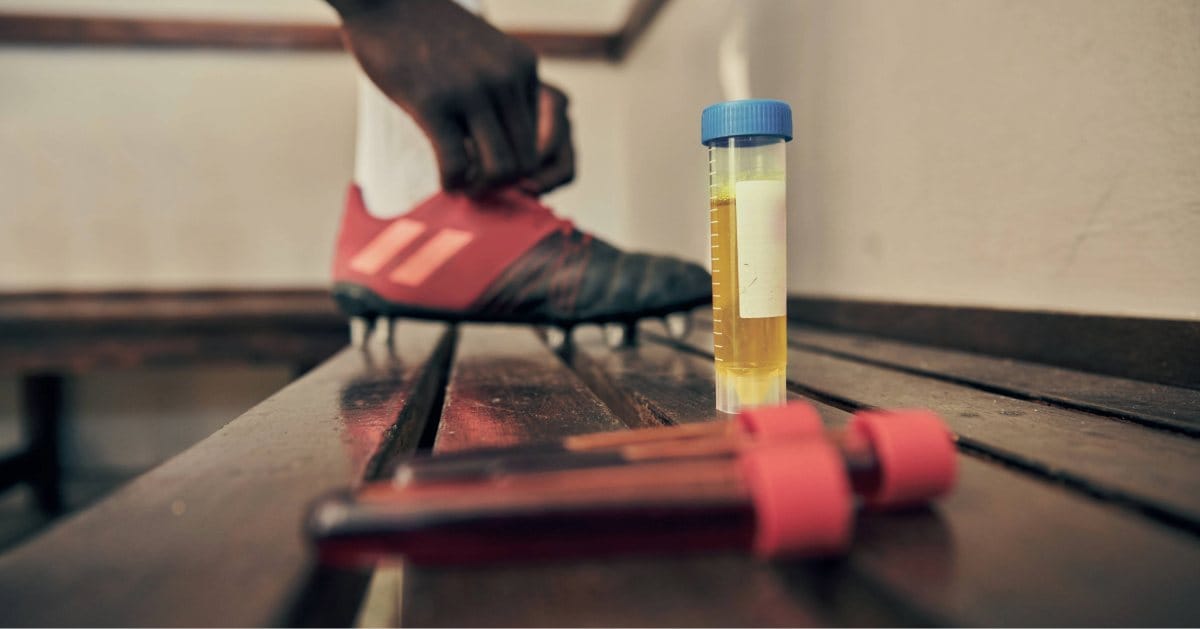
A new survey reveals that nearly half of elite Nordic winter sports athletes have not been tested for doping outside of competition in the past year, raising concerns among competitors ahead of the Winter Olympics. While athletes express alarm over the low testing rates, Anti Doping Denmark maintains its current approach is adequate given limited resources. 


Major Gap in Out-of-Competition Testing
A collaborative investigation by Finnish broadcaster Yle, Norway’s NRK, Sweden’s SVT, and DR has uncovered a significant gap in doping controls among Nordic winter sports athletes. The survey, which reached out to all national team members across Winter Olympic disciplines (excluding male ice hockey players), found that 49.2 percent of respondents had not been tested outside of competition between September 2024 and September 2025. The survey was sent to 413 athletes, with 45 percent responding. The timing is particularly concerning as the Winter Olympics in Milan-Cortina approaches in February 2025.Danish Athlete Voices Concerns
Danish speed skater Philip Due Schmidt expressed worry about the findings. He noted that during his senior career, he could potentially have gotten away with illegal doping if he had wanted to cheat. Despite being a national team athlete, Due Schmidt himself was not tested outside of competition during the survey period, though he was tested once during competition. The athlete emphasized his concern about the low testing rates with the Olympics approaching. He acknowledged that while he believes most competitors are clean, it would be naive to assume everyone is.Nordic Stars Sound the Alarm
Multiple prominent Nordic winter sports athletes echoed these concerns. Swedish cross-country skiing star Jonna Sundling expressed shock at the findings. Her compatriot Sebastian Samuelsson, one of Sweden’s top biathletes, called the situation inadequate and advocated for increased testing. In Norway, cross-country skier Tiril Udnes Weng described the numbers as surprisingly high and insufficient. She reasoned that athletes attempting to use prohibited substances would likely avoid doing so during competitions where testing is more common, making out-of-competition testing crucial. Norwegian alpine skier Thea Stjernesund agreed, calling the percentage too high. She stressed the importance of frequent testing, especially outside competition periods, to maintain fairness in sport and ensure athletes feel properly monitored.Anti Doping Denmark Defends Current Approach
Anti Doping Denmark’s scientific senior consultant Jakob Mørkeberg offered a different perspective. He expressed neither surprise nor concern about the survey results, explaining that Nordic anti-doping agencies simply lack resources to test all athletes regularly. According to Mørkeberg, ADD conducts approximately 1,500 tests annually but oversees around 3,500 athletes in the national elite category across all sports. This reality requires prioritization based on risk assessment of different sports. In winter sports specifically, ADD identifies cross-country skiing and biathlon as high-risk disciplines, while curling represents the opposite end of the spectrum. Denmark has relatively few winter sports athletes in high-risk categories, placing winter sports lower on ADD’s priority list.Prioritization Based on Risk Assessment
ADD focuses most of its testing resources on top athletes in sports like cycling, triathlon, and swimming. Athletes in priority testing groups must provide whereabouts information and face at least three tests annually. Mørkeberg defended this strategic approach, arguing that the overall numbers don’t indicate a dangerous situation. He clarified that if Norway’s best biathletes weren’t being tested, that would be problematic. However, a Danish curling team member not being tested during this period doesn’t concern him given the sport’s lower risk profile and resource constraints.International Expert Weighs In
Dick Pound, who served as president of the World Anti-Doping Agency from 1999 to 2007, generally supports the targeted testing approach. As one of the world’s leading doping experts, he explained that limited budgets naturally cap the number of tests agencies can conduct. For out-of-competition testing to be effective, Pound emphasized the need for strategic targeting. This typically involves focusing on selected groups of top athletes where the risk is highest. Testing an athlete ranked 300th in their sport, he argued, wastes both time and money.Resource Limitations Drive Strategy
The situation reflects a broader reality facing anti-doping agencies across Scandinavia and beyond. With finite resources, these organizations must balance comprehensive monitoring with practical constraints. The approach mirrors practices in Norway, Sweden, and Finland, where similar prioritization systems exist. Meanwhile, the Denmark’s Home Guard has seen increased volunteer interest, demonstrating growing civic engagement in other areas of Danish society. As the Winter Olympics approach, the debate over testing frequency continues. Athletes push for more comprehensive monitoring to ensure fair competition, while anti-doping agencies maintain their risk-based strategies remain appropriate given current resources and priorities.Sources and References
The Danish Dream: Denmark’s Home Guard Sees 35% Volunteer Surge The Danish Dream: Best Gyms in Denmark for Foreigners DR: Nordiske atleter slår alarm: Halvdelen er ikke blevet dopingtestet uden for konkurrence i et år