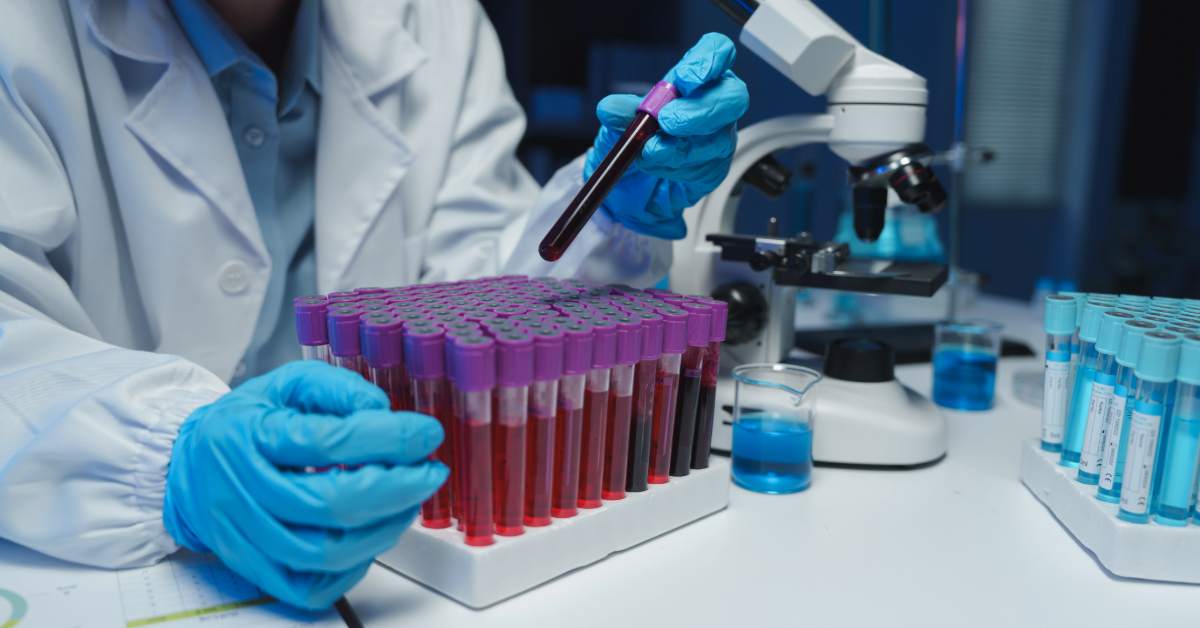
Hospitals in Central Denmark are changing how they handle blood tests, cutting 500,000 unnecessary tests since summer 2024 to save money and improve patient care.
Half a Million Blood Tests Cut in Central Denmark
The regional hospital unit covering Viborg, Skive, and Silkeborg has sharply reduced the number of blood tests it performs. Since mid-2024, Hospitalsenhed Midt has eliminated around half a million unnecessary tests. The change marks a shift in how Danish hospitals approach routine testing in the public healthcare system.
Doctors say too many tests had become standard practice even when patients did not need them. The new policy aims to stop that habit and focus on value-based testing instead of routine sampling.

Normal Fluctuations and Overdiagnosis
Every twentieth blood test shows an irregular result without any real medical reason. Such natural variations can trigger unnecessary concern and follow-up discussions among specialists. In many cases, the patient is completely healthy.
Before, these deviations often led doctors to order new tests or consult each other about results that meant nothing serious. This created both extra work and wasted use of public funds. The change is expected to free up time for more meaningful medical tasks.
Interestingly, the new approach underlines a broader idea in Danish medicine: fewer but better tests can raise the level of care. Unnecessary testing not only costs money but can also cause psychological stress for patients who worry over harmless numbers.
Better Quality Through Fewer Tests
Hospital leaders emphasize that reducing the number of tests is not about limiting access to them. Instead, it is about timing and choice. The goal is to take the right test at the right moment.
According to the head of Blood Tests and Biochemistry, this method actually increases quality. It reduces the physical and emotional strain on patients and avoids needless diagnostic processes that might not help them. In other words, fewer tests do not mean poorer care, but smarter care.
To make the change work, Hospitalsenhed Midt has built a digital tool that allows departments to track their use of blood analyses. The system helps identify overuse patterns and gives doctors data to guide decision-making. That digital model could eventually be adopted by other hospitals across the country.
Aligning Cost and Care in Danish Healthcare
From a budget point of view, saving 500,000 tests represents a significant cut in spending. Each unnecessary test costs both time and money, not to mention the extra consultations they can cause. In the context of the Danish healthcare system, which is funded by taxpayers, such savings matter.
By reducing test overuse, hospitals hope to redirect funds toward treatments and services that make a bigger difference for patients. For example, investments in digital systems, staff education, and patient-centered treatment models could be strengthened.
Naturally, this effort also highlights a practical aspect of how Denmark manages public healthcare resources—through data, cooperation, and careful evaluation. The initiative builds on the country’s larger focus on evidence-based medicine and efficient use of medical testing.

Future Implications for Danish Hospitals
Because of that, many experts expect other regions to follow. With the growing need for effective healthcare management in Denmark, the lesson seems clear: fewer unnecessary procedures lead to better outcomes.
The experience in Viborg, Skive, and Silkeborg could become a national blueprint for smarter testing routines. Saving half a million blood samples is not just about numbers—it is about optimizing the way hospitals use medical data to support real health improvements.
As hospitals continue modernizing, measures like this could gradually reshape how medical decisions are made across the country, reinforcing a more sustainable and patient-friendly healthcare system.
Sources and References
The Danish Dream: Danish Healthcare Explained for Tourists & Expats
The Danish Dream: Best Private Hospitals in Denmark for Foreigners
DR: Regionshospital har sparet en halv million blodprøver væk