Over 2,800 Danes have received public fertility treatment for a second child in the first year since the new policy took effect, easing financial pressure on many families but increasing wait times across the country’s fertility clinics. 


One Year of Public Fertility Support
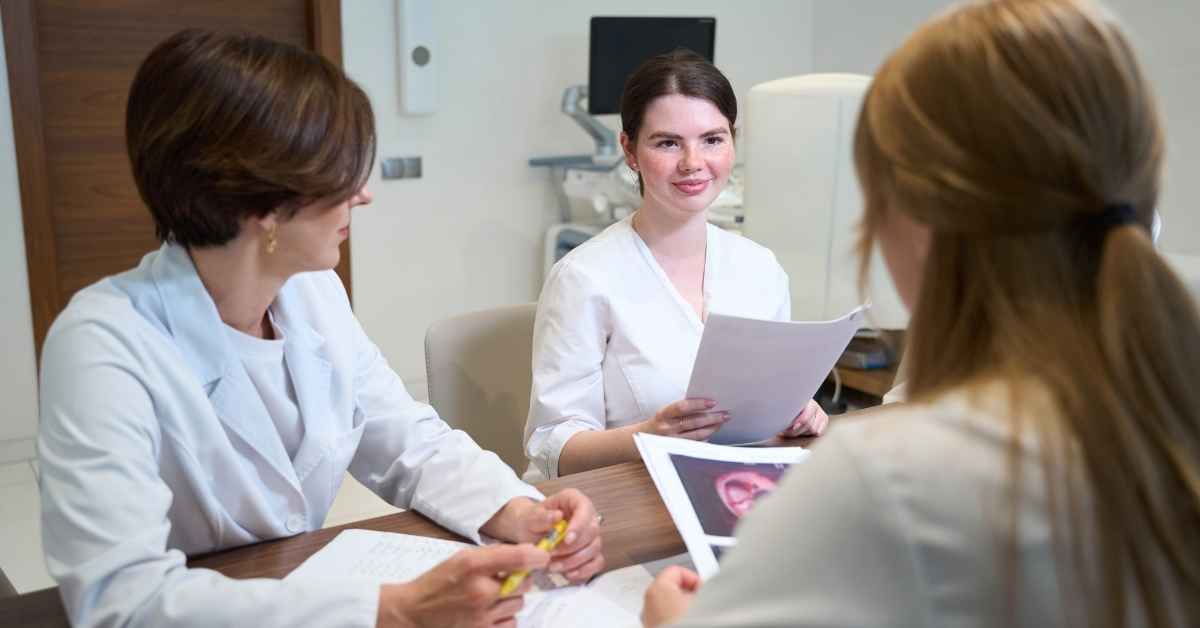
Since December 2024, Denmark has offered public fertility treatment for couples and single women hoping to have a second child. The initiative, backed by national health authorities, has quickly become a lifeline for thousands. According to figures from Danske Regioner, about 2,800 people have already been referred for second-child fertility care under the public system. For many, the program has been life-changing. One of them is 29-year-old Mille Christensen from Hvidovre. After losing both fallopian tubes due to a complicated ectopic pregnancy, she could not conceive naturally. Like many others, she turned to fertility treatment through both private and public options.Private Treatment Came First
Before the public offer became available, Mille and her partner spent around 51,000 kroner on two private treatment attempts. None led to pregnancy. The steep cost of medication and procedures left little room for other household expenses. Because of that, when the public option opened, it provided crucial relief. In Denmark, fertility care is part of the wider Danish healthcare system, which allows citizens and residents access to comprehensive medical services. Under the new public fertility scheme, patients still pay for medications but not for the in-vitro treatments themselves. The financial flexibility has helped many families pursue both family growth and other personal goals like home renovations or education. By late 2025, after several embryo transfers through the public system, Mille and her partner finally conceived again and are expecting a baby this summer.Public Clinics Under Pressure
Meanwhile, public fertility clinics across the five Danish regions report growing demand. At the Aalborg University Hospital fertility department, for instance, staff have extended working hours to meet the surge in patients. Previously closed between Christmas and New Year, the clinic now stays open during the holidays to keep up with treatment schedules. Because of that increase, wait times vary by region. As of December 2025, Region Nordjylland has seen waits rise to 14 weeks, while Region Midtjylland maintains a significantly shorter two to three weeks. In Region Sjælland, waiting periods initially spiked but have since returned to around 14 weeks. Other regions, including Southern Denmark and the Capital Region, report shorter waiting times of 8 and 9 weeks respectively.Staff Shortages and Adaptation
Clinic directors cite a shortage of physicians in northern Denmark as one main reason for extended waiting lists. The system is adapting, however. Some hospitals have trained nurses and laboratory specialists to take over certain medical tasks. Others have hired more junior doctors to ease the workload. Interestingly, these changes have pushed clinic staff to evolve quickly. What was once a team of 21 in Aalborg has grown to 30, many of them still in training. The sense of shared purpose has helped sustain morale despite the intensified pace.A Boost to Denmark’s Birth Rate
Without a doubt, the renewed focus on fertility support has already shown results. Families who once relied solely on private clinics—often at great financial sacrifice—are now returning to public services. Many of the parents being treated today had their first child through public fertility care five or six years ago. Now they are coming back for another round. As one clinic manager explained, there are now children being born who likely would not have been without this public support system. For a small country like Denmark, which closely monitors its demographic trends, such outcomes underline both the social and medical success of the new initiative.Sources and References
The Danish Dream: Danish Healthcare Explained for Tourists & Expats The Danish Dream: Best Private Hospitals in Denmark for Foreigners DR: Et år med offentlig fertilitetshjælp til andet barn: det er uundværligt for mig