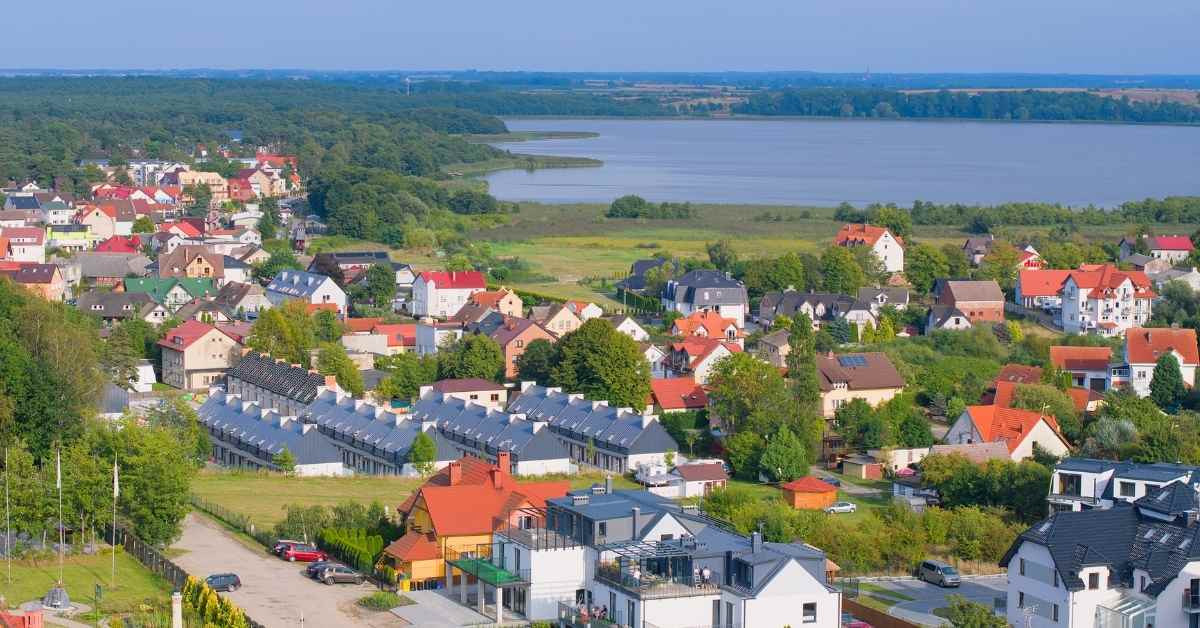
In the small Danish villages of Faster and Astrup, residents are testing a new housing model where older locals move into new rentals, freeing up family homes for young newcomers to revive the community and save the local school.
New Life for Rural Communities
In western Denmark, the rural area of Faster-Astrup between Skjern and Videbæk is trying an unusual solution to a common problem: how to keep small towns alive. The answer, locals hope, lies in something they call housing rotation.
The idea is simple. Older residents move out of their large single-family houses into smaller rental apartments built nearby. This makes room for new families who want to settle down, bringing new children to the local nursery and school. Because of that, both housing and the community get a fresh start.

For example, one young family bought a typical 1970s home from an elderly woman who moved into one of the new rentals in the same town. The new owners renovated the property and quickly became part of the community. It is exactly the kind of exchange locals hope will keep the village school open and the town vibrant.
Private Investors Step In
Surprisingly, much of the effort is not driven by the municipality but by private investors who see both social and financial potential. So far, they have built four rental homes on the old grocery store lot and three more where the town hotel once stood. More are already planned.
At the heart of the initiative is a local group called Boligfællesskabet Kærnen, led by community advocate Jan Vestergaard. The organization works like a private limited company and coordinates funding, planning, and partnerships with building companies.
Plans are underway for five to ten new public rental homes managed by Ringkøbing-Skjern Boligselskab. At the same time, the construction firm Stokholm H.U.S. intends to build eight private rental units. However, an additional four million kroner must be raised to complete the next phase.
Given current housing price trends in Denmark, investors consider the project a long-term but promising way to make a modest return while supporting local development.
Keeping the Elderly Nearby
While the main goal is to attract young families, the elderly remain an important part of the plan. Instead of relocating far away, they move into accessible apartments near friends, family, and familiar surroundings. This keeps volunteer programs, clubs, and social life thriving.
Sometimes, villages lose that sense of connection when older residents leave. In Faster-Astrup, they stay connected through community halls and group activities, maintaining social bonds and continuity. Younger families, meanwhile, contribute energy and new ideas, which helps sustain local institutions like the town’s daycare and school.

Without a doubt, this model offers mutual benefits. Seniors gain manageable housing without losing their roots, while young families access affordable homes in areas where prices are still within reach. The project also signals a broader conversation about revitalizing rural Denmark and could influence future development across similar regions.
A Growing Trend Across Denmark
Although the Faster-Astrup initiative is still relatively small, it reflects a nationwide debate about how best to support smaller towns facing population decline. Demographic shifts, combined with aging populations, create both challenges and opportunities for creative housing solutions.
In fact, initiatives like this align with national discussions about sustainable village development. Many experts see potential if public housing organizations and private investors can jointly push forward projects that bring stability to rural districts. Looking ahead, housing rotation could become an important part of Denmark’s long-term countryside strategy.
Sources and References
The Danish Dream: Danish House Prices Expected to Rise in 2025
The Danish Dream: Buying Property in Denmark for Foreigners
DR: Sådan vil de redde landsbyskolen: Her flytter de gamle ud, så de unge kan flytte ind