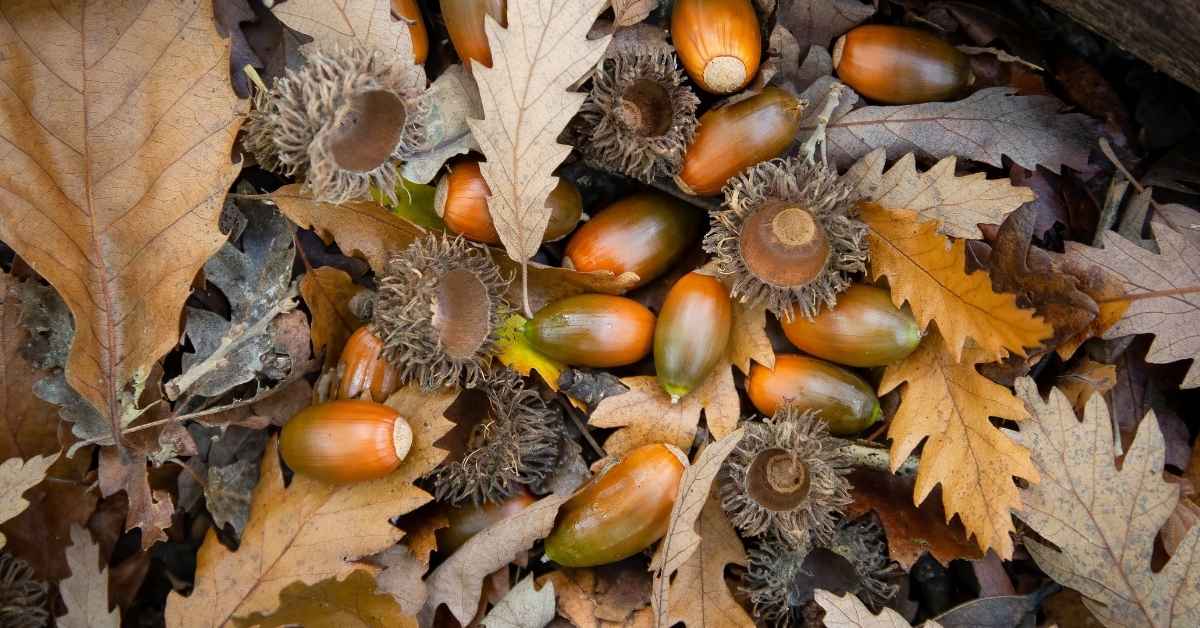
This fall, Denmark’s forests overflow with acorns and beech nuts, creating a natural feast for wildlife. The phenomenon, known as a “mast year,” benefits a wide range of animals but comes at a cost for the trees themselves.
Forest Floors Overflow with Acorns and Beechnuts
In Denmark, this year’s autumn is more than just colorful leaves and cooler temperatures. The forest floors are laden with an exceptionally high quantity of acorns and beech nuts, forming thick carpets that are visible across the country. The heavy fall of seeds, referred to as a “mast year,” or “oldenår” in Danish, is an event where trees like oaks and beeches simultaneously produce unusually large volumes of fruit.
In certain spots, the volume is so high that walking can feel precarious, almost like skating on marbles. This abundance is not an annual occurrence but rather a periodic reproductive strategy of certain tree species. According to Danish forest authorities, approximately five to seven years can pass between such mast years.

Abundant Food Boosts Wildlife Populations
This sudden surplus of nuts serves as an enormous food reservoir for various forest-dwelling animals. Deer, mice, birds such as jays, and even carnivores like foxes benefit from the calorie-rich bounty. The nutritional content of these seeds helps build fat reserves before winter, improving the animals’ chances of survival and increasing their reproductive success in the coming spring.
Deer, in particular, make full use of this food spike. By consuming large amounts of nuts in the autumn, they are more likely to have stronger fawns and sustained milk production in the spring. This raises deer population densities, especially in areas rich with beechnuts and acorns.
Statistical data from Denmark’s Nature Agency shows mast years can increase small rodent populations by up to 300% in the following year. Similarly, avian predators like hawks and owls have been observed to lay larger clutches of eggs when prey is abundant during or after mast years.

Predators and Ecosystems Respond
What begins with trees affects the entire forest web. The increase in rodents, birds, and other small animals leads to a corresponding rise in predator populations. Foxes, martens, and birds of prey find it easier to locate food, leading to improved survival rates and breeding success.
Additionally, the ample food supply alters behavioral patterns across species. Many animals become more sedentary, eliminating the need to roam in search of food. This decrease in movement benefits animals by reducing exposure to predators and environmental hazards. It also means that fewer animals venture into human-inhabited areas, potentially reducing animal-car collisions and conflict with domestic pets.

The Hidden Cost for Oak and Beech Trees
Despite the visible benefits for wildlife, producing such an enormous volume of seeds strains the trees themselves. Oaks and beeches allocate significant energy resources to seed production, which reduces their capacity for other growth processes.
Following a mast year, many trees exhibit signs of fatigue: fewer leaves, reduced flowering, and slower growth rates. This self-inflicted stress makes them more vulnerable to adverse conditions the following year, such as insects, fungal infections, or drought. In extreme cases, this energy deficit can even reduce the tree’s lifespan.
Tree ecologists estimate that a mature beech tree can produce up to 100,000 beechnuts during a mast year, requiring a substantial amount of stored nutrients. This reproductive strategy is not sustainable yearly, hence the built-in rest periods between mast years.
Nature’s Push and Pull
Mast years illustrate the delicate balance and interconnectivity of natural ecosystems. While animals celebrate the feast, trees brace for leaner times. Yet, this cycle supports biodiversity and renews life in the forest.
Danes witnessing the current mast year are experiencing a rare event that shapes their environment in ways both visible and hidden. These years create ripple effects that last far beyond autumn, shaping wildlife populations and forest health for seasons to come.