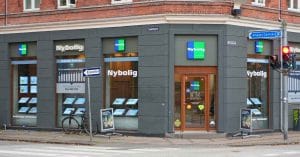
While a discount store in Hovedgård quietly drops pine nuts and hides Nutella behind the counter, police data show Denmark recorded 31,682 shoplifting offences in 2024, yet this rate remains less than half Sweden’s despite near-identical retail cultures.
The manager at 365discount on Højgårdsvej has had enough. She is pulling pine nuts from her shelves entirely and locking chocolate hazelnut spread in a back room. As reported by TV2, theft has become so persistent that even everyday pantry staples now require staff to fetch them. She is not imagining the problem. According to Statistics Denmark StatBank data, shoplifting rose to roughly 5.4 incidents per 1,000 inhabitants in 2024, up from approximately 4.9 per 1,000 in 2023.
But here is the surprise buried in the numbers. According to Eurostat police-recorded offence data, Denmark’s shoplifting rate sits well below Sweden’s approximately 11.6 per 1,000 and Germany’s approximately 9.1 per 1,000. The two Scandinavian neighbours share broadly similar welfare systems and retail formats. Yet Swedish supermarkets record more than double the police-reported theft that Denmark does, based on those Eurostat figures.
What changed is who steals and what they take
Dansk Erhverv warned members in 2023 that retail now faces a marked rise in organised shoplifting, where the same groups systematically target products with high kilo prices and easy resale. Discount chocolate, baby formula, razor blades, energy drinks and premium nuts fit that profile. The Hovedgård store is simply the latest to respond by restricting access.

Over the past five years, Danish chains have quietly moved from treating theft as petty, individual crime to framing parts of it as coordinated economic activity. Coop’s 2023/24 annual report notes shrinkage at 1.7 to 2.0 percent of turnover and describes investments in increased surveillance, cameras and technological solutions to reduce losses. According to Salling Group’s 2023 annual report, shrink adds an estimated 300 to 400 kroner per year to every household’s grocery bill if spread across all customers.
Everyday items now live behind locked doors
Walk into many Danish discount stores today and you will encounter acrylic boxes around razors, ask-at-checkout signs for meat, and staff-only zones for branded spreads. A 2023 survey from Dansk Erhverv found 71 percent of retail businesses experienced shoplifting at least monthly, and 48 percent said theft had increased over three years. According to a security industry association survey, chains installed an estimated 35 to 40 percent more CCTV cameras between 2019 and 2024.
For internationals used to open-access shopping elsewhere in Europe, Denmark’s locked-down layouts can feel jarring. Consumer advocates note that locking everyday food items can make stores feel unwelcoming, particularly for shoppers who do not read Danish signage easily. Some customers have also reported feeling watched more closely based on appearance, according to consumer and civil society commentary cited by retail researchers.

Video surveillance in shops is regulated under Datatilsynet guidance and EU and national data protection rules. According to Datatilsynet, stores must display clear signage marking surveillance areas and may only retain footage for as long as is necessary and proportionate for the stated security purpose. Datatilsynet has also warned that monitoring must respect privacy, and civil liberties groups have raised concerns about surveillance becoming routine in everyday spaces.
Employees face new pressures too
Supermarket staff, including part-time workers and recent arrivals, now receive training on how to handle suspected theft. Employers instruct workers to observe, document and call security or police rather than physically confront suspects. Unions representing retail employees, including HK Handel, support clearer procedures, arguing that young or international staff should not be placed alone in difficult situations.

According to Rigspolitiet’s Tryg Butik guidance, stores are encouraged to report all theft, noting that only an estimated 30 to 40 percent of incidents reach police records. That under-reporting makes it harder to allocate resources and skews public understanding of the problem. The Hovedgård manager told TV2 she suspects other stores face similar pressures but stay silent, fearing bad publicity.
The cost lands on honest shoppers
According to Coop’s annual report, the chain tested locked shelving and revised layouts in selected stores, reporting a measurable drop in shrinkage but also acknowledging the changes worsened customer experience and increased workload for staff. The trade-off is stark. Protect high-value items and frustrate shoppers, or accept losses and raise prices across the board.
Denmark’s comparatively low shoplifting rate suggests social norms and staffing levels still provide some protection. But inflation and economic strain appear to be eroding those factors, as Statistics Denmark data and retail annual reports both indicate. Discount formats that once prided themselves on no-frills efficiency now look like semi-secured zones where pine nuts become contraband.

For anyone shopping or working in Danish supermarkets, the practical advice is straightforward. Read posted signs carefully and ask staff if unsure about restricted items. According to Borger.dk, foreign nationals have the same rights as Danish citizens during police contact, including the right to request an interpreter. Employees should ask employers for written procedures in a language they understand and clarify when to involve authorities.
The broader question is harder. Denmark markets itself as a high-trust, egalitarian society. But when everyday shopping requires locked cases, constant cameras and restricted shelves, that image faces pressure. The Hovedgård store dropping pine nuts is not an isolated quirk. It is a quiet signal of deeper social and economic anxiety reshaping how Danes and internationals alike navigate daily life.