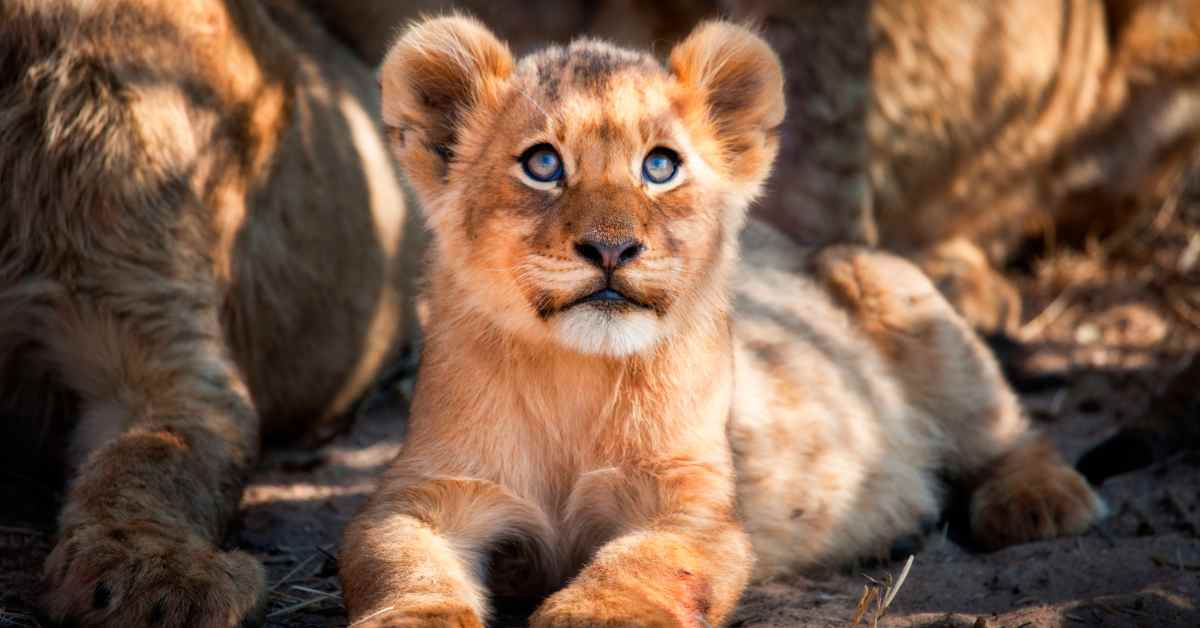
Baby boom at Copenhagen Zoo: Newborn tigers, pandas, monkeys, and even tortoises bring a summer of life and conservation to Denmark’s capital.
Summer Brings a Surge of New Life to Copenhagen Zoo
Copenhagen Zoo in Frederiksberg has experienced a remarkable wave of animal births this summer, with more than 20 new offspring born in just five weeks. From exotic tigers to rare tortoises, the zoo is brimming with animal babies that draw crowds and support critical conservation programs. The summer has been exciting for both the zoo and the visitors.
Notable additions include three critically endangered Amur tiger cubs and a red panda baby, both currently staying close to their mothers before their public debuts later in the season. As the summer progresses, young visitors and families on holiday can already catch glimpses of other baby animals born in early to mid-July. A lot of guests are already stopping by to see who’s out and about.
Meet the New Arrivals
Among the species now thriving with newborns are the emperor tamarins—tiny monkeys with distinctive white mustaches—whose two infants can be seen clinging to their parents inside the Tropezoo exhibit. Near the enclosure of the red panda, guests can also observe three young pygmy goats, a popular attraction in the zoo’s petting section known as Børnezoo.
Elsewhere in the zoo, one baby penguin is exploring its habitat, while earlier-born impalas, sable antelopes, plains zebras, and chimpanzees are now confidently circulating among their herds and groups in public view. These additions offer guests a chance to observe the behaviors of young animals at various stages of development.
Conservation at the Core
While newborn animals are always exciting for zoo-goers, Copenhagen Zoo emphasizes the deeper ecological value of these births. Many of the species at the zoo, including the Amur tiger and red panda, are listed as endangered or critically endangered in the wild, often due to habitat destruction and illegal wildlife trafficking.
One of the highlights of this season is the birth of four radiated tortoises, a highly endangered species native to Madagascar. Recognizable by their radiant, star-patterned shells, these tortoises are often targeted by the illegal pet trade and face shrinking habitats. The successful hatching of these offspring provides a meaningful contribution to international conservation efforts.
Copenhagen Zoo is an active member of the European Association of Zoos and Aquaria (EAZA) and participates in the European Endangered Species Program (EEP), which coordinates breeding programs across numerous institutions to maintain healthy and genetically diverse populations. The zoo currently engages in conservation projects spanning at least 9 different global locations, including Denmark, Greenland, Morocco, Brazil, South Africa, and Southeast Asia.
Supporting Future Generations
Beyond hatching and nursing new life, Copenhagen Zoo is committed to long-term biodiversity preservation. The births this summer support the zoo’s scientific mission to replicate and study natural behavior in controlled environments, ultimately preparing animals for reintroduction where possible or supporting genetic variation in endangered populations.
Zoo animals are not bred solely for public display. Each birth is carefully planned, frequently as part of strategic partnerships with other zoos to maintain global species preservation strategies. For instance, the three Amur tiger cubs born at Copenhagen Zoo contribute significantly to one of Europe’s most critical breeding lines for that species.
A Zoo with a Global Reach
Copenhagen Zoo extends its conservation work far beyond its Danish borders, investing in habitat restoration, anti-poaching initiatives, and species reintroduction programs globally. Its outreach efforts include active participation in countries as varied as Polynesia, China, and Tasmania.
Visitors to the zoo this summer not only enjoy seeing young animals explore their new world but also support a larger mission dedicated to wildlife protection and scientific research. With over 1.2 million annual visitors and more than a dozen international conservation partnerships, Copenhagen Zoo continues to serve as a front-line institution in the battle to protect Earth’s most vulnerable creatures.
Whether it’s watching goat kids frolic or waiting for the red panda cub to emerge in late August, guests this season are witnessing nature’s resilience in action—one baby animal at a time.