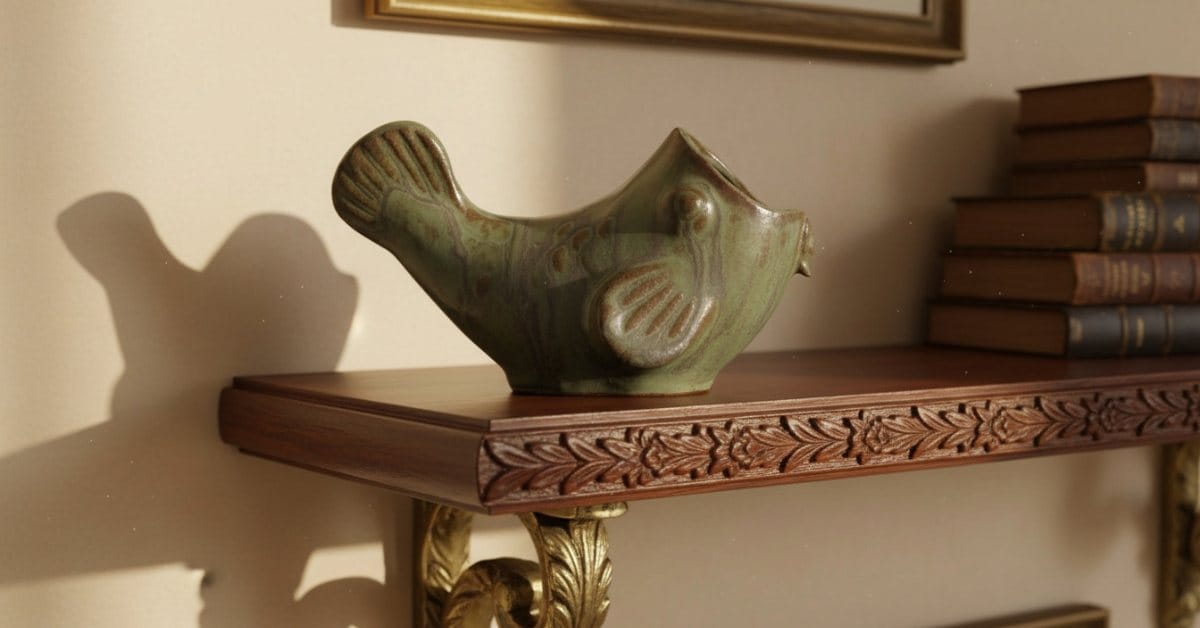
Not all design icons are furniture — some are quiet, sculptural storytellers. Arne Bang’s Ceramic Fish is one of those rare objects that blends artistry, nature, and Danish design philosophy into a single timeless form. Handcrafted in stoneware between the 1930s and 1950s, each fish carries organic textures, earthy glazes, and a serene presence that still captivates collectors and design lovers today.
Key Points
- The Ceramic Fish as a Danish Design Icon: Created by Arne Bang between the 1930s and 1950s, this ceramic fish exemplifies Danish craftsmanship, natural beauty, and post-war design ethos, making it a collectible icon.
- About Arne Bang’s Artistic Vision: Arne Bang was a master of blending sculpture with functional design, emphasizing natural forms and textures that imbue everyday objects with artistic and emotional depth.
- Materials and Design Details: Made from dense stoneware with earthy glazes, each fish features organic contours and textures that highlight its handmade, unique qualities, reflecting nature’s influence.
- Significance in Danish Culture and Interior Design: Though not furniture, the ceramic fish exemplifies Danish principles of harmony, minimalism, and natural materials, serving as a serene focal point in interiors.
- Collectibility and Buying Tips: Limited in production and handcrafted, original Arne Bang fish are highly sought after, with authenticity verified by hallmarks; they are available through reputable auction sites and galleries.
A Timeless Symbol of Danish Design Heritage
Within the golden tapestry of 20th-century Danish design, few pieces are as captivating and historically rich as The Iconic Ceramic Fish by Arne Bang. This sculptural, finely crafted object transcends the boundaries of decorative and functional art, becoming a quintessential representation of Denmark’s post-war design ethos. Known for its organic form, tactile surface, and serene, earthy tones, this piece is an embodiment of understated elegance and artisanal expertise. More than just a decorative item, the ceramic fish captures the spirit of a time when Danish design was gaining international acclaim for its focus on craftsmanship, simplicity, and natural materials.
Crafted sometime between the late 1930s and the 1950s, these ceramic fish sculptures by renowned Danish designer Arne Bang have become collectible icons. Produced in limited numbers—estimates suggest fewer than 500 original pieces exist—these creations are celebrated not only for their aesthetic qualities but also for their deep roots in Scandinavian cultural identity. Today, collectors and design enthusiasts from around the world seek these ceramic marvels not merely for their rarity but for what they represent: beauty in balance, nature in design, and tradition in form.

Understanding Arne Bang: The Master Behind the Vision
To appreciate the full significance of The Iconic Ceramic Fish, one must first understand the genius of Arne Bang (1901–1983), a Danish designer whose work straddled the worlds of sculpture, applied art, and functional design. Born in Frederiksberg, Denmark, Bang studied sculpture at the Royal Danish Academy of Fine Arts and would later work closely with renowned architect and designer Kaare Klint—often regarded as the father of modern Danish furniture design.
Throughout his prolific career, Arne Bang sought to bridge the gap between utilitarian object and artistic expression. His unique approach stemmed from a deep respect for natural form and texture. What set Bang apart was his ability to infuse everyday items with emotional depth, ensuring that each piece resonated with a quiet poetry. In the context of 20th-century Danish design, Bang’s work was revolutionary for its use of stoneware pottery techniques and embrace of organic motifs.
The ceramic fish is perhaps the most metaphorical and whimsical example of this ethos. In Bang’s hands, a simple fish became a study in tactile harmony and spiritual stillness. Its smoothly contoured body, deliberate asymmetry, and softly mottled glazing make it appear as though shaped by the elements themselves—earth, water, and time.
The Design and Materials: Nature Rendered in Ceramics
Crafted predominantly from stoneware—a dense, durable form of ceramic—the Ceramic Fish by Arne Bang is known for its surprising weight and distinctive surface texture. Measuring approximately 22-25 cm in length (though sizes can vary slightly depending on the model), the sculpture features a stylized yet recognizable fish form with echoing lines that suggest the scales and motion of aquatic life. This abstraction, rather than pure realism, is what makes the design so visually compelling.
Bang’s glazes are equally noteworthy, typically rendered in earthy hues such as deep moss green, ochre, or ash-grey. These subdued colorways reflect Denmark’s natural landscape and allow the form itself to take center stage. Known for experimenting with glaze texture, Bang often applied a subtle crackle finish or matte glaze to accentuate the handmade quality of the object.
One of the standout qualities of the piece is its tactile appeal. The smooth glazes tucked between ridges of rougher, unglazed ceramic create a visual and physical contrast that invites touch. Every fish is distinguished by slight variations—true to the handmade nature of 20th-century Danish stoneware—adding to the uniqueness of each piece.
Importance in Danish Design and Furniture Culture
Although technically not “furniture” in the traditional sense, the ceramic fish aligns deeply with Danish design principles. Much like Hans J. Wegner’s chairs or Børge Mogensen’s sofas, Arne Bang’s work prioritizes balance, function, and form. It exemplifies the Danish mid-century movement where even decorative objects were designed to contribute to the harmony of interior spaces.
In the minimalist interiors typical of Danish homes, such sculptural pieces served as focal points, offering a sense of nature and warmth. The ceramic fish was not merely ornamental; it was a contemplation of serenity, a conversation starter, or even a calming presence on a bookshelf or sideboard. Its organic contours and earthy palette made it especially suitable in settings shaped by wood, leather, wool, and other natural materials so prominent in Danish interiors.
In design history, Bang’s fish represents an overlap of function and art—qualities highly valued in Scandinavian design ideology. That’s why it continues to captivate both scholars of decorative arts and interior designers today.

Collectibility and Legacy
Beyond its design and craftsmanship, the ceramic fish stands as a collector’s gem. Due to the limited production runs and the care-intensive manual glazing process employed by Bang and his studio, original works are relatively rare. Only a handful come to auction each year, often fetching between 10,000–25,000 Danish kroner, depending on their condition and provenance.
It’s also significant that Arne Bang’s name has undergone a renaissance in the last two decades. With Danish design’s global resurgence, collectors and museums have turned their eyes once again to mid-century landmarks. Bang’s ceramic fish has featured in important publications and exhibitions on Scandinavian design, including showcases at Designmuseum Danmark and international fairs like the Stockholm Furniture & Light Fair.
The fact that these pieces remain relevant nearly a century after their initial crafting is a testament to their enduring appeal and the timeless principles of Danish design.
A Piece of Danish Soul
The Ceramic Fish by Arne Bang is more than just a decorative object; it is a tactile expression of Danish culture, history, and artistry. Whether displayed in a modern loft, a minimalist retreat, or a traditional Nordic cottage, it brings with it the quiet sophistication and depth of a bygone era. Through its natural materials, thoughtful craftsmanship, and historical roots, it embodies the enduring principles that make Danish design from Denmark revered the world over.
A Timeless Piece of Danish Design Culture
To understand why so many collectors and design connoisseurs seek out the Iconic Ceramic Fish by Arne Bang, one must consider its unique position within the canon of Danish design. This iconic object exemplifies the foundational values of Denmark’s design philosophy: harmony with nature, tactile beauty, functional artistry, and subdued elegance. In a country where design blends seamlessly into daily life, the ceramic fish was never intended to be glamorous or trendy—instead, it endures because it speaks to the soul of the Danish home.
The fish integrates effortlessly into modern interior environments, particularly those inspired by Scandinavian aesthetics. Its earthy tones and sculptural shape complement the natural materials commonly found in Danish interiors, such as oak furnishings, sheepskin rugs, woven textiles, and ceramic tiles. Whether placed on a minimalist sideboard, nestled among books on custom shelving, or added as a centerpiece on a rustic dining table, the ceramic fish brings a serene and grounded atmosphere to any room.
Moreover, in a contemporary context where sustainable and timeless items are increasingly prized, Arne Bang’s fish remains compelling. Its handcrafted beauty stands in stark contrast to mass-produced decor, offering authenticity, heritage, and enduring quality.

Reasons to Buy the Ceramic Fish by Arne Bang
1. Aesthetically Versatile
The ceramic fish’s neutral palette and graceful lines make it incredibly adaptable to various interior styles—from vintage Danish modern to contemporary minimalism. Whether you’re designing an urban apartment in Copenhagen or a coastal holiday home in Jutland, this piece integrates seamlessly, adding a unique, conversation-starting element to the space.
2. Rich in Historical and Cultural Value
Buying an original Arne Bang ceramic fish is akin to acquiring a fragment of Danish design history. Bang’s work represents a formative period in Denmark’s creative evolution—one where utility and artistry worked in symbiosis. With fewer than an estimated 500 pieces ever crafted, each fish carries both intrinsic and historic value, making it more than just a decor item—it’s an artifact.
3. An Investment in Timeless Craftsmanship
As vintage Scandinavian pieces become increasingly collectible, items like Arne Bang’s ceramic fish have witnessed an upward trend in market value. According to design auction houses like Bruun Rasmussen and Lauritz.com, some well-preserved examples have increased in price by up to 35% in the past decade. A ceramic fish purchased today is likely to appreciate over time—especially significant given the growing interest in original Danish ceramics.
4. A Reflection of Danish “Hygge” Lifestyle
In many ways, the ceramic fish also encapsulates the Danish way of living—centered on comfort, simplicity, and emotional warmth. Placing such an item in one’s home is not just about style—it’s a nod to the Danish concept of “hygge,” which translates into a feeling of cozy contentment through simple pleasures. It radiates calm, and its hand-touched form encourages mindfulness, slowing the pace of life in any environment.
Helpful Tips for Buyers
When seeking out the ceramic fish by Arne Bang, it’s important to verify authenticity and condition. Look for pieces bearing Bang’s hallmark on the base—typically his name or monogram delicately incised into the clay. Glaze quality, surface integrity, and color depth are also key indicators of provenance and value. Online retailers and auction platforms usually provide high-resolution images and condition reports, but it’s wise to ask for additional photographs or documentation if uncertain.
As collectors increasingly look beyond furniture to include lighting, ceramics, and decor pieces in the Danish design narrative, Bang’s ceramic fish offers a rare opportunity to own something deeply meaningful, ih distinctive, and beautiful.
Conclusion: The Enduring Allure of The Iconic Ceramic Fish by Arne Bang
The Iconic Ceramic Fish by Arne Bang encapsulates the essential qualities of Danish design: timeless elegance, commitment to craftsmanship, and a deep connection with nature. As part of Denmark’s rich design heritage, this piece demonstrates how art and function can coexist, offering simplicity and depth in equal measure. Its presence in today’s homes and collector’s spaces underscores a lasting appeal—a testament to Bang’s skill and vision as a designer who transcended generations with his work. Whether used as a decorative focal point or as a cherished read of cultural history, the ceramic fish remains a significant symbol of beauty and Danish tradition.
Summary
– **Iconic Design**: The Ceramic Fish by Arne Bang is a timeless object, embodying the principles of 20th-century Danish design—harmony, simplicity, and function.
– **Renowned Designer**: Arne Bang, a pioneering Danish designer, brought together sculpture and functional art, creating pieces that are deeply embedded in Danish cultural identity.
– **Handcrafted Excellence**: Crafted from stoneware with expertly applied glazes, each fish is unique in texture and color, making it a coveted collector’s item that doubles as a conversation starter in any interior space.
– **Cultural Significance**: This piece reflects the Danish “hygge” lifestyle, promoting comfort and mindfulness through its serene and organic form.
– **Investment and Collectibility**: With fewer than 500 in existence, the ceramic fish is not only a beautiful addition to the home but also a valuable investment, supported by its increasing desirability on the market.
– **Available at Select Venues**: Collectors can find these rare pieces through respected auction houses like Lauritz.com and Bruun Rasmussen, as well as platforms like 1stDibs.
FAQ: Frequently Asked Questions about The Iconic Ceramic Fish by Arne Bang
Q: What makes the Ceramic Fish by Arne Bang so unique?
A: Its uniqueness lies in its handcrafted nature, historical significance, and its embodiment of Danish design values, including simplicity, natural beauty, and functionality.
Q: How can I be sure I’m purchasing an authentic Arne Bang ceramic fish?
A: Look for Bang’s hallmark or monogram on the base, scrutinize the glaze quality, and purchase from reputable dealers or auction houses that provide provenance details.
Q: What are the typical dimensions of an original ceramic fish by Arne Bang?
A: The ceramic fish typically measures around 22-25 cm in length, but slight variations may occur due to its handmade nature.
Q: How does this piece fit into modern home decor?
A: With its organic form and earthy tones, the ceramic fish fits well into modern, Scandinavian-style interiors that prioritize natural materials and minimalist aesthetics.
Q: Are these pieces considered a good financial investment?
A: Yes, due to their rarity and the rising interest in mid-century Danish design, these ceramic fish pieces are increasingly sought after, thus appreciating in value.
Q: Can the ceramic fish be used outdoors?
A: While stoneware is durable, exposure to outdoor elements may damage the glaze over time. It is recommended to display these pieces indoors to preserve their condition.
Q: Are reproductions available if I can’t find an original?
A: While exact reproductions are rare, some designers may produce similar works inspired by Bang’s design principles. However, they lack the historical and collectible value of an original piece.
Q: How should I care for my Arne Bang ceramic fish?
A: Clean gently with a soft, dry cloth to preserve the glaze and natural finish. Avoid harsh cleaning agents or submerging the piece in water.
Q: Can I view Arne Bang’s works in person?
A: Yes, significant museums showcasing Danish design, such as Designmuseum Danmark, occasionally exhibit his work, offering deeper insights into his contributions to 20th-century design.