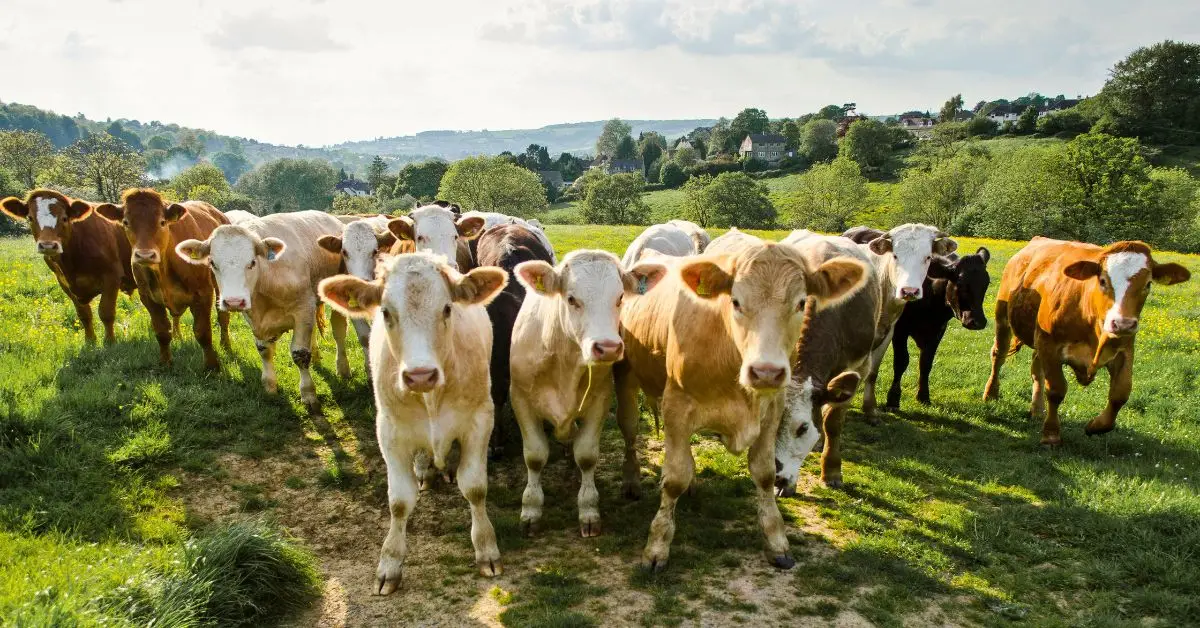
Despite a 17-year national eradication campaign, Denmark has not yet eliminated a dangerous and drug-resistant strain of Danish salmonella found in cattle. The disease poses serious risks to both human health and the agricultural economy.
A Lurking Threat in Danish Cattle
While most people associate salmonella with raw poultry and eggs, fewer are aware of ‘Salmonella Dublin’, a particularly aggressive, antibiotic-resistant strain of salmonella adapted to cattle. It has been present in Danish herds for decades and continues to pose a double threat: endangering both human health and livestock productivity.
Salmonella Dublin causes severe symptoms in cattle, including pneumonia, blood poisoning, abortions, and death. It is difficult to detect, as symptoms in herds can often remain hidden for long periods. For humans, especially the elderly, children, and people with weakened immune systems, the bacteria can lead to life-threatening bloodstream infections and even prove fatal. Studies show that up to 12% of infected individuals die from the disease.
Though human cases are rare in Denmark, with about 20–30 reported annually, the health risk is compounded by the pathogen’s resistance to standard antibiotic treatments. Transmission can occur not only through consumption of unpasteurized dairy products or undercooked beef, but also via direct contact with infected animals and contaminated farm environments.
Years of Danish Salmonella Efforts, Incomplete Results
In 2008, Denmark launched a national campaign to eradicate Danish Salmonella Dublin from its dairy and beef cattle populations. At the time, 20–25% of herds were affected. Although there has been significant progress—the prevalence has dropped to around 5%—complete eradication remains elusive.
This contrasts with countries like the United States, where the prevalence has increased and now stands at about 18%, and the United Kingdom, where it has soared to approximately 60% of cattle herds.
Denmark’s relatively low infection rate today is a testament to continuous monitoring and control measures, but experts warn that the current strategy may not be sufficient to eliminate the disease entirely.
Hidden Economic Costs og Danish salmonella
A recent study from the University of Copenhagen analyzed data from all Danish dairy farms between 2011 and 2021. The research highlights not only the health risks but also the significant economic toll the infection takes on cattle farms.
The study identified key financial burdens such as increased calf mortality, lower milk yields, higher spending on veterinary care, and greater medicine use. Even herds with low levels of infection are financially affected. A typical herd of 200 dairy cows with light infection can face added annual costs equivalent to about $7,200. For severely affected farms, these costs can rise to over $12,000 per year.
These findings suggest that infection control is not just a public health issue, but also a matter of economic sustainability for farmers.
Challenges in Detection and Policy
Current detection is based on measuring antibody levels in milk tanks. If the antibody count remains under a set threshold, the herd is classified as salmonella-free. The researchers argue that this method may be inadequate, as economic losses begin to accrue at infection levels lower than the current threshold.
They recommend rethinking this “threshold-based” approach and propose introducing more aggressive and incentivized eradication strategies. These could include state subsidies to support farm investments in infection control or variable milk pricing that penalizes long-term infected herds.
Call for Action
Experts emphasize that the Danish Salmonella Dublin should be treated as a growing global health threat, particularly in light of rising antibiotic resistance. As the economic and health implications become clearer, Denmark—and other countries—must reinforce their efforts to combat this pathogen.
Improved awareness among cattle producers, better diagnostic tools, and policy reforms are key to achieving future reductions in infection rates. Otherwise, both the human population and agriculture sector remain at risk of suffering the consequences of this resilient and dangerous bacteria.