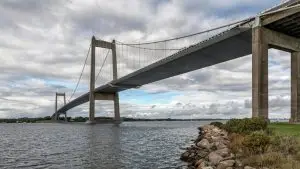
Damhusengen, a 30-hectare meadow on the western edge of Copenhagen, seamlessly blends nature and culture. Once farmland, it now serves as a vibrant public space offering walking, biking, and birdwatching opportunities. The area hosts seasonal festivals, art exhibitions, and community events, reflecting Denmark’s commitment to sustainable urban living.
Content
- Damhusengen: Copenhagen's Green Gem
- Visiting Damhusengen: A Nature Lover's Guide
- Conclusion
- Summary
- Frequently Asked Questions (FAQ)
- Is Damhusengen free to visit?
- What can you do at Damhusengen?
- When is the best time to visit Damhusengen?
- How can I get to Damhusengen?
- Are guided tours available at Damhusengen?
- Are pets allowed?
- Is Damhusengen handicap friendly?
- Where can I find Information about events at Damhusengen?
- Are there different rules to use when visiting Damhusengen?
Damhusengen: Copenhagen’s Green Gem
Damhusengen is a green public space just beyond Copenhagen’s bustling urban core and is equal parts ecological refuge, cultural destination. Spread over some 30 hectares, it is part of a larger green zone that includes the nearby Damhus Sø lake. This quiet grazing land comes under serious scrutiny, both for its ecological significance and its vital position in the cultural and communal life of the city.
Historical Evolution of Damhusengen
The region has long been one of the summits, a longtime coward as well as a beloved open-access public space. Once farmland, its rise as a wooded and grass meadow-recreational area makes it part of a wider Danish transition from agricultural civilizations to 21st-century urban plans, problematizing sustainable living and green space. In this new balance between form and function, public spaces become responsive to market and ecological needs, an adaptation echoed in Danish society.
In Copenhagen, a city devoted to environmental harmony perhaps more than any other, the story of Damhusengen’s reinvention is a story of wielding the pendulum of urban development as a means to forcing a counterweight of nature. Its evolution into a green public space is a testament to Denmark’s forward-thinking philosophy of urban design, which prizes harmony with nature and quality of life.
Ecological Importance
Environmentally speaking, Damhusengen is a biodiversity hotspot, a place that’s vital to the region’s ecological health. The meadow also acts as a living lung, filtering the air and serving as a natural stormwater management buffer. This is particularly critical in Copenhagen, which has an average annual rainfall of approximately seven hundred millimeters (about twenty-seven inches), so having proper systems to keep water out is vital.
Damhusengen is home to many plants and animals and serves as a natural refuge for wildlife. Birdwatchers can see many different birds that either live here or migrate through. The flora of the riparian zone provides critical habitat in the meadow, which is recognized as an excellent site for ecological research and programs in conservation and biodiversity education.
A Hub for Recreation and Community
It is also an active recreation and community area, though, and Damhusengen. It is a place that offers endless activities, such as walking, jogging on its lovely pathways, biking, and picnicking. Such open capacity and free of charge availability instead encourages a daily use for personal and family needs for the good life of the neighbours, not only for occasional visits to other neighbourhoods.
The park is a place to come together for activities, and many times is often the place where people gather for events and festivals. Regularly, the meadow has music performances going on in it, art exhibitions, and local popular festivals celebrating the country’s rich cultural diversity all year round. These are the sorts of events that act as band aids in sealing the neighborhood fabric.’
The Cultural and Educational Significance
Damhusengen is a microcosm of Denmark’s cultural aspirations, where education and nature meet in an ideal balance. Damhusengen schools and ecological organizations also use the meadow as an outdoor classroom for experiential learning in natural sciences and sustainability. Damhusengen also contributes significantly to educating children and young people, ensuring an environmental awareness and appreciation of nature among the next generations.
Additionally, Damhusengen represents the Danish ideals of accessibility and inclusivity. It is a space where people from all walks of life can enjoy the elements, cultural activities, and community life. This inclusivity expands its reach, reflecting a core tenet of Danish culture: integrating public space into the everyday rhythm of citizens’ lives.
In combination, these traits make Damhusengen an integral element of Copenhagen’s terrain, providing not just an escape from the commotion of urban life but also a site for cultural enrichment and ecological reflection. Damhusengen, one of the city’s most cherished destinations, continues evolving as a testament to Denmark’s commitment to sustainable living and community-driven development.
Visiting Damhusengen: A Nature Lover’s Guide
Damhusengen is a great green space combining nature and culture. Serving as a major component of Copenhagen’s greenbelt, it offers an easily reachable escape from the urban grind. Here we take a look at some important factors to consider when visiting Damhusengen if you are a local or tourist in the area, interested in experiencing its splendor for yourself.
Best Time to Visit
Damhusengen is open year-round, and every season provides a different experience:
- Spring (March to May): The meadow awakens with flowers and wildlife. With average temperatures of 8 to 16 degrees Celsius (46 to 61 degrees Fahrenheit), this period is perfect for taking walks in nature and enjoying the fresh air.
- Summer (June to August): Summer is a great time to plan picnics and outdoor activities since the weather is warm, with temperatures of 20 to 25 degrees Celsius (68 to 77 degrees Fahrenheit). It’s also when cultural celebrations are in overdrive, bringing colorful energy to the serene surroundings of Damhusengen.
- Autumn (September to November): Only matched in beauty by the spring, autumn dresses the trees in shades of red and gold and is probably one of the best times of the year for photography and leisurely hiking. That chill in the air makes outdoor activities refreshing.
- Winter (December to February): In winter, the meadow transforms into a quieter retreat, with occasional snow covering the ground in a white blanket, despite the quiet, new paths beckon towards inward reflection in nature’s quietude.
As Denmark averages about 700 millimeters of rain every year, checking the weather forecast before visiting will help ensure a comfortable and enjoyable experience. Just don’t forget an umbrella or a raincoat in case!
How to Reach Damhusengen
Damhusengen is conveniently located near Copenhagen and is reachable in several ways:
- Public Transport: With an efficient public transport system, it is easy to reach Damhusengen. S-train lines go to nearby stations at Rødovre and Hvidovre, then a short walk to the meadow. Also, local buses are there to offer a smooth and sustainable travel experience.
- Cycling: Danish culture is to cycle to Damhusengen. Copenhagen’s interconnected bike lanes make it easy to transport to the meadow via bike. There are soap racks for people to securely park their bikes.
- Driving: There is parking available if you choose to drive, but they encourage the use of public transport or cycling to support their sustainability initiatives.
Tips for an Enjoyable Visit
To fully appreciate all that Damhusengen offers, consider these useful tips:
- Plan Ahead: Scan the local event calendar to see if any festivals or activities are taking place on the day of your visit. Knowing what’s on can enhance your experience and provide insight into the local scene.
- Dress for the Occasion: Comfortable walking footwear and clothing by season for being outside. If you plan to visit in the cooler months, wearing layers is recommended to keep warm.
- Pack for the Day: Bring along a small backpack for water, snacks, and things you’ll need for the outing. It suggests flexibility for picnics or longer outings in the meadow.
- Respect Nature: Help keep Damhusengen beautiful by staying on trails and taking your trash with you. This respect helps keep the meadow intact so future visitors and wildlife can enjoy it.
Damhusengen guarantees an immersive experience whether you are a nature lover, a culture buff, or simply someone who seeks a calming getaway. But with thoughtful planning of your visit, you can enjoy its tranquility while staying connected to the cultural and ecological fabric of Copenhagen’s rich tapestry.
Conclusion
Damhusengen is a reflection of how Copenhagen has succeeded in combining nature, history, and people. Here, the sprawling green space serves as a wildlife sanctuary and a vibrant hub of exchange for community and culture. By the way, the relatability and the year-round appeal of this destination keep pulling locals alongside tourists. Damhusengen is a symbol of the commitment Denmark makes to sustainable urban living with a healthy environment and healthy people – a place for recreation, education, and cultural enrichment.
Summary
- Skyline Escape: Damhusengen is a 30-hectare meadow of tranquility and biodiversity in Copenhagen’s bustling cityscape.
- Historical legacy: Formerly agricultural land, it represents a milestone in Denmark’s transition to modern, sustainable urban development.
- Year-Round Wonder: Open every day of the year, the meadow has something different to offer depending on the season, from blossoms in the spring to stillness in the winter.
- Community and Culture: Multiple cultural events are hosted at the focal point for community activities and cultural integration.
- Easy to Get to: The site can be reached by public transport, bike, or car, reflecting Copenhagen’s stance on environmental accessibility.
Frequently Asked Questions (FAQ)
Is Damhusengen free to visit?
Yes, it is open to the public year-round and there is no admission fee, so anyone can visit Damhusengen.
What can you do at Damhusengen?
Visitors can walk, jog, cycle, bird watch, picnic, and participate in various cultural and community events.
When is the best time to visit Damhusengen?
Every season has its own appeal: spring is all about blooming, summer encourages spending time outdoors, fall brings colorful leaves, and winter has quiet scenes.
How can I get to Damhusengen?
Damhusengen is reachable by Copenhagen’s public transport system (S-train/buses). Cycling is also common — the city has extensive bike paths.
Are guided tours available at Damhusengen?
Damhusengen itself doesn’t offer formal guided tours; however, every now and then, community-led events are organized,and nature walks are organized in the area to give educational insight.
Are pets allowed?
Dogs are allowed, but must be kept on a leash to protect both visitors and local wildlife, and owners should clean up after their pets.
Is Damhusengen handicap friendly?
In principle, the main routes are suitable for mobility-impaired pilgrims, though some natural landscapes can be quite challenging. It is advisable to plan your route with that in mind.
Where can I find Information about events at Damhusengen?
Upcoming Damhusengen community activities and cultural events are often posted on local community boards and Copenhagen event websites.
Are there different rules to use when visiting Damhusengen?
Visitors are asked to remain on paths, give wildlife its space, and clean up after themselves (and if you see litter, pick it up!