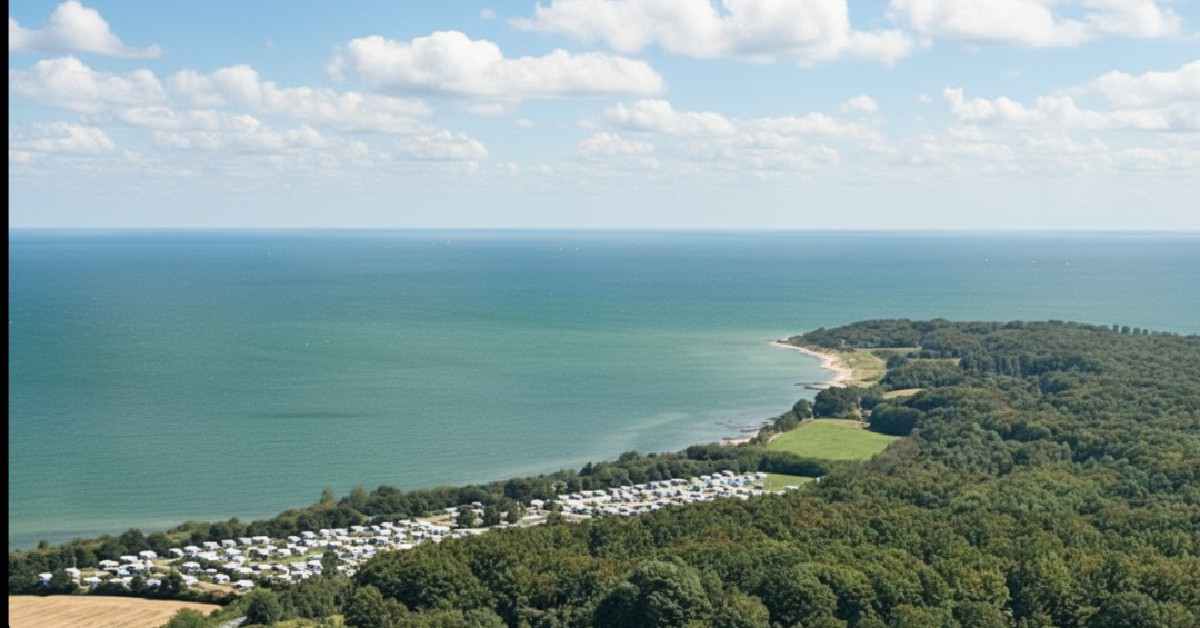
Nestled in the scenic eastern shores of Jutland, Trelde Naes is a captivating natural wonder. It plays host to both awe-inspiring landscapes and a rich array of biodiversity. Encompassing approximately 1000 hectares, this peninsula stretches out into Vejle Fjord. Thus, making it a vibrant blend of dense woodlands, steep cliffs, and serene beaches. It serves as a spectacular showcase of Denmark’s natural beauty and is a site of immense importance, drawing nature enthusiasts, hikers, and tourists from across the globe. With its remarkable ecological value and scenic vistas, Trelde Næs stands as a testament to Denmark’s commitment to conservation.
The Importance of Trelde Naes
Trelde Naes is not only celebrated for its breathtaking beauty but also for its ecological significance. The peninsula is designated as a protected area under Danish law. This is due to its diverse ecosystems that include ancient beech forests, salt marshes, and meadows. These varied environments play an essential role in supporting a wide range of flora and fauna species. It is home to over 750 species of plants, including rare orchids, and supports a variety of wildlife. Birdwatchers often flock to this location, as it is a haven for birds, especially for migratory species.
The site is crucial for conservation efforts aimed at preserving the natural forests and coastal environments. The ancient beech forest at Trelde Naes is particularly noteworthy. It offers a glimpse into the prehistoric forests that once covered much of Denmark. Additionally, the trees in these forests exhibit fascinating signs of coppicing (cutting trees at the base to promote new growth). It is a traditional woodland management technique that is no longer widely practiced.
A Landscape of Geological Wonder
The geography of Trelde Naes is not only ecologically important but is also a geological treasure trove. Visitors have the unique opportunity to explore the geological layers of history, with some formations dating back millions of years. The cliffs, made primarily of sand, clay, and gravel, are the result of glacial activity from the last ice age. These steep cliffs, some rising over 40 meters above the fjord, offer a stunning backdrop as well as an opportunity for geological studies.
What sets Trelde Næs apart is the dynamic coastal processes that continuously shape its coastline. Erosion and deposition are ongoing, making each visit potentially different from the last. This not only fuels scientific interest but also enhances the site’s allure for tourists, artists, and photographers.
Cultural and Historical Significance
While Trelde Næs is primarily known for its natural wonders, it is also steeped in cultural and historical significance. The area has been inhabited since prehistoric times. Archaeological finds in the region include tools and other artifacts dating back to the Stone Age, underscoring its historical importance. Additionally, remnants of World War II bunkers can be found along the coast. Therefore, serving as a stark reminder of Denmark’s historical struggles and resilience.
In more recent history, the proximity to the nearby town of Fredericia, just about 15 kilometers away, highlights the historical interplay between nature and human settlement. The town itself is known for its unique history of fortifications and military significance. Hence, providing an added layer of interest to visitors exploring this part of Denmark.
Visiting Trelde Naes: When to Go and Essential Tips
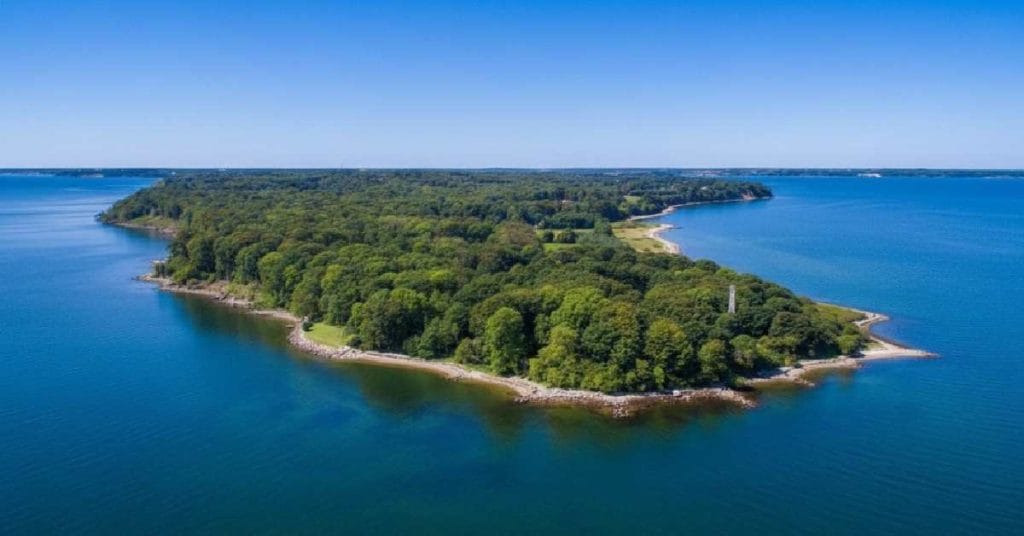
Trelde Naes offers visitors a chance to immerse themselves in one of Denmark’s most clean natural settings. Planning a trip to this captivating peninsula requires a bit of forethought to fully appreciate its beauty and ecological significance. Moreover, knowing the best times to visit, how to get there, and what features to explore can enhance your experience.
Best Times to Visit
The best time to visit Trelde Næs is during the spring and summer months. This is from late April through August, when the weather is pleasantly warm, and the landscape bursts into vibrant greens and colorful blooms. Besides, the mild weather during this period makes it ideal for hiking and outdoor activities. Average temperatures in the area range from 15°C to 20°C (59°F to 68°F). Thereby, ensuring comfortable conditions for exploring the forests and walking along the sandy beaches.
Autumn, from September to November, is also a great time to visit if you prefer fewer crowds and wish to experience the beautiful transformation of foliage as the leaves change color. The cool, crisp air and the stunning contrast of fiery reds and oranges provide a charming setting for photographers and nature lovers alike.
Getting There
Trelde Næs is easily accessible by road, making it a convenient destination for a day trip or a longer stay. It is located approximately 15 kilometers northeast of Fredericia, a town well connected by train and road networks. Visitors can drive from Fredericia to Trelde Næs in about 20 minutes. Ample parking facilities are available for those visiting by car.
For those traveling from further afield, Copenhagen is about 230 kilometers from Trelde Næs. From Copenhagen, visitors can opt to take a train to Fredericia, which typically takes around 2 hours. This is followed by a scenic drive to the peninsula.
What to Do and See
Trelde Næs is a paradise for outdoor enthusiasts. With over 10 kilometers of hiking trails, visitors can embark on various trails that pass through ancient forests, go through sandy beaches, and follow the cliff edge. Thus, offering breathtaking views over Vejle Fjord. One popular trail is the circular route that takes walkers through dense beech woods and along the dramatic cliffs, showcasing some of the best features of the landscape.
For a more leisurely experience, visitors can enjoy picnicking on the beaches or birdwatch at the numerous observation points throughout the peninsula. The diverse birdlife, including sea eagles, herons, and various waterfowl species, makes this a rewarding activity for birdwatchers.
Fishing is another popular pastime at Trelde Næs, with opportunities to catch different fish species from the shores of the fjord. For example, sea trout and flatfish. Be sure to check local fishing regulations and acquire any necessary permits before casting a line.
Tips for an Enjoyable Visit
– Dress Appropriately: Danish weather can be unpredictable, even during summer. Bring layers and a waterproof jacket to stay comfortable while exploring the area.
– Respect Nature: Trelde Næs is a protected area, so it is crucial to adhere to the “leave no trace” principles. Stay on marked trails to protect the delicate ecosystems and avoid disturbing wildlife.
– Stay Hydrated and Sun-Protected: Bring sufficient water and use sunscreen, especially if you plan to spend a lot of time hiking or on the beach.
– Check Local Guidelines: If planning to fish or engage in any regulated activities, ensure you have the appropriate passes or permits to comply with local regulations.
During your visit to Trelde Næs, the combination of stunning landscapes, rich biodiversity, and a sense of tranquility will offer an unforgettable experience. By planning ahead and following these tips, you will be well-prepared to enjoy the variety of natural wonders.
Conclusion
Trelde Næs offers a remarkable journey through one of Denmark’s most captivating natural landscapes. With its rich biodiversity, geological wonders, and historical significance, it provides an immersive experience. Its varied environments and dynamic coastlines serve as both a sanctuary for wildlife and a haven for outdoor adventurers and conservationists alike. Whether you are exploring its ancient forests, passing its scenic trails, or simply enjoying the peaceful atmosphere by the fjord, Trelde Næs promises a rewarding experience.
FAQ about Trelde Naes
1. What activities can I do at Trelde Naes?
Visitors can enjoy hiking on trails, birdwatching, fishing, and picnicking. The diverse landscapes offer something for every outdoor enthusiast.
2. Is there an entrance fee to visit Trelde Næs?
No, there is no entrance fee. Trelde Næs is open to the public, and access is free of charge.
3. Is there parking available on-site?
Yes, there are ample parking facilities available for visitors arriving by car.
4. What should I bring when visiting Trelde Næs?
It is advisable to bring layered clothing, a waterproof jacket, sunscreen, sufficient water, and any permits if you plan to fish.
5. What wildlife can I see at Trelde Næs?
Trelde Næs is home to a range of bird species, including migratory birds, sea eagles, and herons. You may also spot mammals like deer and various insect species.
6. Are there accommodations nearby?
Fredericia offers a variety of accommodations ranging from hotels to bed-and-breakfasts. Camping options may also be available in the surrounding areas for those looking for a closer connection to nature.
7. Why is Trelde Næs an important conservation area?
Its rich biodiversity and unique geological features, coupled with its role as a habitat for protected species and ecosystems, make it crucial for conservation efforts.