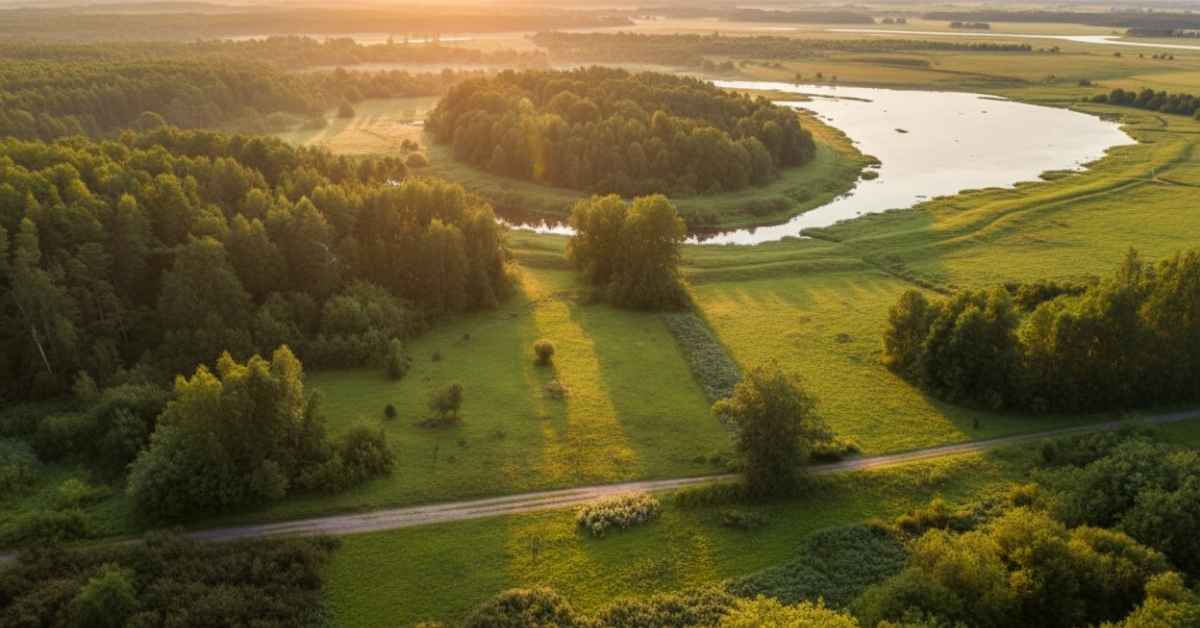
The Majestic Vestamager Nature Reserve
Key Points:
- Biodiversity Sanctuary: Vestamager covers about 2,000 hectares and is home to over 300 bird species and 500 plant types, emphasizing its role in environmental conservation.
- Recreational Opportunities: With over 30 kilometers of trails, the reserve provides diverse activities like hiking, cycling, and horseback riding, accessible from Copenhagen.
- Year-round Visiting: Best visited in spring and summer for vibrant landscapes, but each season offers unique experiences, from autumn foliage to winter tranquility.
- Accessible Location and Facilities: Located just 15 km from Copenhagen, it is easily reached by metro or car, with visitor centers, picnic spots, and birdwatching hides available.
- Educational and Cultural Value: Vestamager offers guided tours and programs on conservation, highlighting its historical land use and ongoing environmental efforts.
Nestled on the periphery of Copenhagen, the bustling capital of Denmark, lies the expansive and serene Vestamager Nature Reserve. This natural haven, often referred to as “Amager Fælled,” is an essential retreat for locals and tourists alike seeking refuge in the embrace of nature. With its breathtaking landscapes and a rich tapestry of biodiversity, Vestamager stands out as a beacon of environmental conservation and outdoor recreation—qualities that have made it one of the most important and famous sites in Denmark.
A Sanctuary of Biodiversity
The importance of Vestamager Nature Reserve cannot be overstated when considering its role as a sanctuary for a diverse array of flora and fauna. Spanning approximately 2,000 hectares (about 4,942 acres), this protected area is home to a myriad of wildlife species, some of which are rare and protected. More than 300 species of birds make Vestamager their home or migratory stopover, including the majestic white-tailed eagle and the vividly colored Eurasian kingfisher. Birdwatchers from around the world flock to Vestamager for the opportunity to witness these avian wonders in their natural habitat.
The reserve boasts a rich mosaic of plant species, with more than 500 types recorded to date. This diversity is accentuated by the variety of landscapes found within Vestamager, including wetlands, meadows, and woodlands. The presence of rare and endangered plant species underscores the importance of the reserve’s conservation efforts and the delicate balance maintained within its ecosystems.
Recreational Opportunities
Beyond its ecological significance, Vestamager Nature Reserve serves as an invaluable place for recreation and leisure. The extensive network of trails, stretching over 30 kilometers (about 18.6 miles), offers visitors endless opportunities for exploration, whether by foot, bicycle, or horseback. These well-maintained paths weave through the varied landscapes, providing access to some of the most picturesque and tranquil spots in the region.
The reserve’s proximity to Copenhagen makes it an accessible destination for city dwellers looking to escape urban life and immerse themselves in nature. With areas designated for picnicking, birdwatching hides strategically placed throughout the reserve, and designated fishing spots along its waterways, Vestamager caters to a diverse range of outdoor enthusiasts. Such infrastructure ensures that the natural beauty of the area is both preserved and accessible, offering a sustainable way for humans to connect with the environment.
Educational and Cultural Significance
Vestamager Nature Reserve serves as an outdoor classroom, offering educational programs and guided tours that emphasize the importance of conservation and sustainability. These initiatives not only enhance visitors’ understanding of the local ecology but also foster a deeper appreciation for the importance of preserving natural habitats in a rapidly urbanizing world.
Moreover, Vestamager holds cultural significance as well, with traces of historical land use still visible in certain areas. Once used as agricultural land and later as a military training ground, the reserve has undergone a remarkable transformation into the thriving natural landscape it is today. This history adds a layer of cultural depth to the visitor experience, illustrating the profound impact that human activities have on the environment and the potential for positive change and restoration.
Connecting People to Nature
One of the most compelling aspects of Vestamager Nature Reserve is its role in reconnecting people with the natural world. In an era marked by technological advances and increasing urbanization, the opportunity to experience the natural beauty and tranquility of such environments has become increasingly valuable. Vestamager provides a unique space where individuals can engage with the environment on a personal level, fostering a sense of stewardship and responsibility toward the earth.
In conclusion, Vestamager Nature Reserve stands as a testament to the importance of preserving and enjoying natural spaces. Its rich biodiversity, recreational opportunities, and educational programs are only some of the reasons why this reserve is so revered. Whether drawn by the call of the wild or the solace found in nature’s embrace, visitors to Vestamager leave with not only a cherished experience but also an enduring memory of Denmark’s commitment to environmental preservation.
Visiting Vestamager Nature Reserve: When and How to Explore
Planning a visit to the Vestamager Nature Reserve is an excellent choice for anyone looking to experience the untouched beauty of Danish landscapes. The reserve offers an array of opportunities for exploration and relaxation, making it an ideal destination for both quick day trips and extended nature retreats. With a little planning and some practical insights, you can make the most of your time at this remarkable location.
Best Time to Visit
While Vestamager is accessible year-round, the best time to visit largely depends on the activities you wish to engage in and your preferences for climate. Spring and summer, spanning from April through September, are particularly favorable as the mild weather encourages outdoor exploration, and the landscapes burst into vibrant bloom. During these months, the temperatures typically range from 15°C to 25°C (59°F to 77°F), providing comfortable conditions for hiking, birdwatching, or picnicking.
[elementor-template id=”36828″]Autumn, from October to November, presents a different yet equally captivating experience as the foliage transforms into a tapestry of reds and golds. Winter, though colder with temperatures often below freezing, blankets the reserve in a serene quietness. If you enjoy solitude and the stark beauty of winter landscapes, this season offers a unique allure.
Getting There
Vestamager Nature Reserve is conveniently located just 15 kilometers (approximately 9 miles) from the center of Copenhagen, making it easily accessible by both public and private transportation.
By Public Transport: The Copenhagen Metro line M1 takes you directly to Vestamager Station, which is just a short walk from the entrance of the reserve. The metro runs frequently, and the journey from central Copenhagen to Vestamager takes approximately 20 minutes.
By Car: Driving to Vestamager is straightforward, with ample parking available at the main entrance. From downtown Copenhagen, follow the signs to Kalvebod Fælled, and you will reach the reserve in about 20–25 minutes, depending on traffic.
Visitor Tips
To fully enjoy your visit to Vestamager Nature Reserve, consider the following tips:
1. Dress Appropriately: The Danish climate can be unpredictable, so dressing in layers is wise to adapt to sudden changes in weather. During summer months, carry sunscreen and insect repellent, while in winter, ensure you have adequate warm clothing and waterproof gear, especially if you plan to explore deeper into the trails.
2. Bring Binoculars: Given the reserve’s rich birdlife, carrying a pair of binoculars can enhance your visit, allowing close-up views of the diverse avian species that inhabit the area.
3. Pack a Picnic: With numerous scenic spots throughout the reserve, bringing a picnic is a great way to take a break and enjoy the surroundings. Make sure to leave no trace by cleaning up after yourself to maintain the pristine condition of the natural environment.
4. Guided Tours and Information: If it’s your first time visiting, consider joining a guided tour. Local guides offer invaluable insights into the ecosystems and history of the reserve, enriching your experience with knowledge and stories that you might otherwise miss.
5. Respect the Wildlife: As with any natural reserve, it’s crucial to respect the wildlife by maintaining a safe distance from animals and not feeding them. This keeps both visitors and animals safe and ensures the natural behaviors of the species are preserved.
6. Use the Facilities: The reserve is equipped with visitor centers that provide maps, restrooms, and other amenities. Taking advantage of these resources can enhance your visit and provide additional context to the landscapes around you.
In sum, a visit to Vestamager Nature Reserve offers an opportunity to escape into nature and witness the remarkable beauty native to Denmark. By planning appropriately and respecting the environment, you can ensure a memorable and enriching experience tailored to your interests.
Concluding Thoughts on Vestamager Nature Reserve
Vestamager Nature Reserve stands as a stunning illustration of Denmark’s commitment to preserving natural landscapes amidst urban development. With its expansive biodiversity, opportunities for outdoor recreation, and educational programs, Vestamager is a remarkable destination that offers visitors a chance to connect with nature while appreciating the history and efforts involved in its conservation.
Through its proximity to Copenhagen, impressive array of flora and fauna, and accessible trails, Vestamager not only serves as a vital habitat for wildlife but also as a cherished sanctuary for city dwellers and tourists looking to experience Denmark’s natural beauty. The reserve’s success speaks to the importance of maintaining such areas as havens for both biodiversity and human enrichment.
Summary
– Rich Biodiversity: Vestamager boasts over 300 bird species and 500 plant species within its 2,000-hectare landscape, making it a key conservation area.
– Recreational Haven: With more than 30 kilometers of trails, the reserve offers ample opportunities for hiking, cycling, and horseback riding.
– Year-round Accessibility: Vestamager can be visited in any season, each offering unique experiences—spring’s blooms, summer’s warmth, autumn’s colors, and winter’s tranquility.
– Educational Value: The reserve is a site for environmental education, offering guided tours and programs that highlight conservation efforts.
– Close to Copenhagen: Located just 15 kilometers from the city, the reserve is easily accessible by public transport or car.
Frequently Asked Questions
1. How do I get to Vestamager Nature Reserve from Copenhagen?
You can reach Vestamager by taking the M1 metro line to Vestamager Station. The reserve is just a short walk from there. Alternatively, you can drive, with ample parking available at the entrance.
2. Are there any entrance fees?
No, entry to Vestamager Nature Reserve is free, making it an accessible option for everyone looking to enjoy nature.
3. Can I bring my dog to the reserve?
Yes, dogs are allowed, but they must be kept on a leash at all times to protect the wildlife and ensure the safety of other visitors.
4. What facilities are available at the reserve?
The reserve has visitor centers equipped with restrooms, maps, and other essential amenities. There are also designated picnic areas and birdwatching hides.
5. Is Vestamager suitable for children?
Absolutely. The reserve’s flat terrain and varied landscapes make it an excellent spot for families. Educational programs often cater to younger audiences, making it a fun and informative visit for children.
6. Are guided tours available?
Yes, guided tours are available and highly recommended for first-time visitors. These tours provide valuable insights into the ecology and history of the reserve.
7. Can I fish or camp in the reserve?
Fishing is permitted in designated areas, but you will need to adhere to local regulations. However, camping is not allowed to protect the natural habitat and wildlife.
8. What times of year are best for birdwatching?
Spring and autumn are particularly favorable for birdwatching due to migratory patterns. During these seasons, you’re likely to see a variety of species passing through or nesting in the reserve.
9. Are there any specific rules I should follow while visiting?
Visitors are encouraged to follow the ‘Leave No Trace’ principles—respect wildlife, stick to designated paths, and clean up after themselves. This ensures the area remains pristine for both wildlife and future visitors.
In conclusion, Vestamager Nature Reserve is not just a place to visit, but an experience to be savored and cherished, offering profound insights into the natural world and Denmark’s dedication to preserving it.