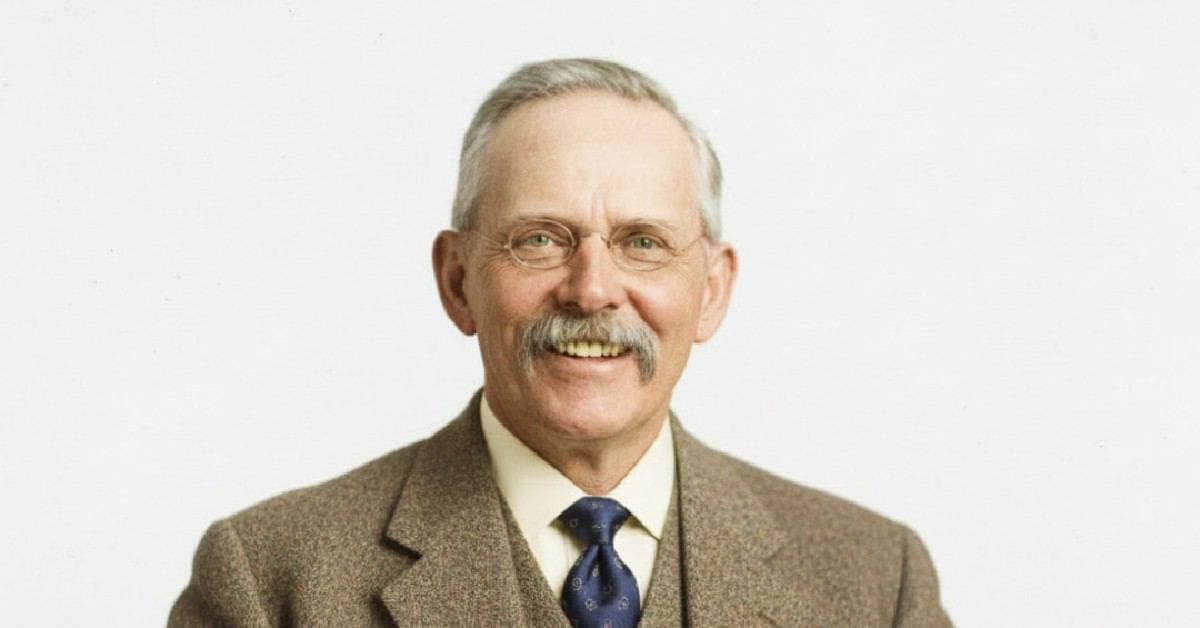
Jacob Riis is a name that resonates deeply in the realms of social reform and journalism. A Danish-American journalist, photographer, and social reformer, Riis used his talents to spark transformative changes in the urban landscape of the United States. This was at the turn of the 20th century. Known primarily for his dedication to highlighting the appalling living conditions in New York City’s tenements, Riis’s work became a crucial catalyst for housing reform and improved social policies. Furthermore, his pioneering photojournalism skills helped develop the power of the photographed image in public awareness and advocacy.
Early Life in Denmark of Jacob Riis
Jacob August Riis was born on May 3, 1849, in Ribe, Denmark’s oldest town. The third of 15 children, Jacob was part of a large family led by Niels Edward Riis, a schoolteacher, and Carolina Riis. Also, his decision to move to America was partly inspired by the tales of opportunity and prosperity he had heard from returning Danish emigrants. At the age of 21, he decided to leave Denmark in search of a new life.
The journey to the United States was not an easy one. Upon arriving in New York City in 1870, Jacob Riis faced the challenges and hardships that come with being an immigrant. The conditions he encountered were harsh, and employment opportunities were scarce. Moreover, Riis experienced poverty and unemployment firsthand, which deepened his sympathy for the city’s most destitute residents. It also spurred his desire for change. Despite the initial struggle, his arrival in New York marked the beginning of a career that would ultimately change the face of American social reform.
Career Highlights of Jacob Riis
Shining a Light Through Journalism
Upon his arrival in America, Jacob Riis struggled to find consistent work. However, his fortune began to change when he managed to secure a position as a police reporter for the New York Tribune in 1877. This role offered Riis an unparalleled view into the unpleasant conditions of New York City’s tenements. It was during these years that he witnessed the deprivation and overcrowding firsthand—a reality that would become the focal point of his journalistic endeavors.
As a reporter, Riis was committed to justice and used his platform to expose the harsh realities faced by the city’s poor inhabitants. He wrote detailed articles and deployed prose that vividly depicted life in the slums, capturing the grim details. Besides, his writings were data-rich and factual, adding a layer of credibility and urgency to his calls for reform.
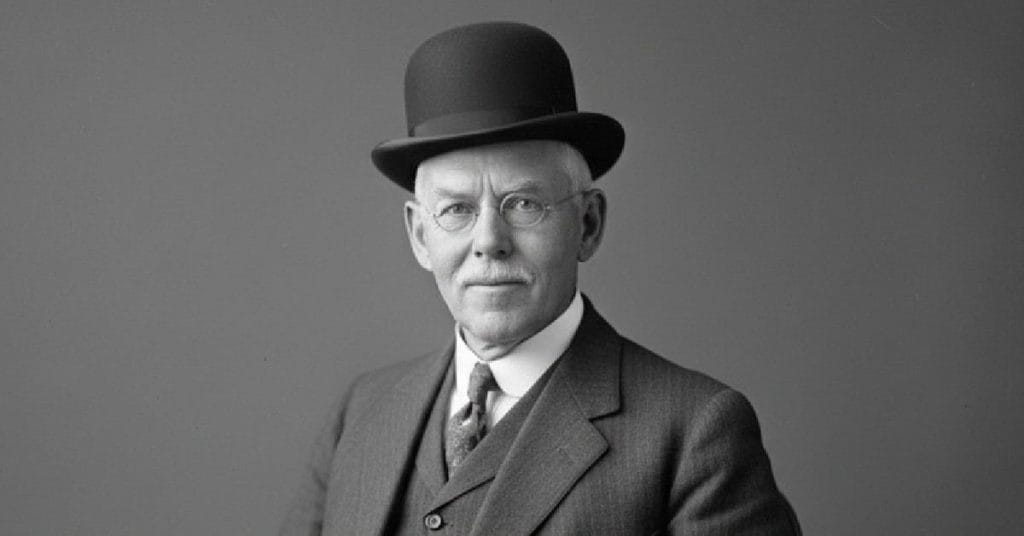
Innovating with Photography
While Riis’s writing painted a compelling picture of poverty, he understood that imagery could penetrate public consciousness in a way that words alone could not. In 1887, Riis began experimenting with photography, utilizing the then-novel technique of flash photography. This innovation allowed him to capture images in the dimly lit tenements. Thus revealing the overcrowded, unsanitary, and dangerous living conditions with unprecedented clarity and impact.
In 1888, he combined his photographs with his written work in publications such as “How the Other Half Lives.” It was a pioneering book that used both descriptive text and emotive images to draw attention to the plight of the urban poor. This work is often credited with securing him a place in history as one of the founding figures of modern photojournalism. The book was an instant success and drew widespread attention from the public and policymakers alike. Therefore, stirring calls for housing reform in New York City.
Advocacy and Impact
Jacob Riis’s marriage of journalism and advocacy did not end with publication alone. His active involvement in policy reform was a testament to his commitment to social justice. Additionally, his work directly influenced some of the significant urban reforms that followed. This is including the 1901 Tenement House Act, which established stricter standards for habitation. Thereby, mandating improvements in building codes and the abolition of the most egregious tenement conditions.
Beyond legislative impact, Riis forged relationships with influential individuals, including then-New York City Police Commissioner Theodore Roosevelt. Roosevelt admired Riis’s tenacity and insights. And their partnership led to policing reforms that improved safety and living conditions in poorer neighborhoods.
Conclusion
Riis continued his reform work throughout his life, authoring over a dozen books. This is including “The Children of the Poor” and “The Battle with the Slum,” which expanded upon his findings and advocated for continued change. Also, the numeric scale of his efforts amplified his message far beyond urban New York. Thus laying the groundwork for a nationwide reform movement that sought to alleviate the struggles of impoverished communities.
What’s more, though his innovative use of journalism and photography, Jacob Riis managed to open society’s eyes to the struggles of the underprivileged. He was also able to foster change that resonated far beyond his era. Besides, his life’s work, filled with startling statistics and heart-wrenching stories backed by powerful visual evidence, established him as a pillar of progressive change.
FAQs about Jacob Riis
1. How did Jacob Riis’s early life in Denmark influence his work?
Growing up in Ribe, Denmark, in a large family that valued education and empathy, Riis developed a strong sense of social justice.
2. What were some of the major impacts of Jacob Riis’s work?
Riis’s work led to substantial urban reforms. This is including the 1901 Tenement House Act, which improved building codes and living conditions for tenement residents. In addition, his advocacy also influenced figures like Theodore Roosevelt, contributing to broader social reforms.
3. How did Jacob Riis and Theodore Roosevelt collaborate?
Jacob Riis and Theodore Roosevelt developed a mutual respect for one another, with Roosevelt admiring Riis’s work. What’s more, as New York City Police Commissioner, Roosevelt implemented reforms influenced by Riis’s findings. And they worked together to improve living conditions in the city.