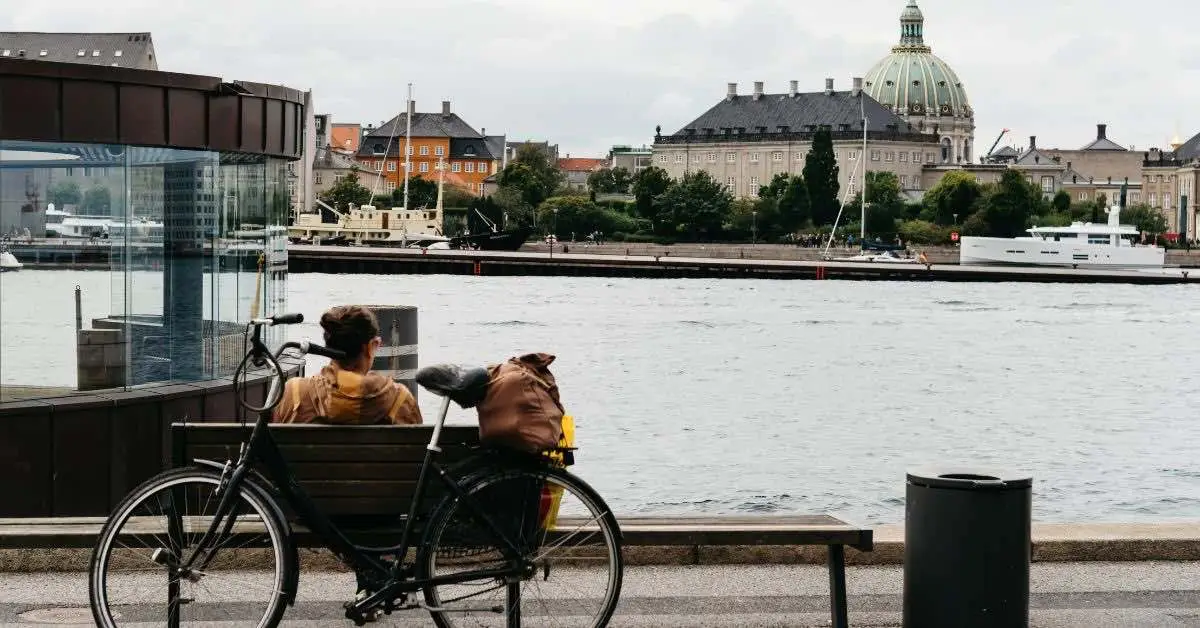
A recent analysis reveals that the number of young people aged 15 to 24 in Denmark without a job or education has increased to 44,600, marking a worrying rise in this demographic over the past year.
Rising Numbers of Young People Without Jobs or Education
Denmark is facing a significant challenge as new data from the Arbejderbevægelsens Erhvervsråd (AE) indicates that 44,600 individuals aged 15 to 24 are currently neither employed nor pursuing education. This number represents an increase of approximately 1,800 compared to the previous year, underscoring a trend that has remained persistent despite political focus on the issue.
According to the latest statistical data, as of September 2024, the proportion of young people without jobs or education stands at 6.6%. This figure is up from 6.3% in the previous year, marking a troubling shift in the employment landscape for younger Danes. For reference, the percentage of young people without employment or education has not dipped below 6.0% for several years—a stark indicator of a systemic issue.
Troels Lund Jensen, the chief analyst at AE, expressed surprise at the continued rise in this demographic despite ongoing political efforts to address the issue. “It is quite surprising that the number has increased to nearly 45,000 young people without jobs and education,” he stated. The backdrop of this situation is a political agreement made in 2017 under the VLAK government, setting a goal to reduce the number of young people without job or education to 3.5% by the year 2030.
Currently, with 6.6% of young people falling into this category, there is significant work to be done if the government is to reach its ambitious target. In fact, the situation seems to be backtracking rather than moving forward, which raises questions about the effectiveness of the interventions that have been launched. “There has been substantial political focus on this group of young people for many years. However, we must acknowledge that things are heading in the wrong direction,” Jensen noted, urging for more robust measures.
Significant Barriers to Education
The increase in young people disengaged from both education and the workforce is, in part, due to fewer young individuals embarking on educational paths. “There are fewer young people starting and completing educational programs. This presents a significant problem,” Jensen explained. Research consistently highlights that education is crucial for securing stable employment—particularly in a labor market that increasingly favors skilled workers over unskilled labor.
“Going the unskilled route is an uncertain pathway,” Jensen remarked, emphasizing the need for government and the Folketing (the Danish Parliament) to focus efforts on increasing educational attainments among young people.
The analysis sheds light on the demographics of the 15-24 age group, revealing that the percentage of individuals without jobs or education is notably rising among those aged 16 to 19. Specifically, the analysis indicates that 6.6% of all young people within this age bracket were without jobs and education in 2024—up 0.3 percentage points from the previous year. Historical data shows a slight decline from 7.0% in 2016, yet the upward trend over the past year is concerning.
The increase in youth unemployment and disengagement can largely be attributed to a drop in the number of individuals beginning or completing their education (-0.4 percentage points). However, there has been a minor positive shift with a slight uptick (+0.1 percentage points) in the number of young people who have secured employment, albeit with only primary school education as their highest qualification.
Potential Solutions and the Path Forward
As Denmark grapples with the issue of youth disengagement from education and employment, stakeholders are urged to explore new strategies to tackle the situation. Jensen recommends that the government and relevant authorities redouble their efforts to educate and train more young people.
The long-term societal implications of this issue could be vast. If young people remain without qualifications and stable employment, the future labor market could witness a significant portion of the workforce struggling with economic instability and vulnerability.
In summary, while Denmark boasts a high standard of living and robust economic frameworks, the challenges facing its young populace—especially in terms of education and employment—require urgent and sustained attention from policymakers and stakeholders alike. As the nation moves towards its 2030 goals, the situation of young people without jobs or education will be a critical metric to watch in the coming years.
Recommendations for A-kasser
A-kasser follows the same rules when they manage ‘Dagpenge’. So, there are not that many differences between a-kasser. The price and service level might very slightly, and also if they offer extra salary insurance.
Because I have both a-kasse and salary insurance with ASE, this is also the A-kasse that I will recommend you. I use ASE because it’s good value for money, and because they have a special focus on entrepreneurs. They also offer a complimentary salary insurance.
Click on this link to learn more about their plans and prices.
But, I will also mention three other a-kasser that you can consider:
(If you use the links above, I get a small commission with no extra cost to you. It helps support this page if you use my links. Thanks in advance!)