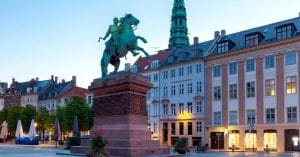
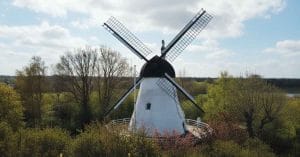
From Copenhagen’s canal-lit waterfronts to the migrating dunes of Jutland and the chalk cliffs of Møn, here are the best things to do in Denmark, ranked by an expat who has spent years exploring every corner of the country.
After more than a decade of writing about Denmark, I get the same question from new arrivals every week. They ask what they should actually see beyond Copenhagen’s harbour. The honest answer is that there are dozens of brilliant things to do in Denmark, and most travellers only scratch the surface.
This guide gathers the attractions I keep recommending to friends and readers. I have walked these streets, climbed these dunes, and queued for these castles in every season. I have also added new sites and tips that the older version of this list missed.
Why Denmark Punches Above Its Weight
Denmark is small, flat, and famously expensive. It is also one of the most rewarding countries in Europe for a curious traveller or a newly arrived expat. Compact distances mean you can see Viking burial sites, royal palaces, and modern architecture in a single weekend.
The country welcomed roughly 33 million overnight stays in 2023, according to VisitDenmark. That popularity is no accident. Danish cities pair clean design with serious history, and the countryside offers wild beaches and quiet forests within an hour of any train station.
Top Things to Do in Denmark in Copenhagen
Most visitors start in the capital, and I always tell them to give it at least three full days. Copenhagen is dense with sights, but the real charm lies in how walkable and bike friendly it is. If you only have a long weekend, see how many days in Copenhagen you actually need.
Wander Nyhavn and the Inner Harbour
Nyhavn is the postcard image of Denmark, with painted 17th century townhouses lining a working canal. Hans Christian Andersen lived at number 20, then number 67. Skip the overpriced cafes here and walk five minutes to the harbour for a cheaper view.
From Nyhavn you can hop on a canal tour or stroll to the Royal Theatre. The nearby Inderhavnsbroen pedestrian bridge connects you to Christianshavn and the food scene at Reffen in summer. For more ideas, see our list of Copenhagen classics.
See the Little Mermaid and Amalienborg Palace
The Little Mermaid statue has perched at Langelinie since 1913. She is famously small, and the crowds around her are famously large. I still send people there, because the walk through Kastellet and Churchillparken is one of the prettiest in the city.
Ten minutes south sits Amalienborg, the royal family’s winter residence. Catch the changing of the guard at noon, then explore the Rococo squares. The royal collections, including Rosenborg Castle and its crown jewels, are nearby.
Spend a Day at Tivoli Gardens
Tivoli Gardens opened in 1843 and inspired Walt Disney himself. It is one of the world’s oldest amusement parks, and Danes treat it as a year round social hub. The autumn Halloween season and Christmas market are honestly more atmospheric than the summer crowds.
Buy a ticket at the gate, ride the wooden roller coaster from 1914, and stay for the evening light show. Tivoli also hosts free Friday Rock concerts in summer. Pair it with a meal at Hallernes nearby for a proper Copenhagen day.
Explore Freetown Christiania
Freetown Christiania was founded in 1971 when squatters took over abandoned military barracks in Christianshavn. The community is car free, anarchist in spirit, and home to roughly 900 residents. It is also constantly negotiating its future with the Danish state.
The infamous Pusher Street was dug up by residents in 2024 to end open cannabis sales. What remains is the street art, the self built houses along the canal, and a vegetarian cafe scene worth your time. Read the rules at the entrance and never photograph people without asking.
Find Calm at the Botanical Garden and Cisternerne
The University of Copenhagen Botanical Garden holds over 13,000 plant species under Victorian iron and glass. Entry is free, and the Palm House is a favourite winter escape when Danish weather turns grim. Bring a coffee and a book.
Across town in Frederiksberg, the Cisternerne sits underneath Søndermarken park. The former reservoir now hosts haunting site specific art installations in near darkness. It is one of the most unusual museums in northern Europe, and an easy add to any Copenhagen itinerary.
Castles, Cathedrals, and Royal History
Few countries have packed so many castles into so little land. Denmark has more than 600 surviving manor houses and castles, according to the Agency for Culture and Palaces. Many sit within an hour of Copenhagen by train.
Frederiksborg Castle in Hillerød
Frederiksborg Castle is the Renaissance masterpiece of Christian IV, built in the early 1600s. It now houses the Museum of National History with portraits of every Danish monarch since the Reformation. The Baroque garden behind the castle is a must, especially in spring.
Take the S train to Hillerød, then walk fifteen minutes through town. Allow at least three hours inside. If you want more, our guide to castle visits ranks the best options by region.
Kronborg, Roskilde Cathedral, and the Royal Tombs
Kronborg Castle in Helsingør is the setting of Shakespeare’s Hamlet and a UNESCO World Heritage Site. The casemates underneath, where the legendary Holger Danske waits to defend Denmark, are worth the entrance fee alone.
Roskilde Cathedral, also UNESCO listed, holds the tombs of 39 Danish kings and queens. The brick Gothic structure dates to the 12th century. Combine it with the Viking Ship Museum down the hill for a perfect day trip from Copenhagen.
Egeskov Castle on Funen
Egeskov Castle is the best preserved moated Renaissance castle in Europe. The grounds include a vintage car museum, several hedge mazes, and an aerial walkway through the treetops. Families with kids will thank me later.
Beyond the Capital: Aarhus, Odense, and Aalborg
Most expats I know finally start understanding Denmark when they leave Copenhagen. The smaller cities feel calmer, friendlier, and often more visually surprising.
Aarhus: ARoS and Den Gamle By
Aarhus is Denmark’s second city and the European Capital of Culture for 2017. The ARoS Art Museum is famous for “Your Rainbow Panorama,” a 360 degree coloured walkway by Olafur Eliasson on the roof. The basement holds the haunting “Boy” sculpture by Ron Mueck.
Den Gamle By is an open air museum with 75 historic buildings reassembled from across Denmark. You move from a 1700s merchant’s house to a 1974 working class apartment with real radios crackling. It is the most immersive history lesson I have found in this country.
Odense: Hans Christian Andersen’s Hometown
Odense is Denmark’s third largest city and the birthplace of Hans Christian Andersen. The new H.C. Andersen House, designed by Japanese architect Kengo Kuma, opened in 2021. It blends underground galleries with a fairy tale garden above ground.
Pair the museum with a wander through the medieval old town and the Funen Village open air museum. Odense is also under an hour from Copenhagen by train, which makes it a workable day trip.
Aalborg and the Northern Tip of Jutland
Aalborg sits on the Limfjord in northern Jutland and surprises most first time visitors. The half timbered Jens Bang’s House from 1624 anchors the old town. The waterfront has been transformed by Utzon Center, designed by the architect of the Sydney Opera House.
From Aalborg you can drive north to Skagen, where the North Sea and Baltic meet at Grenen beach. The light here drew the Skagen Painters in the 1880s, and the museum holds their finest works.
Things to Do in Denmark for Nature Lovers
Denmark looks flat on the map, and most of it is. The exceptions are dramatic. Sea cliffs, dunes, and ancient forests sit within easy reach of the rail network.
Møns Klint and the Chalk Cliffs
Møns Klint rises 128 metres above the Baltic on the island of Møn. The white chalk was laid down by microscopic sea creatures around 70 million years ago. GeoCenter Møns Klint explains the geology with interactive exhibits.
Hike down the wooden stairs to the beach for the best photos. Møn is also a certified Dark Sky community, so stay overnight if you can. The stargazing is the best in Denmark.
Råbjerg Mile and Skagen
Råbjerg Mile is one of the largest migrating dunes in northern Europe, covering about two square kilometres. It moves around 15 metres east every year, swallowing whatever sits in its path. The Sand Buried Church near Skagen lost its battle a century ago.
Bornholm: Denmark’s Sunshine Island
Bornholm sits in the Baltic, closer to Sweden than to Copenhagen. It gets more sunshine than anywhere else in Denmark and feels like a slower, calmer version of the country. The smoked herring at any røgeri is reason enough to visit.
See the round whitewashed churches, hike to the Hammershus ruins, and stop at the Bornholm Art Museum. The fortress at Hammershus is the largest medieval ruin in northern Europe. Ferry from Køge or fly direct from Copenhagen in 35 minutes.
Museums and Danish Design
Danish design earned its global reputation in the mid 20th century. The country still produces some of the most influential furniture and architecture anywhere. These museums show why.
The National Museum and Designmuseum Danmark
The National Museum of Denmark in Copenhagen covers prehistory through the Cold War. The Viking exhibition, with the Sun Chariot from around 1400 BCE, is the centrepiece. Entry is free for under 18s and reasonably priced for adults.
Designmuseum Danmark on Bredgade holds the largest collection of 20th century Danish furniture in the world. Arne Jacobsen, Hans Wegner, and Poul Henningsen are all here. For more, see our list of museums worth your time.
The Viking Ship Museum in Roskilde
The Viking Ship Museum holds five original Viking ships pulled from the Roskilde Fjord. They were sunk as a defensive barrier around 1070 CE. The boatyard outside builds full size reconstructions using traditional methods, and you can sail one in summer.
Food, Drink, and the New Nordic Scene
Denmark transformed its food culture in the 2000s, and the country now has more Michelin stars per capita than any other in the world. You do not need to spend 4000 kroner at Noma to eat well here.
Carlsberg, Mikkeller, and the Beer Scene
Carlsberg has brewed in Copenhagen since 1847. The original Visit Carlsberg site reopened in 2024 after a multi year renovation. Tours cover the elephant gates, the founder’s villa, and a tasting in the new visitor centre.
Modern Danish craft beer revolves around Mikkeller and To Øl. Mikkeller bars dot Copenhagen, with the original on Viktoriagade. Try a sour or a wild ale rather than a standard pilsner.
Street Food, Smørrebrød, and bakeries
Reffen on the harbour and Tivoli Food Hall offer affordable street food from across the world. For traditional Danish, eat smørrebrød at Aamanns or Schønnemann. Order three open sandwiches and a snaps to do it properly.
Danish bakeries are a national religion. Try the cardamom buns at Juno or the cinnamon snail at Hart Bageri. See more on our food guide.
Practical Tips From a Long-Term Expat
A few hard learned lessons before you book. Denmark is expensive, but several of the best experiences are free.
Getting Around the Country
Trains run by DSB connect every major city. The Copenhagen to Aarhus journey takes about three hours. Inside cities, the bike is king. Read our guide to cycling before you rent one.
The public transport in Copenhagen is excellent, with a driverless metro running 24 hours. The Rejsekort travel card works on trains, buses, and metros nationwide.
Best Time to Visit Denmark
Summer between June and August gives long days and reliable festivals like Roskilde and Copenhagen Jazz. Winter is dark, but the Christmas markets at Tivoli and Nyhavn are pure hygge. Shoulder months in May and September are my personal favourites.
Frequently Asked Questions About Things to Do in Denmark
What are the top things to do in Denmark for first time visitors?
First time visitors to Denmark should spend two or three days in Copenhagen seeing Nyhavn, Tivoli Gardens, and Christiania. Add a day trip to Frederiksborg Castle and Roskilde Cathedral. Finish with at least one regional stop, such as Aarhus, Odense, or the chalk cliffs of Møns Klint.
How many days do you need to visit Denmark?
Plan five to seven days for a first trip to Denmark. Three days cover Copenhagen and a castle day trip. Add two days for Aarhus or Odense, and one day for nature, either Bornholm or Møns Klint. Two weeks lets you reach Skagen and Bornholm at a relaxed pace.
What are the best free things to do in Denmark?
The Botanical Garden, the changing of the guard at Amalienborg, and the Little Mermaid are all free. Most state museums offer free entry one day a month. Hiking Møns Klint, exploring Christiania, and walking through Den Sorte Diamant library cost nothing.
Is Denmark expensive to visit?
Yes, Denmark is one of Europe’s more expensive destinations. Expect 1200 to 1800 kroner per day for budget travel, more for restaurants and museums. Save with the Copenhagen Card, free walking tours, supermarket lunches from Netto or Lidl, and the excellent train network.
What outdoor things to do in Denmark are worth the trip?
The chalk cliffs of Møns Klint, the migrating Råbjerg Mile dune, and the smoked herring trails of Bornholm top my list. Add the Wadden Sea UNESCO site near Ribe for autumn starling murmurations, called Sort Sol. Cycling the Marguerite Route also reveals the rural Denmark most tourists miss.
What is the best thing to do in Denmark in winter?
Tivoli Gardens transforms into Denmark’s loveliest Christmas market from mid November through New Year. Combine it with the Nyhavn market and a saunagus session at La Banchina or CopenHot. Winter also means museum season, and the cold light over Kronborg and Frederiksborg is unforgettable.
Are there good things to do in Denmark with kids?
Yes. Tivoli Gardens, LEGO House in Billund, the Viking Ship Museum in Roskilde, and Den Gamle By in Aarhus all entertain children for a full day. The Zoo in Copenhagen and the Experimentarium science centre in Hellerup are also reliable rainy day choices.