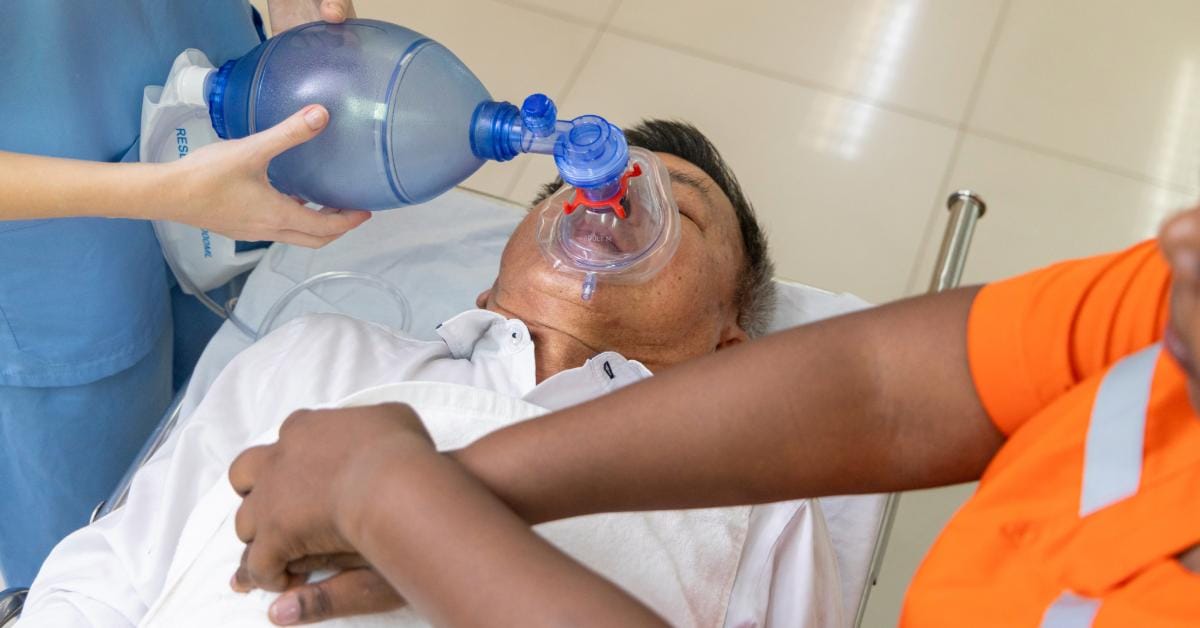
More than 17,000 people in Denmark have chosen not to be resuscitated if their heart stops. Experts emphasize that such choices should be made with full understanding and medical guidance.
One year after Denmark introduced the right to decline resuscitation
Exactly one year ago, Denmark gave all healthy citizens aged 60 and above the right to refuse resuscitation in the event of cardiac arrest. Data from the Danish Health Data Authority shows that 17,389 people have now registered this decision.
According to Professor Fredrik Folke, head of research in the emergency medical services for the Capital Region of Denmark, this number is significant. Denmark remains the only country in the world offering this option to healthy older adults. While the figure represents only about one percent of Danes over 60, it still indicates that many have reflected deeply on how they wish life-saving efforts to be handled.

Balancing survival and quality of life
Folke points out that around 15 percent of people who experience cardiac arrest survive, and most survivors return to a meaningful life. Yet, for many, the concern is not about surviving the cardiac arrest itself, but what life would look like afterward. The fear of losing independence, mobility, or mental clarity often weighs heavily when making such a decision.
For some, quality of life outweighs the possibility of survival at any cost. Among older adults in Denmark, these discussions frequently take place with family members and doctors. Many choose to document their decision formally, registering their choice digitally through Danish healthcare systems.
Need for better information
Specialists, including Folke and other researchers, stress that decisions about life-saving treatment must be made based on clear information. There is a risk that some people might decline resuscitation out of fear or misunderstanding, rather than after thoughtful discussion with their doctor. Researchers also acknowledge that Denmark lacks detailed data on survival rates across different age groups and levels of illness, which would help citizens make better-informed choices.

Organizations such as Ældre Sagen (DaneAge Association) and the Danish Heart Foundation also highlight that the key issue is not how many people register, but that everyone understands the implications of opting out. They encourage open dialogue between individuals, their families, and their physicians before making a final decision.
The Danish Heart Foundation estimates that nearly 5,000 Danes suffer cardiac arrest outside hospitals each year. The group supports the idea that individuals should have full autonomy but insists on well-informed consent.
Ethical and practical perspectives
In Denmark, only those considered competent to make their own medical decisions can opt out of resuscitation. The rule applies exclusively to cardiac arrest and only within Danish borders. Once the decision is registered, it becomes legally binding for healthcare professionals who have access to the national system. However, the registration can be withdrawn at any time.
It is important to note that ordinary citizens performing first aid in an emergency do not have access to the registry and will still be expected to begin life-saving efforts if they witness a cardiac arrest.
Because of that, Danish doctors and health authorities continue to promote awareness about how such personal medical choices are handled within the national healthcare system. Understanding how decisions are stored, updated, and accessed ensures both respect for individual autonomy and clarity for healthcare staff in critical moments.

Reflecting a broader debate on medical autonomy
Without a doubt, the Danish model has sparked meaningful debate about end-of-life care and medical ethics. On one hand, the program strengthens personal freedom and trust between patients and doctors. On the other, it raises complex questions about how well people understand survival chances and long-term outcomes.
For now, the 17,000 registered refusals mark a cautious, but deliberate, shift toward personal control over medical intervention in Denmark. Authorities expect the number to grow as awareness spreads, though experts continue to emphasize the need for careful thought and proper guidance before making such a life-defining choice.
Sources and References
The Danish Dream: Danish Healthcare Explained for Tourists & Expats
The Danish Dream: Health Insurance in Denmark for Foreigners
DR: Over 17.000 har sagt nej til genoplivning ved hjertestop