A rare bird normally found in Southern Europe has drawn widespread attention in Denmark after one of two blue kites spotted near Aulum mysteriously disappeared, leaving local bird enthusiasts anxious about the other’s chances of surviving the winter.
The Unlikely Visitor in West Jutland
Bird watchers across Denmark have been captivated for months by the appearance of the blue kite, a species rarely seen so far north. Two of these elegant birds were first spotted near Aulum in West Jutland in early September, an extraordinary event since these raptors usually live in the warmer regions of Spain, Portugal, and southern France.
Their arrival immediately turned the quiet countryside into a gathering spot for excited ornithologists. The pair’s unexpected decision to build a nest and reportedly mate sparked cautious optimism that the birds might adapt and possibly return.

One Bird Vanishes Without a Trace
Despite hopes for a long winter stay, by late autumn only one blue kite remained. The second bird vanished about six weeks ago, leaving experts uncertain about what happened. It might have migrated elsewhere, succumbed to hunger, or fallen victim to a larger predator.
Because blue kites rely on small mammals like mice, the frozen ground and snow cover complicate their feeding. The harsh winter landscape across Denmark’s open plains and nature areas such as Thy National Park leaves few chances to locate prey. For that reason, many observers fear that the remaining bird may struggle to survive until spring.
Still, there’s some hope. Other Danish raptors like the kestrel manage to endure winter conditions year after year. Some bird watchers believe the blue kite might adapt in a similar way if it continues to find enough food.
Ongoing Observations in a Harsh Winter
Because of the bird’s rarity, dozens of enthusiasts continue traveling to Aulum to monitor its behavior. Even in freezing temperatures, telescopes and cameras line roads and fields where the kite typically hunts. Many locals have joined seasoned ornithologists in documenting its flight patterns and daily activity.
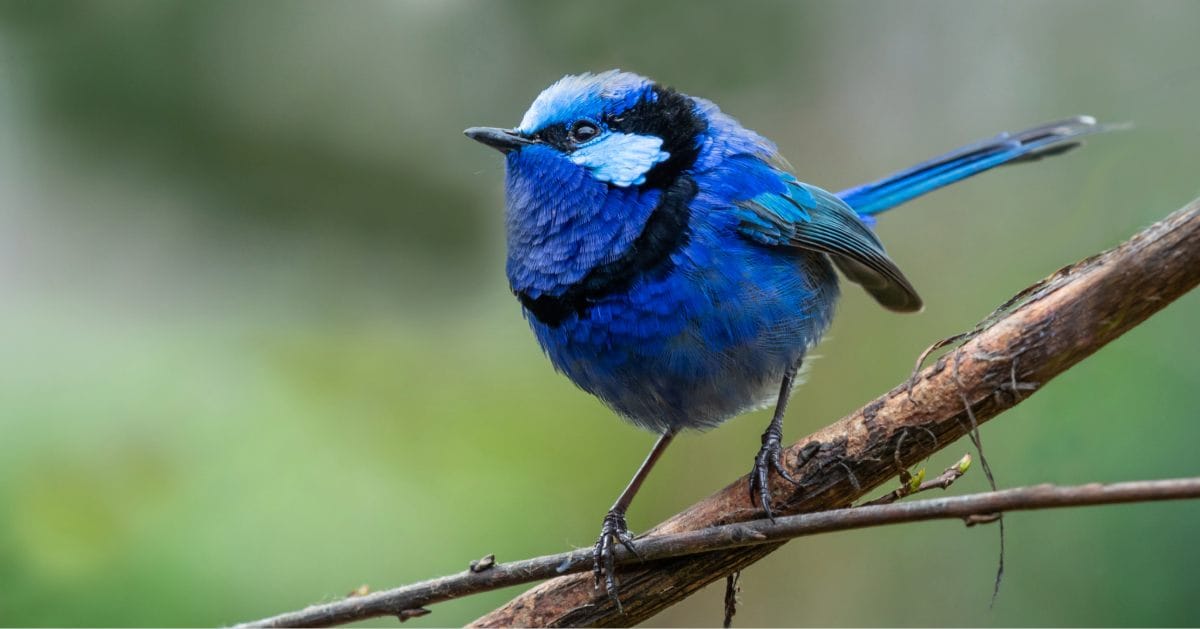
The lone bird remains strikingly recognizable with its blend of light gray and bluish feathers and long, forked tail. These distinct colors make the blue kite easy to spot against the pale winter sky.

Hope Against the Odds
For now, the prevailing outlook among observers ranges between cautious optimism and concern. Denmark’s winter, though relatively mild compared to parts of Scandinavia, often tests species unaccustomed to short daylight hours and limited food sources. If the bird survives through February and March, it would be a rare triumph and potentially mark an important biological observation for the region.
Naturalists stress that even if the blue kite doesn’t make it, the event already provided crucial data on species migration. It shows how changing climate conditions may occasionally push typically southern birds further north in search of food or nesting sites.
Interestingly, other wild areas like the tidal flats of Wadden Sea National Park have experienced similar phenomena, where species rarely seen in Denmark have appeared due to shifting weather and feeding patterns.
Meanwhile, talk among wildlife groups continues about how best to protect these temporary guests when severe weather hits. Some experts recommend limiting interference, allowing natural selection to decide survival outcomes. Others argue for passive observation combined with data collection that can inform future conservation strategies.

A Symbol of Wider Environmental Change
Even though this single blue kite story unfolds in one small corner of West Jutland, it symbolizes something larger happening across Europe. Shifting temperatures, unpredictable storms, and wetter winters influence how and where wildlife travels. As ecosystems change, rare sightings like this become more frequent, highlighting both opportunity and vulnerability in northern habitats.
For many Danes who took the trip to Aulum to see the bird soaring over frosty fields, the story feels both inspiring and uncertain. Whether it survives or not, the sight of a Southern European raptor testing the limits of a Danish winter will remain a memorable moment for bird watchers.
Sources and References
The Danish Dream: Thy National Park – Denmark’s First
The Danish Dream: Wadden Sea National Park – A UNESCO Sanctuary of Incredible Tidal Life and Culture
The Danish Dream: Best Travel Insurance in Denmark for Foreigners
TV2: Bekymring for sjælden blå rovfugl