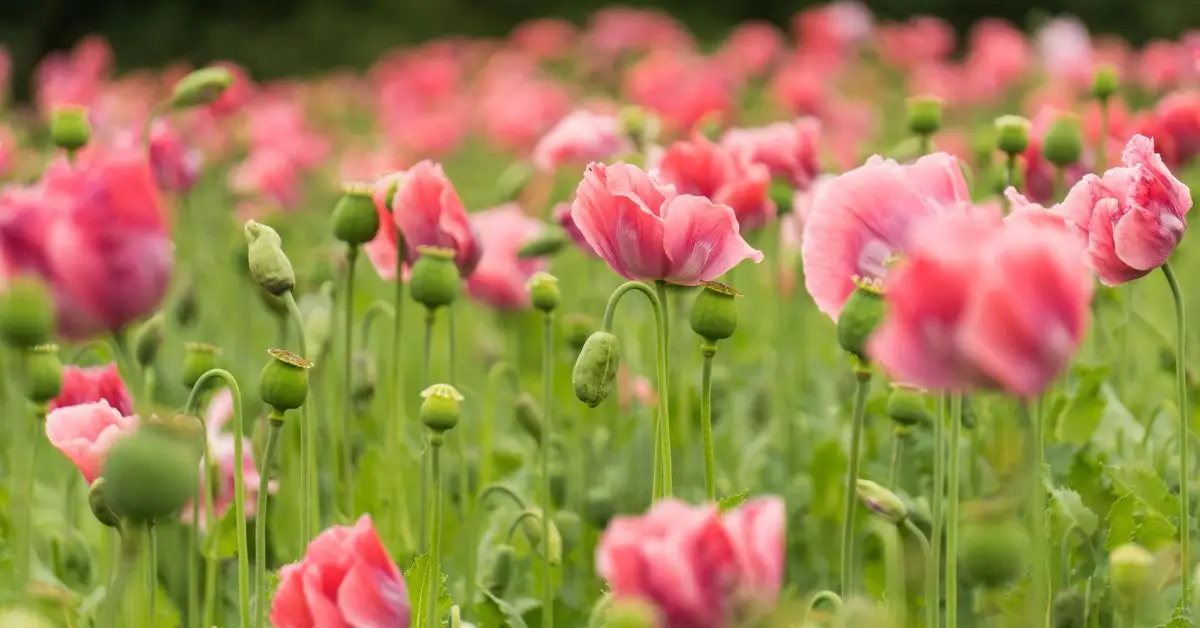
Scientists from the University of Copenhagen and British partners have identified wildflowers most beneficial to pollinators like bees and hoverflies, while also appealing to the human eye — paving the way for more effective support of biodiversity.
New Research Offers Needed Answers for Supporting Pollinators
Across Europe and beyond, there’s growing concern over declining pollinator populations — bees, hoverflies, and other vital insects that play a crucial role in ecosystems and agriculture. Yet despite the public enthusiasm for planting wildflower gardens and converting lawns into flower strips, questions remain about which flowers are genuinely most effective in helping these pollinators thrive.
Researchers at the Natural History Museum of Denmark at the University of Copenhagen, in collaboration with the National Botanical Garden of Wales, have now delivered the first scientific study comparing commercially available flower seed blends and measuring their actual appeal to pollinators. The team evaluated over 400 existing scientific papers and then conducted field tests on their own specially developed blends.
Top Flowers for Bees and Humans
After extensive analysis and trials, the researchers created two new seed mixes that include both native and non-native flowering plants. These blends were judged not only on how many insects they attracted, but also on how visually appealing the flowers were to people — a key detail given that aesthetic joy often determines what homeowners and municipalities choose to plant.
The findings revealed that diversity is key: flower mixes that combine native and non-native species tend to thrive longer, offer an extended bloom period, and attract significantly more pollinators. Moreover, these mixed-species beds were also rated most attractive to the human eye.
Based on the study, the researchers recommend focusing on the following 10 flowers when composing seed blends:
- Yarrow (Achillea millefolium)
- Field Mayweed (Anthemis arvensis)
- Cornflower (Centaurea cyanus)
- Purple Viper’s Bugloss (Echium plantagineum)
- Corn Marigold (Glebionis segetum)
- Common Poppy (Papaver rhoeas)
- Charlock Mustard (Sinapis arvensis)
- Scentless Chamomile (Tripleurospermum inodorum)
- Cosmos (Cosmos bipinnatus)
- Moroccan Toadflax (Linaria maroccana)
Even Small Urban Gardens Can Make a Big Difference
One important dimension of the project was the inclusion of aesthetics; researchers knew that for their recommendations to be followed, the plants had to excite human observers, not just bees. This approach aligns with a growing movement toward turning urban spaces and backyard lawns into more biodiverse environments.
Urban gardens, no matter how small, can serve as important refuges for pollinators. Research from the University of Copenhagen has found that city areas, despite lacking in large natural habitats, can actually support a wide array of edible and nectar-rich plants. A 2024 statistic from the Danish Environmental Protection Agency shows that Denmark has already lost 50% of its wildflower meadows in the past century — making urban efforts all the more critical.
Helping Pollinators Starts at Home
Pollinators play a crucial role not just in wild ecosystems but also in sustaining agriculture. Globally, 75% of major food crops depend at least partially on insect pollination. As such, efforts to support pollinators can directly influence food security alongside biodiversity conservation.
The researchers behind this study hope their evidence-based findings will guide a wide range of individuals and institutions — from private homeowners to city planners and seed companies — to make informed choices when composing flowerbeds and seed blends.
By increasing the diversity and duration of flowering in cultivated spaces, and by valuing species that are visually and ecologically rewarding, society can take meaningful steps to halt pollinator decline.
What begins as a simple city flowerbed could, in fact, be one of the small but powerful solutions to today’s growing ecological challenges.