A popular hiking path along Denmark’s windswept west coast is collapsing due to erosion, leaving locals calling for better warning signs before accidents happen.
Weather Eats Away at Lønstrup Cliff
Along the coast near the town of Lønstrup, one of the country’s scenic walking trails is being slowly devoured by the sea and storms. The high sandy cliffs here, much like the nearby Bulbjerg cliff, have been battered by waves and rain for centuries, but locals say erosion is now moving dangerously close to the trail often used by tourists.
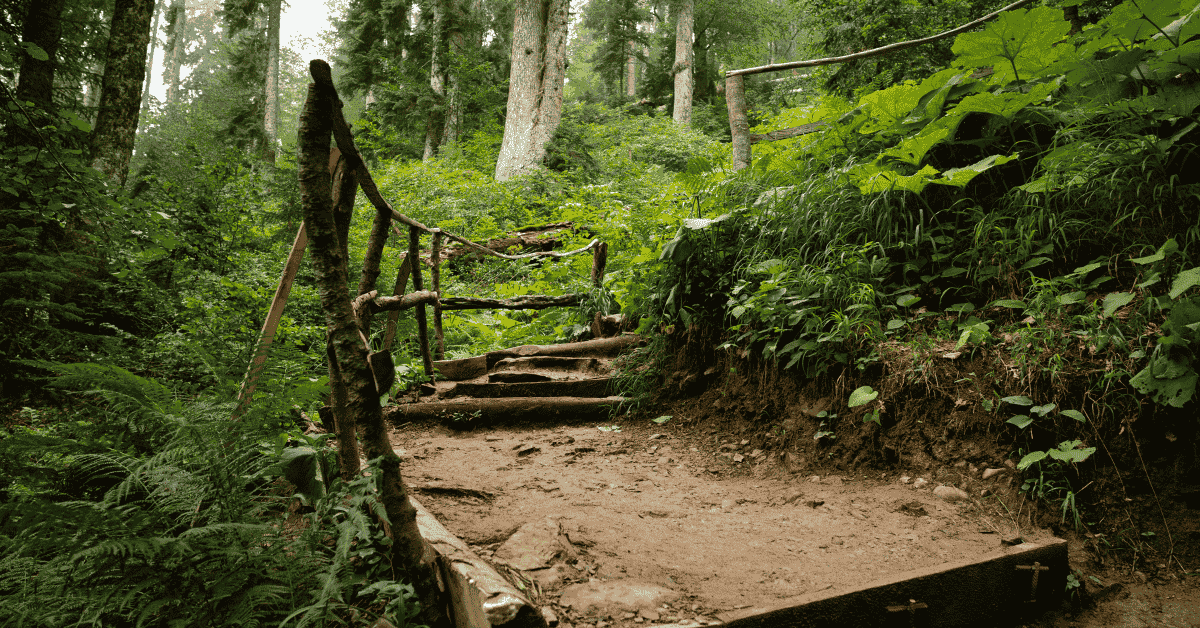
At first glance, the wide dirt path along the top of the cliff seems safe. Yet every year parts of it collapse without warning. For many visitors drawn to the stunning North Sea views, the edge appears stable. In reality, the ground underneath is crumbling faster than before, particularly after wet and windy seasons.

The cliffs tower up to 70 meters above the beach. They consist mostly of loose sand and clay, which makes them especially unstable when soaked by heavy rain. Coastal engineers say winter storms speed up the process, with sections of the cliff sliding toward the sea as the ground weakens.
Locals Fear for Tourists’ Safety
People who live in the area often see visitors wandering too close to the edge. Because not all sections have fences or warning signs, the danger is easy to underestimate. According to residents, some strollers follow the most visible path even though parts of it hang only a few steps from the drop.
In recent months, several minor landslides have occurred along the Lønstrup cliff, and emergency crews have been called out more than once to rescue people stranded halfway down. Locals argue that warning signs are scattered and confusing, giving a false sense of safety.
Flemming Secher Boye, a local building engineer and resident, has raised the issue repeatedly. He believes better signs and clearer boundaries could help prevent fatal accidents.

Authorities Search for a Solution
Local politicians from Hjørring Municipality have now taken a closer look at the problem. Søren Homann, chair of the municipality’s Technical and Environmental Committee, recently visited the area together with locals to assess the situation.
Homann admits that fencing is not a practical solution along several kilometers of sandy cliff. Any attempt to build barriers close to the edge risks collapsing into the sea as the ground gives way. Instead, the municipality is exploring options such as better-marked detours and informational boards warning visitors of the unstable terrain.
During the inspection, officials noted that while a few parts of the trail already have wires or barriers, many stretches remain completely unmarked. On busy days, hundreds of visitors walk those paths unaware that they could be standing above a hollow patch of ground.
Changing Climate Makes It Worse
Stormier winters and heavier rainfall are intensifying the erosion. Experts describe the process as similar to pouring water over a sandcastle—the saturated sand eventually falls apart. When mild winter temperatures fail to freeze the ground, the cliffs become even more fragile.
Because of that, locals expect more collapses in the coming years unless preventive steps are taken soon. While most tourists act responsibly, officials say natural curiosity sometimes pushes visitors too far.
For now, the hope is that better signs and awareness campaigns will encourage hikers to stay back from the edge. Meanwhile, authorities continue to weigh how to balance access to Denmark’s dramatic coastline with the need for safety.

Without a doubt, these cliffs remain one of the most striking landscapes in Northern Jutland. But as locals point out, the raw beauty of the Danish west coast demands respect. The forces that shaped it are still at work, silently reclaiming land piece by piece.
Sources and References
The Danish Dream: Bulbjerg – Denmark’s Majestic Limestone Cliff
The Danish Dream: Travel Insurance in Denmark
DR: Populær sti bliver revet væk af vejret – lokale håber på bedre skiltning