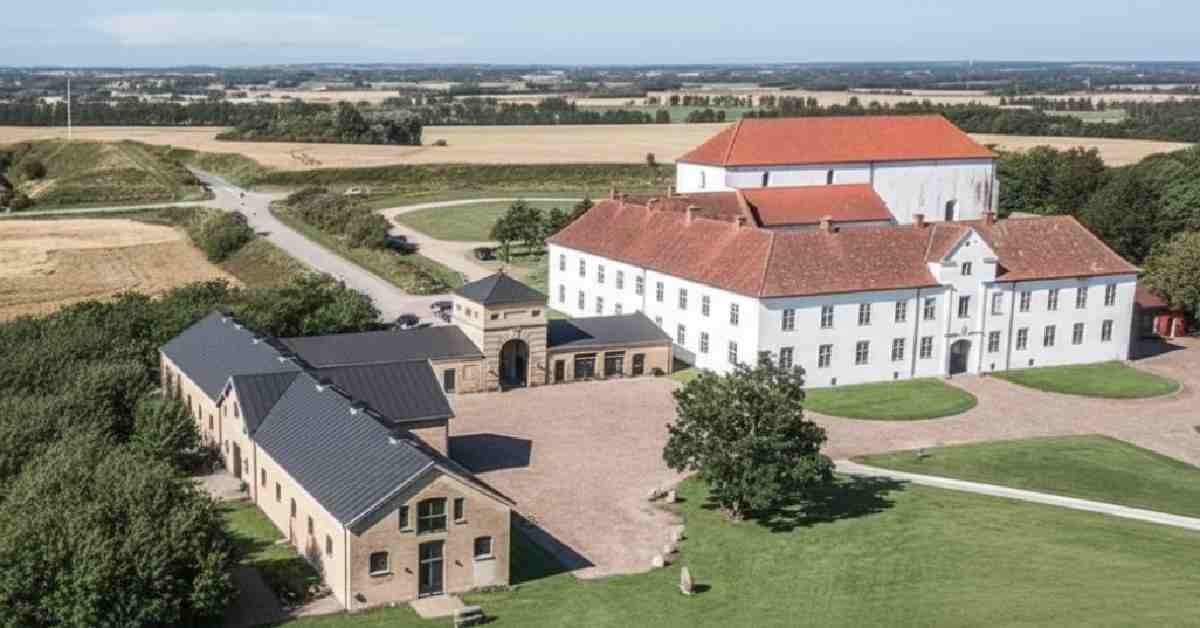
Borglum Abbey in Northern Jutland stands as a beacon of Denmark’s rich medieval history and religious significance. Often referred to as Børglum Kloster, it dates back to the 12th century, marking it as one of Denmark’s most storied monastic sites. Initially founded as an Augustinian monastery, it later transitioned into a Premonstratensian abbey in 1220. This transformation was not just a change in religious order. It signified a period of growth and increased influence, as Børglum became a significant ecclesiastical center in Denmark.
The abbey served as the seat of the bishopric of Børglum, exerting substantial religious and political influence on the surrounding region. This was until the Reformation in the 16th century, when the property was secularized. Moreover, the abbey was at its zenith during the Middle Ages, with its influence extending throughout Vendsyssel. It was a hub of economic and religious activity, housing up to 30 canons at its peak.
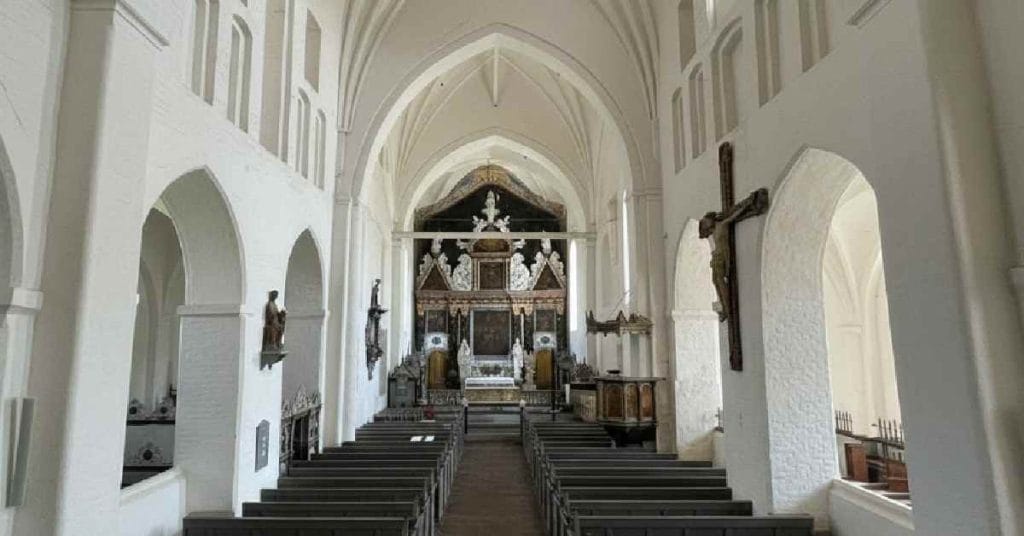
I loved viewing its Romanesque and early Gothic styles. They made me wonder about the artistic endeavors and technical skills of the builders of that era. The church itself is a splendid showcase of Romanesque art, characterized by its simple yet powerful form and complex stone carvings. If you want a contrasting architectural marvel, you can check the Baroque style of Sostrup Castle.
Architectural Marvels, Cultural Heritage, and More
One of the abbey’s most compelling aspects is its architectural design, which has survived the rigors of time. The remaining structures, including the church, display the craftsmanship and architectural innovation of the medieval period. Another crucial attraction within the complex is the Chapel of the Holy Cross. It is known for its historical frescos and religious iconography, painted in the 16th century.
Børglum Abbey also plays a significant role in Denmark’s cultural narrative, having served as an influential center for education and religious thought. The abbey’s library and scriptorium were once thriving centers of learning, contributing to the development of literature and the preservation of knowledge. This was during a time when such resources were scarce.
Borglum Abbey in Modern Culture
In contemporary times, Børglum Abbey continues to capture the imagination, partly due to its appearances in various cultural works. Notably, it featured prominently in the Danish television series “1864,” which brought its historical allure to a broader audience. This exposure has rekindled interest in the abbey, drawing both tourists and historians eager to explore its mysteries and marvels.
Borglum Abbey: A Journey Through Time
How to Get There
Børglum Abbey is conveniently located in the Hjørring Municipality, making it accessible from major cities in the region. If you’re traveling by car, the abbey sits approximately 45 kilometers north of Aalborg, and it can be reached via well-marked roads. For those relying on public transportation, trains and buses regularly connect to nearby Løkken, from where it’s a short taxi ride to the abbey grounds.
It’s important to check local schedules, as bus frequency may vary depending on the season, especially during winter months when fewer tourists visit the region. Alternatively, cycling is a popular option, as the scenic Danish countryside offers a rewarding experience for avid cyclists.
When to Visit
Børglum Abbey is open to visitors most of the year, but opening hours can vary with the seasons. The abbey typically welcomes guests from around mid-April to mid-October, which are also the best months to experience the natural beauty surrounding the site. During this period, the abbey is open daily, generally from 10 AM to 5 PM.
For those looking to avoid crowds, consider visiting in May or September. These shoulder months offer a balance of pleasant weather and fewer tourists. Meanwhile, the abbey’s winter schedule often includes reduced hours, aligning with the region’s inclement weather.
Special Events and Amenities
Børglum Abbey is alive with events throughout the year, celebrating its rich cultural heritage. Attend one of the seasonal concerts or art exhibitions that are held within the abbey’s confines.
Visitors will also find a café on-site, offering light refreshments and traditional Danish pastries. Enjoying a cup of coffee while overlooking the scenic landscapes of the Vendsyssel region is a perfect way to conclude your visit.
Additionally, a gift shop is available, featuring an array of items including books, local crafts, and souvenirs that commemorate your visit to Børglum Abbey. Finding the perfect memento is easy, with offerings that cater to various tastes.
Conclusion
From its origins as an Augustinian monastery to its prominence as a Premonstratensian abbey, Børglum Abbey embodies rich Danish history in both stone and spirit. Today, it continues to be a vibrant cultural hub, inviting all who step through its gates to go into the mysteries of its hallowed halls and scenic landscapes.
Frequently Asked Questions about Borglum Abbey
1. What is the best time of year to visit Borglum Abbey?
The best time to visit is during the warmer months from mid-April to mid-October, when the abbey is fully open and the surrounding landscapes are most breathtaking. Visiting in May or September will help avoid the peak summer crowds while still enjoying pleasant weather.
2. Is Botglum Abbey accessible for people with disabilities?
The abbey strives to accommodate visitors with disabilities. But due to its historical nature, some areas might be less accessible than others. Contact the abbey directly to discuss specific needs and to find out how best to access the site.
3. Are there dining options at Borglum Abbey?
Yes, there is a café on-site offering refreshments and traditional Danish pastries. It’s an excellent spot to relax and enjoy the views of the surrounding countryside after your tour.
4. What events can I attend at Borglum Abbey?
Throughout the year, Borglum Abbey hosts concerts, art exhibitions, and cultural festivals that highlight its historical and cultural significance. These events are perfect opportunities to experience the abbey in a unique light.