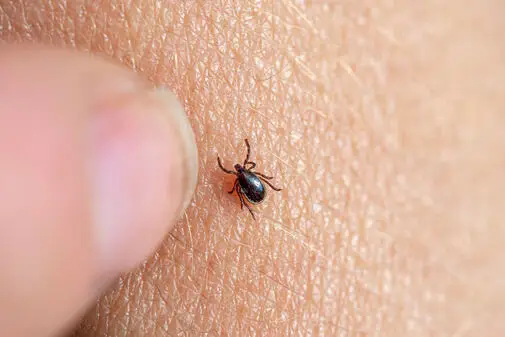
Hundreds of Danes have developed a rare meat allergy after being bitten by ticks. For 74-year-old Kim Skipper, the diagnosis means no more traditional pork roast at Christmas.
A Bite That Changed Everything
A single tick bite during a summer trip to Jutland turned Kim Skipper’s life upside down. Three years later, the retired Dane still feels the consequences. The bite infected him with alpha-gal, a sugar molecule found in mammals, making him allergic to all meat from four-legged animals.
Each Christmas Eve, while his family enjoys roast pork, Kim brings his own sauce to avoid even trace amounts of meat drippings that could cause an allergic reaction. He can eat poultry and fish without issues, but anything from pigs, cows, or lamb could send him into a dangerous reaction that includes swelling and intense rashes.
Symptoms That Don’t Add Up
When Kim first suffered symptoms, he had no idea they were related to his diet. After attending a wedding and eating both beef and pork, his body reacted violently hours later. He woke up covered in itchy welts, his face swollen to the point of being unrecognizable. A visit to the doctor revealed nothing unusual, because most allergy tests at the time didn’t screen for alpha-gal syndrome.
It took months of recurring reactions and online research by a friend before Kim learned that his condition was linked to the tick bite. Because symptoms appear two to six hours after eating meat, many people fail to connect their reactions to food.
Understanding Alpha-Gal Syndrome
Alpha-gal (short for galactose-α-1,3-galactose) naturally occurs in red meat from non-primate mammals. When introduced into the human body through a tick bite, it can trigger the immune system to produce antibodies against it. The next time the person eats red meat, those antibodies create a delayed allergic response.
While alpha-gal syndrome has been recognized in the United States for over two decades, Denmark only began recording cases around the 2010s. Hundreds of Danes are now believed to be affected. The reaction can vary from mild itching and stomach pain to full anaphylaxis requiring emergency treatment.
Interestingly, those affected can still enjoy chicken, duck, and fish. The mix of what one can or cannot eat leaves many doctors puzzled, as the allergy behaves differently from other food allergies that typically cause immediate reactions.
Growing Awareness in Denmark
Researchers at Bispebjerg Hospital in Copenhagen continue studying this unusual allergy. They note that Denmark’s tick population has spread nationwide, partly due to warmer weather. That means anyone spending time in forests or grassy areas should take precautions, such as wearing long pants and checking for ticks after outdoor activities.
The Danish healthcare system is well-equipped to help patients manage chronic conditions and allergies. Those who experience unexplained allergic reactions can contact their doctor or learn more through guides like Danish healthcare. For foreigners or expats living in Denmark, supplemental coverage may also be useful. Plans for that are discussed in best health insurance for foreigners in Denmark.
Hope Over Time
Doctors say that if patients avoid both further tick bites and red meat, their allergic sensitivity can decrease gradually. However, reactions may still occur after several years of avoiding meat. Severe cases might require carrying an adrenaline auto-injector in case of anaphylaxis.
For Kim, the lifestyle adjustment has become part of his routine. While he misses classic Danish favorites like roast pork sandwiches, he has learned to appreciate other dishes. Every Christmas he still enjoys family traditions, just with a personal sauce on his plate and peace of mind that he’ll stay safe.
Sources and References
The Danish Dream: Danish Healthcare Explained for Tourists & Expats
The Danish Dream: Best Health Insurance for Foreigners in Denmark
DR: Kim blev bidt af en flåt og fik kødallergi: må undvære flæskesteg i aften