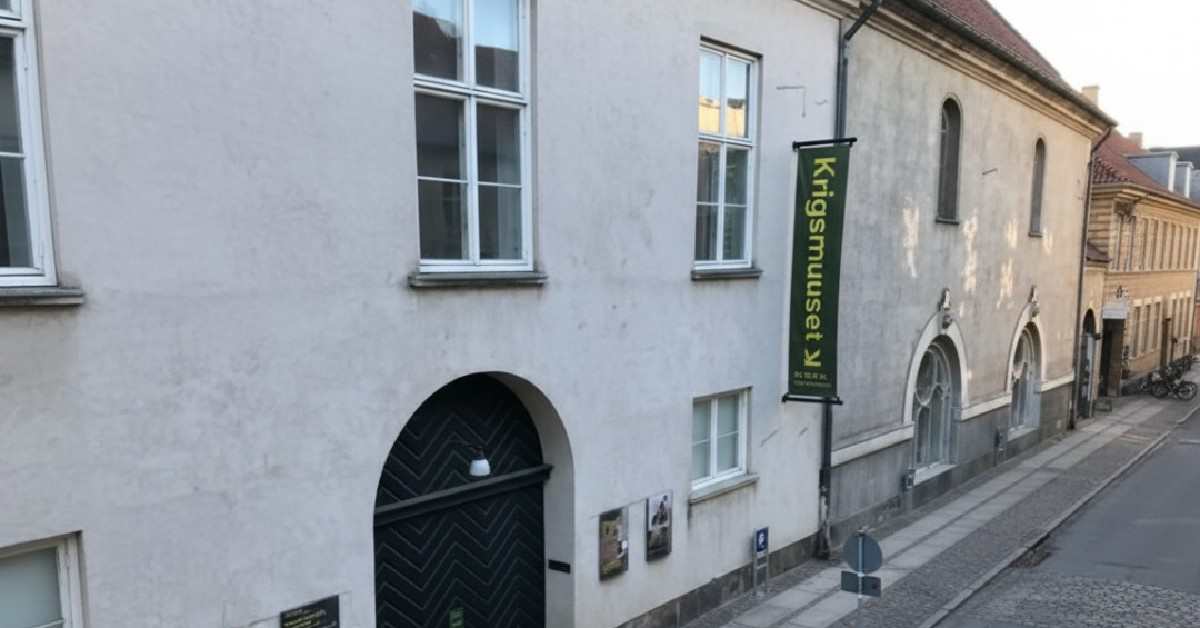
The Royal Danish Arsenal Museum, now officially called Krigsmuseet, holds one of Europe’s finest weapons collections inside a 400-year-old Renaissance hall built by Christian IV. Here is what expats need to know before visiting.
What Is The Royal Danish Arsenal Museum?
The Royal Danish Arsenal Museum, known in Danish as Tøjhusmuseet, sits on Slotsholmen in central Copenhagen. Since 2018, the institution operates under the name Krigsmuseet, or the Danish War Museum. The collection still carries its old royal arsenal identity.
I have walked through this place several times over the years. Each visit, the sheer scale of the Arsenal Hall stops me again. It is hard to believe a 1604 building still holds together so beautifully.
A Quick Snapshot for Visitors
The museum tells Denmark’s military story from the 1500s to today. It belongs to the Danish Ministry of Defence and operates as a state museum. As stated by the official site krigsmuseet.dk, the collection holds tens of thousands of objects.
Expect cannons, muskets, sabres, uniforms, and artefacts from every war Denmark has fought. The building itself is arguably the main attraction. The Arsenal Hall stretches 163 metres, making it one of Europe’s longest Renaissance halls.
The History Behind The Royal Danish Arsenal Museum
King Christian IV commissioned the building between 1598 and 1604. He wanted a modern naval arsenal next to his harbour at Slotsholmen. The structure was part of a larger complex called Tøjhushavnen.
The ground floor stored cannons for the Danish navy. The upper floor held the Royal Library’s books for centuries. As noted by the National Museum of Denmark, the building survived fires, sieges, and the British bombardment of Copenhagen in 1807.
From Royal Arsenal to Public Museum
The Tøjhusmuseet opened to the public in 1838, not 1928 as some sources state. It became one of the oldest weapons museums in the world. The collection grew through royal donations and military reorganisations.
In 2018, the museum merged with the Garrison Library and rebranded as Krigsmuseet. The name change reflects a broader focus on war, conflict, and Danish defence policy. The Royal Danish Arsenal Museum identity, however, still defines how international visitors find it online.
Inside The Royal Danish Arsenal Museum: What You Will Actually See
The Arsenal Hall on the ground floor is the showstopper. Rows of historic cannons line the floor in perfect symmetry. Vaulted brick ceilings echo every footstep, and the lighting feels almost theatrical.
The upper floor, called the Cannon Hall, houses the firearms and edged weapons collection. Display cases hold flintlocks, wheel-lock pistols, hunting rifles, and modern assault weapons. As reported by Visit Copenhagen, the firearms collection is among the largest in Northern Europe.
Highlights That Stand Out
Several pieces are worth slowing down for. The collection includes weapons captured during the Schleswig wars of 1848 and 1864. Those conflicts still shape Danish identity today, as I have learned living here.
You will also find artefacts from World War II and the Danish resistance movement. King Christian X figures prominently in this section. There are also exhibits on Denmark’s role in NATO missions in Iraq and Afghanistan.
The Collection by the Numbers
Here is a quick breakdown of what the museum holds, based on official figures:
- Cannons and artillery pieces: over 300, dating from the 1500s to the 1900s
- Firearms: roughly 10,000 individual weapons
- Edged weapons: swords, sabres, bayonets, totalling several thousand items
- Uniforms and equipment: hundreds of complete sets from the 1700s onward
- Documents and photographs: archives covering 400 years of Danish military life
These numbers put the museum among Europe’s most significant defence collections. For comparison, the Royal Armouries in Leeds holds about 70,000 objects. The Tøjhusmuseet collection is more focused but no less impressive.
Why The Royal Danish Arsenal Museum Matters for Expats
If you live in Denmark, this museum helps you understand the country better. Danish foreign policy is shaped by centuries of lost wars and shrinking borders. You cannot really grasp modern Danish identity without that context.
I bring visiting friends here precisely for this reason. The 1864 defeat to Prussia is the single most formative event in modern Danish history. The museum dedicates serious space to explaining it.
A Lesson in Danish Pragmatism
Denmark went from a North Sea empire to a small nation in 200 years. The museum tells that story without flinching. Defeat, occupation, and reinvention are recurring themes.
This explains a lot about Danish political culture today. The pragmatism, the consensus-seeking, the deep suspicion of grand military ambition all trace back to these losses. As an expat, walking through these halls clarifies why Danes vote the way they do.
Planning Your Visit to The Royal Danish Arsenal Museum
The museum sits at Frederiksholms Kanal 29, in the 1220 postal district. It is a five-minute walk from Christiansborg Palace and ten minutes from Nørreport. Plan for at least two hours, more if you read every label.
Opening hours run Tuesday through Sunday, 12:00 to 16:00. The museum is closed Mondays and on major Danish holidays. Always check krigsmuseet.dk before visiting, as hours change seasonally.
Tickets and Pricing
Current ticket prices are straightforward, but they do change. Here is what to expect in 2026:
- Adults: approximately 95 DKK
- Students and seniors: reduced rates with valid ID
- Children under 18: free entry
- Copenhagen Card holders: free admission included
I always recommend the Copenhagen Card for visiting expats hosting family. It covers this museum plus dozens of others. Combined with free public transport, the math works out fast.
How to Get There
The closest metro stop is Gammel Strand on the M3 City Ring line. From there, it is a four-minute walk across the bridge to Slotsholmen. Christianshavn metro station is also a reasonable option.
Most Copenhageners cycle here, of course. The harbour cycle lanes connect directly to Slotsholmen, and bike racks line the museum’s exterior. If you are new to cycling in Copenhagen, this is a gentle starting route.
Best Time to Visit The Royal Danish Arsenal Museum
Weekday mornings just after opening are quietest. Saturdays after lunch can get busy, especially in summer. The museum sees around 100,000 visitors a year, which sounds modest but feels significant in tighter exhibition spaces.
May through September brings the longest daylight and the most pleasant walk through Slotsholmen afterwards. Winter visits have their own appeal, though. The cold brick interior pairs oddly well with grey Danish weather.
Combine It With Other Slotsholmen Sights
Slotsholmen is Copenhagen’s political and historical core. Christiansborg Palace, the Danish Parliament, and the Royal Stables all sit within a five-minute radius. Make a day of it if you can.
The Black Diamond, the Royal Library extension, is also nearby on the harbour. For a deeper itinerary, look at must-visit museums in Copenhagen to plan a full route.
The Royal Danish Arsenal Museum vs Other Danish History Museums
Denmark has several excellent history museums, and they each serve a different purpose. Here is how the Arsenal Museum compares:
- The Royal Danish Arsenal Museum: military history, weapons, Danish defence
- National Museum of Denmark: broad cultural and prehistoric collections
- Roskilde Viking Ship Museum: Viking maritime heritage
- Aalborg Historical Museum: regional history of North Jutland
- Lindholm Høje Museum: Viking and Iron Age burial site
For pure military depth, nothing in Denmark rivals Krigsmuseet. The National Museum covers war too, but only as one thread among many. Choose Tøjhusmuseet if weapons, conflict, and defence policy interest you most.
Practical Tips From Someone Who Has Been Many Times
A few things I have learned from repeated visits. First, the lighting in the Arsenal Hall is dim by design, so bring your phone for reading small labels. Second, the gift shop has surprisingly good books on Danish military history in English.
Strollers and wheelchairs can navigate the ground floor without issue. The upper floor requires stairs, and there is no lift to all sections. Families with very young children may find the weapons unsettling, so use judgement.
Photography and Etiquette
Photography is allowed without flash throughout the museum. Tripods and selfie sticks are not permitted in the exhibition halls. Staff are generally relaxed but firm about touching the cannons, which still happens daily.
Food and drink stay in the small café area near the entrance. The café itself is basic but functional, with the usual Danish coffee and pastries. For a proper lunch afterwards, head to Copenhagen’s food markets nearby.
External Resources Worth Bookmarking
For deeper research, several sources go beyond what fits in any single article. The official museum website at natmus.dk/krigsmuseet publishes detailed exhibition catalogues. Visit Copenhagen also maintains a useful practical guide.
Academic readers should check the Garrison Library catalogue, now integrated with Krigsmuseet. It holds rare military publications dating back to the 1600s. Access is free but requires booking ahead.
Frequently Asked Questions About The Royal Danish Arsenal Museum
Is The Royal Danish Arsenal Museum the same as Krigsmuseet?
Yes. The Royal Danish Arsenal Museum, Tøjhusmuseet, and Krigsmuseet all refer to the same institution. The name was officially changed to Krigsmuseet, the Danish War Museum, in 2018. The collection and location remain unchanged.
How much time should I spend at the museum?
Plan for at least two hours to see the main exhibitions properly. Enthusiasts of military history can easily spend half a day. The Arsenal Hall alone deserves 30 to 45 minutes of slow walking.
Is the museum suitable for children?
The museum is family-friendly and offers interactive elements for older children. Younger kids may be unsettled by some exhibits showing weapons in active use. Children under 18 enter free of charge with an accompanying adult.
Can I visit The Royal Danish Arsenal Museum on Mondays?
No, the museum is closed every Monday. It opens Tuesday through Sunday, typically from noon to 4 PM. Always confirm current hours on krigsmuseet.dk before your visit.
Is photography allowed inside?
Yes, non-flash photography is allowed throughout the exhibitions. Tripods and professional camera gear require prior permission from the museum. Personal photos for social media are welcome.
How does the museum compare to other European military museums?
The Royal Danish Arsenal Museum focuses tightly on Danish military history within a uniquely preserved Renaissance arsenal. It is smaller than the Imperial War Museum in London but architecturally far more authentic. The building itself is the rarest exhibit.
Are guided tours available in English?
Yes, English-language guided tours can be booked in advance through the museum. Group rates apply for parties of ten or more. Self-guided audio options are also available at the entrance.
Final Thoughts on The Royal Danish Arsenal Museum
The Royal Danish Arsenal Museum is one of those rare Copenhagen attractions that overdelivers on every visit. The building, the collection, and the quiet weight of Danish history all combine here. It is not flashy, and it does not try to be.
For expats settling into Denmark, this museum offers context you cannot get from a textbook. The country’s defence posture, its NATO loyalty, its careful neutrality all start making sense. Spend an afternoon at Tøjhusmuseet, then walk out into modern Copenhagen and notice how differently you see the place.