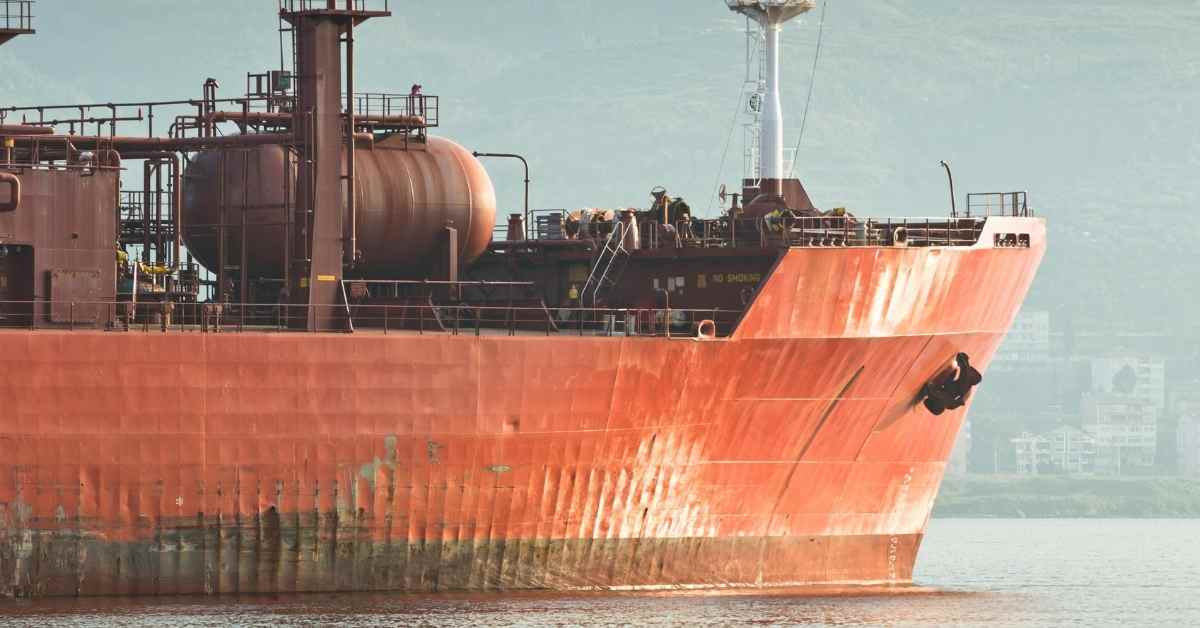
Seventeen Danish industries are now crossing their fingers that the Strait of Hormuz stays open, as new analysis shows oil makes up more than half their energy consumption. The closure since February has sent prices soaring and exposed how dependent much of Danish business remains on fossil fuels.
When Iran’s parliament voted to allow its navy to close the Strait of Hormuz, it wasn’t just a regional security issue. For Danish shipping companies, trucking firms, farmers, and construction workers, it became an existential threat. The waterway carries a huge share of the world’s oil, and when it shuts, Danish fuel bills explode.
I’ve watched Denmark talk about green transition for years. But this crisis lays bare how far we still have to go. A new analysis from the Labour Movement’s Economic Council shows that 17 out of 69 Danish industries still get more than half their energy from oil. When that oil can’t get through Hormuz, those industries are in trouble.
Shipping and Aviation Bear the Brunt
Shipping and aviation are the most exposed. Their energy consumption is almost entirely oil based. There’s no quick fix when bunker fuel costs spike 40 percent. Building and construction, fishing, and forestry aren’t far behind, with oil making up between 87 and 93 percent of their energy use.
These aren’t small niche sectors. They’re foundational parts of the Danish economy. And right now, they’re watching oil prices yo-yo based on whether Iran decides to open the strait for a few days or slam it shut again.

Sofie Holme Andersen, chief economist at AE, told Ritzau that some industries are literally crossing their fingers for the new US-Iran deal to hold. That’s not a strategy. That’s hope. And hope doesn’t pay the diesel bill.
Industry Looks Better, But Only Because It Already Changed
There’s a silver lining, though it’s not exactly comforting. Danish industry is relatively well positioned because it has already shifted much of its energy consumption to electricity. Only two of the 17 most oil dependent sectors are in manufacturing.
That didn’t happen by accident. It happened because companies invested in electrification and renewable power. And now, when oil prices shoot up, those firms aren’t as exposed. Andersen is right to point out that green transition isn’t just climate policy. It’s a competitive advantage when the world goes sideways.

But that advantage only helps if you’ve already made the switch. For the 17 industries still burning oil, the transition can’t happen fast enough. And in the meantime, they’re bleeding money.
The Bill Keeps Growing
Dansk Erhverv estimates that Danes are paying up to 3 billion kroner extra per month for oil and gas because of high energy prices. Over the course of 2026, the Mideast war and Hormuz crisis could cost the Danish economy up to 113 billion kroner. That’s not an abstract number. It’s lost wages, shuttered businesses, and higher prices at the pump and the supermarket.
A recent survey found that over 70 percent of Danish companies either already feel the impact or fear it’s coming. Higher transport costs. More expensive raw materials. Energy bills that don’t make sense anymore.

I’ve talked to expats working in logistics and freight. They’re watching their margins disappear. And for those of us living here on foreign income or savings, rising prices hit just as hard. Denmark’s high cost of living just got higher.
Denmark Joins the Military Response
Denmark has now backed a French-British declaration calling for immediate and unconditional reopening of the Strait of Hormuz. The government has also signaled it will contribute to a defensive maritime mission to protect commercial shipping once a framework is in place.
Foreign Minister Lars Løkke Rasmussen said Denmark will help ensure safe passage through Hormuz. The likely contribution? Staff officers, not warships. It’s a modest commitment, but it shows Denmark recognizes this isn’t someone else’s problem.

Danish Shipping welcomed the move. They need stable sea routes, and they need them now. But a military operation is only a stopgap. It doesn’t fix the underlying issue, which is that much of the Danish economy still runs on fuel that comes through a chokepoint controlled by hostile powers.
The Real Lesson
This crisis should be a wake-up call. The 17 industries that depend on oil aren’t going to electrify overnight. But every month that Denmark delays investment in renewable energy and infrastructure is another month those sectors remain vulnerable.
Andersen from AE put it plainly. Investments in green transition show up on the bottom line. They also increase supply security. For a small, trade dependent nation like Denmark, that’s not optional. It’s survival.

The irony is that Denmark has the wind, the technology, and the political will to lead on this. But political will doesn’t mean much if the trucking industry can’t afford diesel and the fishing fleet stays docked because fuel costs more than the catch.
I’ve lived in Denmark long enough to know that change here is often slow and consensus driven. But the Strait of Hormuz doesn’t care about Danish consensus. It’s either open or it’s not. And right now, 17 industries are holding their breath.
Sources and References
Ritzau: Her krydser de fingre for et varigt åbent Hormuz-stræde: 17 brancher er særligt sårbare
The Danish Dream: How to Get from Copenhagen Airport to City Center
The Danish Dream: Denmark’s New Strategy for Offshore Wind Energy
The Danish Dream: Danish Economy is Growing Yet One Thing Can Spoil It