More than 80 percent of the Sun will be covered by the Moon over Denmark on Wednesday evening. The partial solar eclipse peaks shortly after 8 p.m.
A strong solar eclipse reaches Denmark on the evening of Wednesday, August 12, according to a Ritzau report published by Avisen Danmark. The eclipse begins in Denmark a little after 7 p.m. and ends shortly before 9 p.m.
Coverage peaks between 8:01 p.m. and 8:05 p.m., per the same report. More than 80 percent of the Sun will be hidden behind the Moon, which makes this a partial eclipse and not a total one.

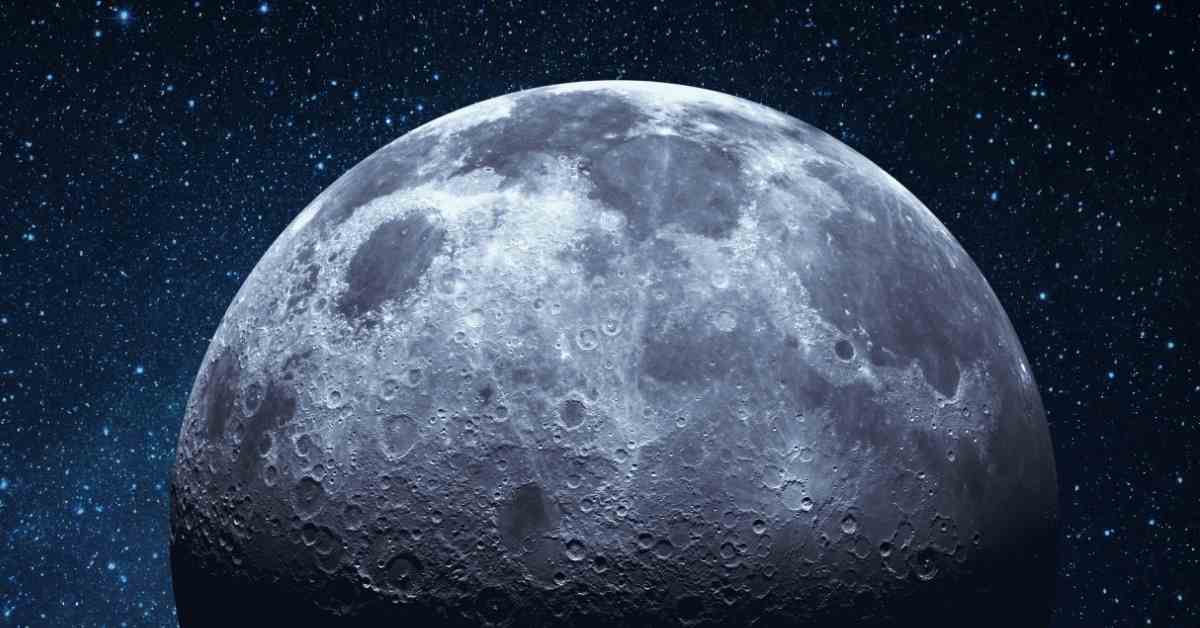
A solar eclipse occurs when the Moon moves between the Sun and Earth and blocks sunlight from reaching parts of the planet. Ritzau notes that there are at least two and at most five solar eclipses somewhere on Earth each year. Seen from one specific location, however, total eclipses are rare.
On average, about 375 years pass between two total solar eclipses at the same place, according to Avisen Danmark, which cites Danmarks Nationalleksikon and Ritzau. Denmark’s most recent total solar eclipse took place in 1851. The next one over the country is expected in 2148.

The Local Denmark described the August 12 eclipse as a big astronomical event in Denmark. As reported by the outlet, no eclipse this visible from Denmark is set to occur again until 2039.
The website dangdi.life reports that Copenhagen’s Round Tower observatory reopens on August 12 during a partial eclipse covering 83 percent of the Sun. That figure differs slightly from the one in the Ritzau report, as coverage depends on the observer’s location.
Four types of eclipse
Avisen Danmark lists four types of solar eclipse. A total eclipse is when the Moon covers the entire Sun, while a partial eclipse, the type occurring on August 12, covers only part of it. An annular eclipse leaves a bright ring, and a hybrid eclipse shifts between total and annular at different places on Earth.
The event falls on a Danish summer evening, with the Sun still well above the horizon during the eclipse window described by Ritzau. Sky conditions vary across the country, and the weather determines how much of the phenomenon is visible from any given spot.

The immediate reason for the coverage is the date itself. The Local Denmark presented the eclipse as a major one-off astronomical event for the country in its listing of the week’s events. Sphere Magazine also included the eclipse among the notable entries on Denmark’s August 2026 calendar.