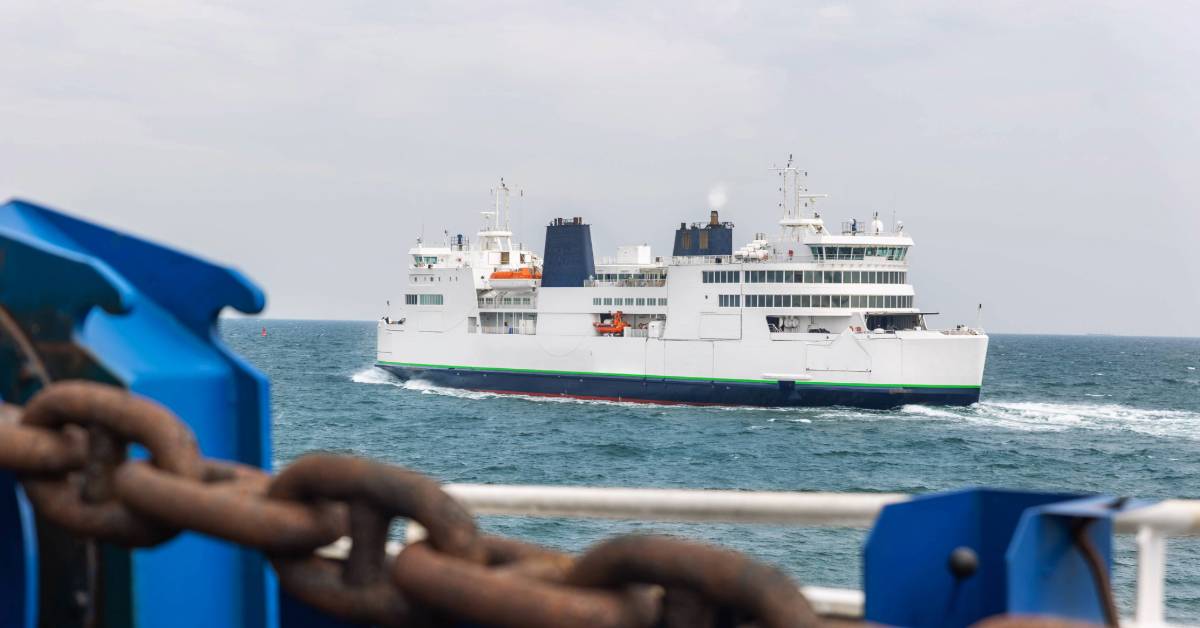
Scandlines suspended normal service on the Gedser–Rostock ferry route Sunday after technical problems with the vessel MF Copenhagen, forcing passengers onto the alternative Rødby–Puttgarden crossing on one of the year’s busiest travel days.
If you’ve ever tried to cross the Baltic on a summer weekend, you know the drill. Long queues, restless kids, the vague anxiety that your ferry might be delayed. Sunday afternoon that anxiety became reality for thousands of travelers when Scandlines announced major disruptions on the Gedser–Rostock route, one of Denmark’s most important links to Germany.
As reported by BT, the ferry operator told passengers to reroute via Rødby–Puttgarden and said it did not expect normal service until around 18:00. The company later confirmed the problem was linked to MF Copenhagen, one of two ferries serving the route. By mid-afternoon Scandlines said it had resolved the issue and restored full capacity.
What actually happened
The company has not disclosed the exact nature of the fault. No mechanical details, no explanation of whether it was safety related, no timeline beyond “problem solved.” That kind of opacity is frustrating but typical. Ferry operators tend to announce disruptions and recoveries without explaining much in between.

What we do know is that MF Copenhagen was out of action for several hours. That left Gedser–Rostock running on reduced capacity, if at all, during peak holiday traffic. Scandlines responded by pushing ticket holders toward the Rødby–Puttgarden crossing, which is the natural backup route. That probably shifted congestion from one terminal to another but kept people moving.
The speed of recovery suggests this was a technical glitch rather than a structural failure. Still, it’s a reminder of how fragile cross-border ferry systems can be. When one vessel goes offline, thousands of passengers feel it immediately.
Why this route matters
Gedser–Rostock is not just a tourist ferry. It carries freight, commuters, and cross-border traffic between Denmark and northern Germany. It’s part of a broader Baltic transport corridor that links Scandinavia to the European road network. When that link breaks, even briefly, the ripple effects can spread to missed connections, delayed deliveries, and frustrated travelers with no plan B.

I’ve used this route more times than I can count. It’s usually reliable, but it’s also inherently vulnerable. Two ferries serve the line. If one has a problem, capacity drops by half. There’s no train alternative, no bridge, no quick workaround. You either wait or you reroute.
Sunday’s disruption happened on what Scandlines itself called “en af årets helt store rejsedage,” one of the year’s biggest travel days. That timing matters. Peak demand means less flexibility and longer delays when something goes wrong.
What passengers can expect
Scandlines has not said whether it will offer compensation or rebooking guarantees. Danish passenger protection rules for maritime transport exist, but they are not as well known as air passenger rights. Most travelers probably just shrugged, grabbed another coffee, and waited.

The company’s response was pragmatic. Reroute where possible, restore service as soon as the vessel is fixed, move on. That works operationally, but it leaves passengers with little clarity about what went wrong or whether it might happen again.
For expats and international travelers, this kind of disruption is a good reminder to build buffer time into cross-border travel plans. Denmark’s ferry network is generally dependable, but it is not immune to technical failures. One vessel problem can cascade into hours of delays, especially during winter or peak summer traffic.
The bigger picture
This incident also raises questions about redundancy and resilience. Scandlines operates multiple routes, which helps, but each route depends on a small number of vessels. That makes maintenance schedules, contingency planning, and rapid response critical. Sunday’s quick recovery suggests the company handled the immediate problem well, but the lack of transparency leaves room for doubt.
Travel to Denmark remains safe and straightforward, but ferry crossings are operationally complex. They depend on aging infrastructure, tight timetables, and vessels that occasionally break down. When they do, passengers pay the price in waiting time and uncertainty.
Scandlines has restored full service. The queues have cleared. But the episode is a useful reminder that cross-border mobility in Denmark relies on systems that are more fragile than they appear.
Sources and References
BT: Scandlines ramt af færgeproblemer på travl rejsedag
BT: Scandlines er tilbage med fuld kapacitet efter færgeproblemer
The Danish Dream: Winter in Denmark for Tourists & Expats
The Danish Dream: Is it Safe to Travel to Denmark?
The Danish Dream: Is Copenhagen Safe for Solo Female Travellers?