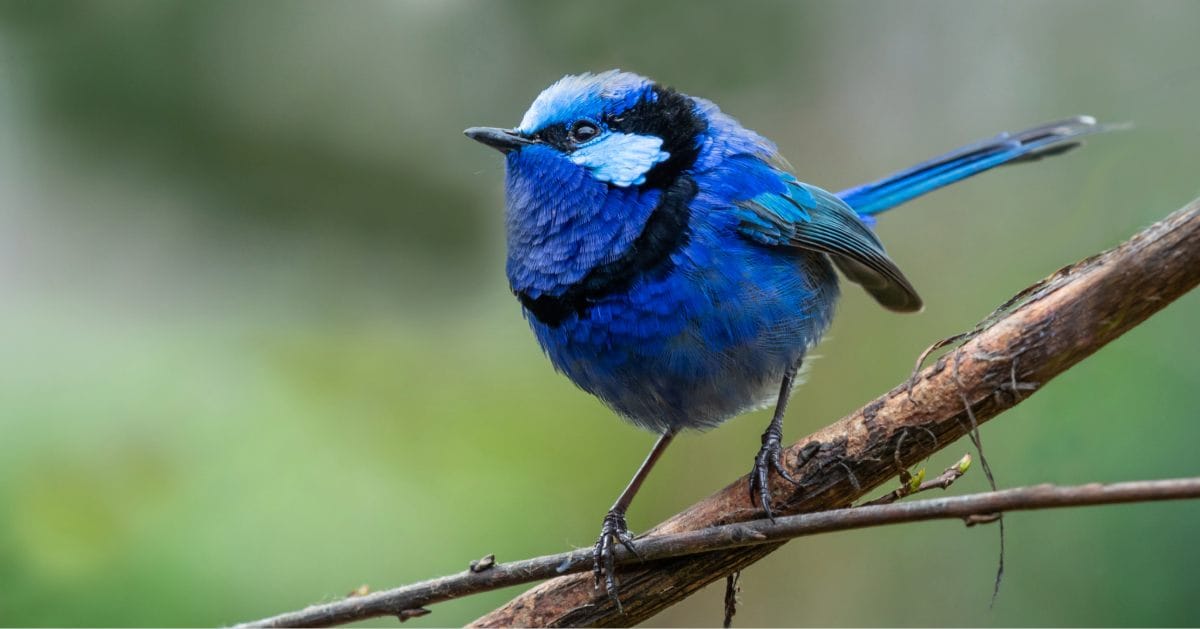
Hundreds of birdwatchers have descended on a quiet Zealand village this week to glimpse a rare dark-eyed junco, sparking a clash between Denmark’s cherished nature access rights and the daily lives of frustrated residents who say their streets have become an impromptu tourist attraction with no legal remedy in sight.
The scene in Rønnebæk, near Næstved, has turned a sleepy residential road into what locals describe as an invasion. Driveways blocked. Strangers peering over hedges. Cars idling for hours. For internationals living in Denmark, the chaos offers a crash course in how Danish “allemandsret” style traditions work in practice, and how little formal protection exists when your front garden becomes a birding hotspot.
When freedom to roam meets your driveway
Danish law grants broad rights to use public roads and paths, even near private property. Under the Road Traffic Act, people may stand on a public street as long as they do not obstruct traffic or create a safety hazard. Polite behaviour is largely a matter of social norms, not enforceable rules.
That leaves residents in a legal grey zone. Trespassing provisions in the Penal Code apply only once someone crosses onto clearly private land without consent or ignores signs like “Adgang forbudt,” which several Rønnebæk households have now installed. Even if your driveway is blocked by birders scanning the treetops, police intervention typically requires proof of danger, serious obstruction, or criminal trespass.

Denmark also lacks a specific legal framework for overtourism in rural villages. Most tools, such as noise rules or temporary parking restrictions, must be requested from the municipality on a case by case basis. For expats, this means navigating a patchwork of local services and emergency numbers rather than a clear set of rights.
Social media turned nature into a spectator sport
The Rønnebæk junco is part of a broader pattern. Over the last three to five years, Danish authorities have documented a marked increase in nature hotspots created by social media, where a single rare sighting triggers sudden surges of visitors. Municipalities and the Danish Outdoor Council report that Instagram, Facebook birding groups, and online message boards can mobilise hundreds of people to a specific field or suburb within hours.
The most recent available figures, from 2023, show that one in three Danes share photos or posts from nature trips online, fueling viral must see spots. VisitDenmark data from 2023 indicate that same day leisure trips to nature areas rose by roughly fifteen to twenty percent between 2019 and 2023, driven by domestic tourism and social media driven visits.
A 2023 survey by the Danish Outdoor Council found that thirteen percent of Danes have experienced conflicts with other users in nature areas, and six percent report conflicts specifically over noise and crowding. Yet there is no systematic national monitoring of conflicts between birdwatchers and residents, despite Denmark having one of Europe’s highest rates of organized birdwatching per capita.

Membership in Dansk Ornitologisk Forening stood at about eighteen thousand in 2023, compared with roughly fifteen thousand a decade earlier. For a population of under six million, that represents a comparatively dense birding community. In Sweden, the national bird society has about sixteen thousand members for a slightly larger population.
Residents say the law offers no answer
Residents in Rønnebæk and similar hotspots point to a lack of crowd management tools when hundreds of people converge on small streets designed for local traffic only. Complaints focus on blocked driveways, noise, litter, and gradual trampling of private fields or hedges, impacts that fall between criminal law and ordinary neighbour disputes.
Some property owners worry that repeated trampling could create de facto access routes over time, complicating future enforcement of private land boundaries. Critics also note that local police districts are already stretched and may view birders as a low priority unless obvious law breaking occurs. For internationals, the uncertainty about what counts as obstruction or considerate behaviour makes it hard to know when to call the police or the municipality.
What birders and conservationists say
Birdwatchers and nature advocates argue that Denmark’s strong access rights and dense road network make it legitimate to stand on public streets to observe rare species, as long as they avoid trespass and serious obstruction. DOF stresses that rare sighting records contribute to national biodiversity monitoring and can inform conservation policy and climate related changes in bird migration.

Enthusiasts also note that a single rare bird can bring economic benefits to local cafés and small businesses through increased footfall, mirroring UK twitcher tourism where pubs and bed and breakfasts actively welcome birders. Some municipalities highlight that nature based micro tourism aligns with green tourism goals and Denmark’s branding as a sustainable destination.
Practical steps for affected residents
Affected residents, including internationals, have three main practical tools. First, property owners can install “Privat område” or “Adgang forbudt” signs to clarify where public access ends. Once signposted, continued entry may fall under Penal Code trespass provisions.
Second, residents can contact their local municipality’s technical and environmental department to request temporary parking restrictions, speed limits, or local traffic measures on small roads. Most municipalities provide English language contact pages and sometimes English language guidance. Third, in urgent situations where driveways are blocked or crowds feel threatening, residents may call police emergency or the non emergency number to report obstruction or suspected trespass, though police are unlikely to act on general irritation alone.

For now, resolving conflicts like the one in Rønnebæk depends more on informal negotiation than on clear rules. Denmark has no equivalent to the visitor management plans and designated viewing areas that Norway and Sweden increasingly use to channel crowds away from private homes when rare animals appear. Birders themselves can reduce tensions by coordinating through DOF or social media groups to set self imposed rules, such as keeping clear of houses and driveways and avoiding large groups outside a single home. Until then, internationals living in Denmark should be aware that a quiet street can become a birding circus overnight, and the law offers little immediate recourse.