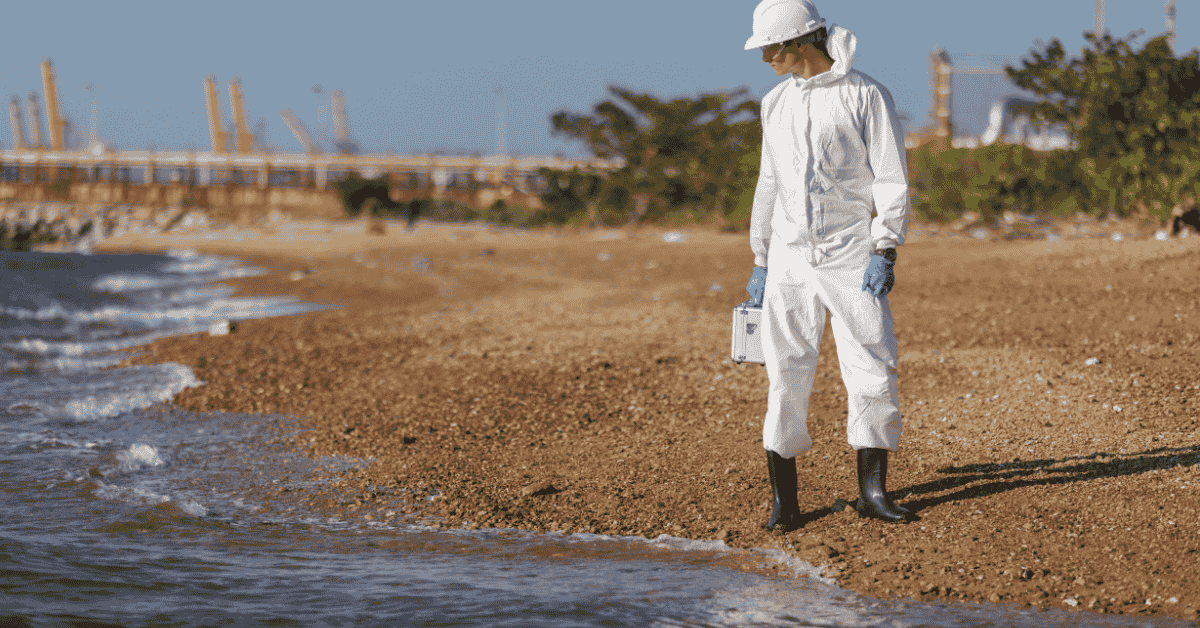
Denmark’s biggest pollution scandal has turned into a surprising tourist attraction as visitors head to the West Coast to see the toxic legacy of the old Cheminova chemical plant.
A toxic past draws curious travelers
In Denmark’s Lemvig Municipality, tourists are now traveling to Harboøre Tange to see the remains of one of the country’s worst environmental disasters. The area is home to chemical waste from the Cheminova factory, which relocated from Måløv near Copenhagen to the narrow strip of land between the North Sea and Limfjord in the 1950s. Over the years, this coastal site became a symbol of industrial contamination, long hidden beneath the sand.
The story has found new momentum. Books, TV series, and documentaries have breathed life into this toxic chapter, turning it into an unlikely attraction. First came Kim Blæsbjerg’s novel *The Best Families*, now being adapted into a TV drama by DR. Later, TV2 released the docudrama *The Poison in the Sand*, and most recently author Johanne Mygind published *Poisonous*, a novel partly inspired by her grandfather, Cheminova’s first operations director.
As a result, Lemvig’s tourism office has noticed a spike in visitors who want to see where it all happened. Many arrive out of curiosity, while others come to reflect on how Denmark handles its environmental responsibilities.

Harboøre Tange’s unusual attraction
At the windswept tip of the Jutland coast, guide Jens Hedevang leads small adventure tours on old Puch Maxi mopeds through his company, Maxitours. His routes take guests across dunes, open landscapes, and past the infamous toxic waste site near Høfde 42—the heart of what locals call Denmark’s chemical disaster zone.
For tourists, the experience is both educational and unsettling. There is little visible on the surface, since the waste is sealed underground, but the scale of pollution shocks many of them. Far from feeling like dark tourism, the tours aim to shed light on the long-term effects of industrial negligence and the efforts being made to address it.
That cleanup, much like the growing initiatives described in Denmark’s ghost nets crisis projects, has become a national discussion.

From scandal to storytelling
The renewed public interest isn’t just about voyeurism. It reflects how Denmark is increasingly confronting its hidden ecological debts. The pollution at Harboøre Tange once represented secrecy and denial. Now it inspires debates about responsibility, transparency, and sustainable industry.
Documentaries and fiction have amplified this shift. Production crews, authors, and visitors have brought both attention and accountability. Despite the dark history, the exposure has encouraged new environmental measures and funding for remediation.
Interestingly, the site has become a learning ground for both locals and visitors. Tourists come not only for the dramatic story but also to understand how a small country like Denmark balances economic ambition with nature preservation. That curiosity links Harboøre Tange to broader global examples of so-called “toxic tourism,” like Love Canal in the United States, or Chernobyl in Ukraine.
A double-edged legacy
For locals, the popularity of Harboøre Tange is both a blessing and a burden. The tourist interest brings income to the area, but it also means living daily beside land that remains contaminated. The damage may be capped, but the memory is raw.
Nevertheless, guides like Hedevang see sharing the story as a duty. Visitors take photos beside the Høfde 42 sign, not to sensationalize tragedy, but to acknowledge an uncomfortable truth about how Denmark’s rapid industrialization left scars in the landscape.

From disaster to awareness
The transformation of this polluted site into an educational attraction shows how Denmark tries to turn its environmental crises into opportunities for awareness. The mix of remorse, fascination, and civic engagement has turned Lemvig’s coastline into something rare: a travel destination that invites people to face the consequences of progress head-on.
The West Coast’s toxic legacy now stands next to Denmark’s other sustainability challenges, from water pollution to marine waste. With ongoing attention from the media and cultural creators, Harboøre Tange might one day symbolize not just contamination, but also recovery.
Sources and References
The Danish Dream: Danish Ghost Nets Crisis Drives Cleanup Efforts
The Danish Dream: Harboøre Tange – Denmark’s Toxic Legacy and Tourism
DR: Danmarkshistoriens største giftskandale er en kæmpe turistattraktion