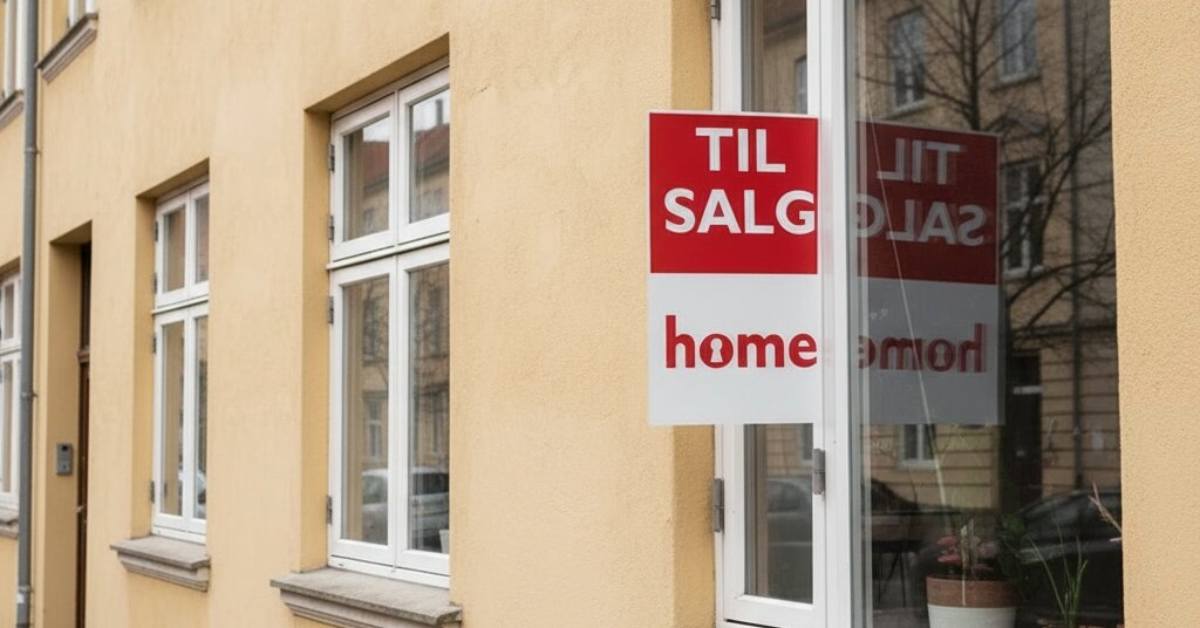
Copenhagen apartment prices have surged 24 percent in one year, adding over one million kroner to the average 80 square meter unit. Experts warn the housing boom is deepening inequality and pushing middle-class workers, young buyers, and those without family wealth out of the capital.
Record Price Growth Widens Gap Between Owners and Renters
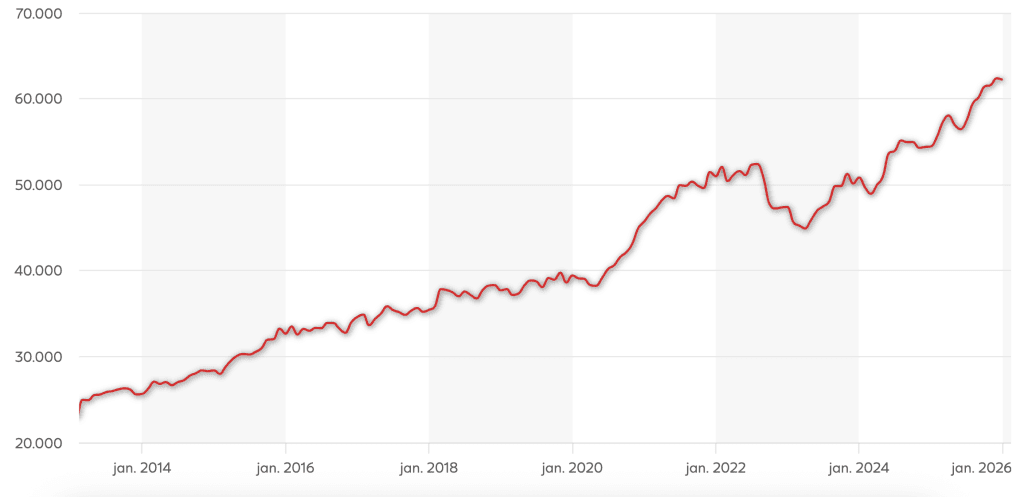
Housing prices in Copenhagen continue to break records, with apartment prices climbing by a staggering 24 percent compared to last year. The average 80 square meter apartment has gained more than one million kroner in value over the past 12 months, according to new data from Boligsiden.
The gains have delighted homeowners but created significant barriers for those trying to enter the market. Curt Liliegreen, an economist and director at the Housing Economics Knowledge Center, points out that the rapid price increases are fueling inequality between owners and renters and between urban and rural areas.
Sune Caspersen, chief analyst at the Danish Confederation of Trade Unions’ Economic Council, echoes that concern. He says access to housing in major cities is becoming increasingly restricted, and fewer people with average incomes can afford to buy in.
Supply Shortage Drives Prices Higher
Multiple factors contribute to the continued surge in apartment prices. Expectations about the market play a key role, according to Liliegreen. More people fear they will never be able to afford a home if prices keep rising, so they rush to buy now.
A historically strong job market and rising purchasing power among many Danes also fuel demand. Meanwhile, housing supply has not kept pace with the number of buyers. Caspersen notes that the volume of new construction is not growing fast enough to match demand.
Nationwide Trends Show Diverging Patterns
Nationally, housing prices have risen 7.5 percent over the past year. However, Copenhagen stands out with far steeper increases. Forecasts from Danske Bank predict a 6.3 percent rise in house prices for 2026, while Nykredit expects apartment prices in Copenhagen to climb 13.5 percent in 2025 alone.
The gap between the capital and the rest of Denmark continues to widen. In contrast to Copenhagen’s double-digit growth, many rural areas have seen modest or even declining prices. This regional divide adds another layer to the inequality problem.
Three Groups Feel the Housing Squeeze
Experts identify three groups that face the greatest pressure from rising apartment prices. These include ordinary wage earners, young first-time buyers, and those without financial help from family.
Middle Class Workers Priced Out
For the broad middle class, securing a foothold in the Copenhagen area has become markedly harder. Caspersen says the share of homeowners with typical salaries is falling. Teachers, police officers, and similar professions are finding it increasingly difficult to afford homes in the capital.
Liliegreen warns that the typical middle-class Dane is disappearing from Copenhagen. Instead, creative directors, stockbrokers, and doctors are moving in. The shift changes the city’s demographic makeup and limits housing options for workers with average incomes.
Young Buyers Depend on Family Wealth
First-time buyers increasingly rely on financial support from their parents. Caspersen explains that young people can no longer afford to buy a home based solely on their own income and savings. Family wealth is becoming a decisive factor in who can enter the housing market.
Data show that economic support from parents plays a growing role in determining who can buy property. When parents benefit from large housing gains, it significantly affects their children’s ability to receive financial help. Caspersen expects this trend to intensify if prices continue to rise.
Geographic Mobility Becomes a Luxury
High housing costs restrict people’s ability to live near their work, family, and social networks. Caspersen notes that the extreme apartment prices in Copenhagen translate into unequal opportunities. It is no longer equally possible for average Danes to settle where it makes sense for them.
This reduction in geographic mobility affects career options and quality of life. People may be forced to choose between affordable housing and proximity to job opportunities or support networks.
Economic Forces Behind the Boom
Several economic factors drive the ongoing price surge. Understanding these forces helps explain why the inequality gap is widening.
Average price per square meter for an apartment in Copenhagen.
Historic Low Supply Meets Strong Demand
Copenhagen faces a record low supply of apartments, with short listing times not seen since the housing bubble of the early 2000s. At the same time, demand remains robust due to immigration, a strong job market, and expectations of continued price growth.
A typical 150 square meter house is expected to gain 175,000 kroner in value in 2026, according to Danske Bank. If prices rise by 10 percent, that figure could reach 275,000 kroner. These gains encourage more buyers to enter the market before prices climb even higher.
New Construction Lags Behind Needs
The volume of new housing construction has not kept pace with population growth and demand in urban areas. This gap between supply and demand puts upward pressure on apartment prices. Experts predict that increased construction activity could help moderate price growth to around 3.7 percent by 2027.
However, building enough new homes to significantly ease the pressure will take years. In the short term, the supply shortage continues to benefit existing homeowners while excluding potential buyers.
Political Tools Remain Unused
Politicians have tools available to moderate housing price growth, but they have been reluctant to use them. The political sensitivity of housing taxation makes it a difficult issue to address.
Housing Taxes Have Lost Their Bite
Property taxes traditionally helped dampen price increases by increasing the cost of ownership. However, housing taxes now represent a smaller share of property values than in the past. As a result, they no longer function as effectively to level out price gains.
Caspersen describes housing taxation as a hot political potato. Politicians have avoided adjusting the tax framework because it is unpopular with voters, particularly homeowners who benefit from rising apartment prices.
International Models Offer Alternatives
Other countries have implemented different approaches to managing housing markets. Norway uses a wealth tax that includes property values, while Sweden taxes capital gains on home sales. These models aim to reduce speculation and wealth accumulation through housing.
However, Caspersen cautions that no quick fixes exist. Designing a system that effectively taxes housing gains without unintended consequences is complex. Any changes would require careful planning and political will.
Copenhagen Shows Bubble-Like Symptoms
Liliegreen says the market has not yet lost control, but there are signs in Copenhagen that it could happen. The combination of rapid price increases, short listing times, and buyers rushing to enter the market resembles conditions during previous housing bubbles.
Louise Aggerstrøm Hansen from Danske Bank notes that the market is moving extremely fast in Copenhagen. If prices continue at the current pace, a 10 percent increase in 2026 is possible. Such growth would further deepen inequality and reduce market stability.
Future Outlook Depends on Supply Response
The trajectory of the housing market over the next few years depends largely on whether supply can catch up with demand. Forecasts suggest that price growth will slow once more homes are built. Danske Bank predicts a decline to 3.7 percent growth in 2027 if construction picks up.
In the meantime, the inequality created by the housing boom will likely persist. Middle-class workers, young buyers, and those without family wealth will continue to face significant barriers to homeownership in Copenhagen and other high-demand areas.
Sources and References
The Danish Dream: How to Buy a House in Denmark
The Danish Dream: Best Mortgage Loan in Denmark for Foreigners
TV2: Uligheden vokser, når boligpriserne i København buldrer frem
Ritzau: Ny prognose: Din bolig bliver meget mere værd i 2026
Bolius: Hvad sker der med boligpriserne i 2025
Dagens Byggeri: Mangel på nybyg får boligpriser til at fortsætte stigning
home.dk: Første månedstal i 2026: Tempo ned, priserne op
Boliga: Boligpriser København
Euroinvestor: Boligprisprognose: Boligmarkedet er på vej ind i en ny fase
Nordea: Ny prognose: Forventninger til boligpriserne i 2025 og 2026