Nearly half of Danish women in their mid-40s experience perimenopause symptoms such as sleep deprivation, fatigue, and mood swings. A new national study highlights how widespread these changes are—and why open discussion and medical support matter.
When Restless Nights Become Routine
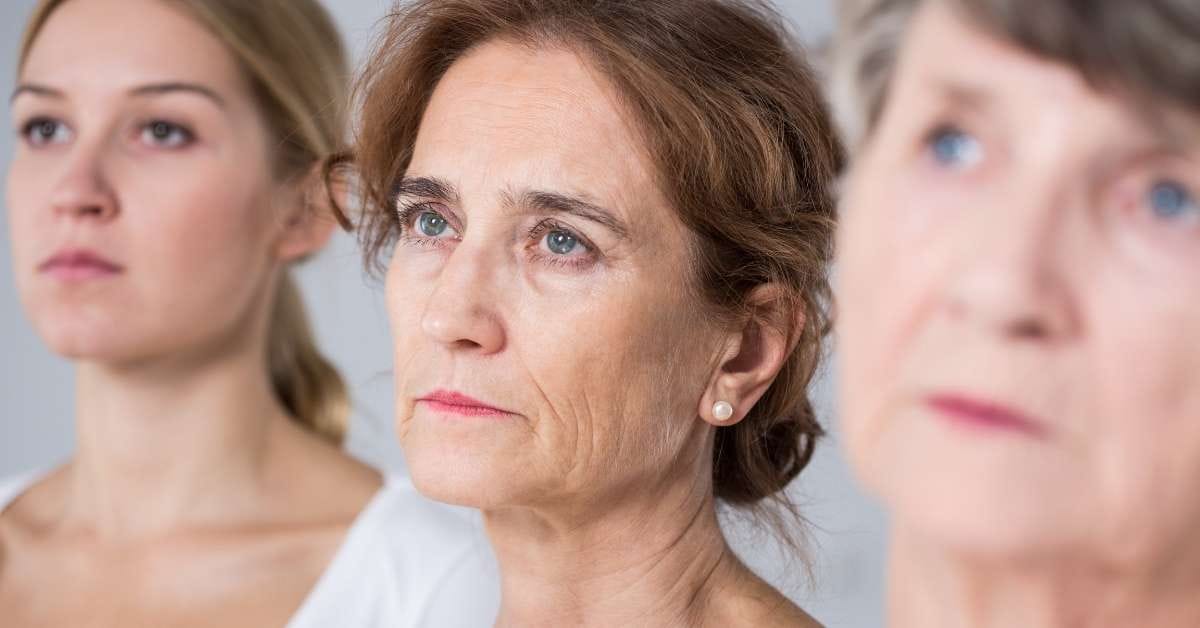
In the stillness of a dark night in Aarhus, 46-year-old Trine Lund lies awake once again. Persistent sleeplessness has become part of her life in recent years. She is not fully in menopause yet—her menstrual cycle continues—but she is firmly in the phase leading up to it, known as perimenopause.
According to a recent study from the University of Copenhagen, 41 percent of women around age 45 report being in perimenopause. It is the first national survey in Denmark examining women’s health and their experiences of menopause. Commonly reported symptoms include sleep issues, hot flashes, fatigue, joint pain, and sexual changes.

Struggling With Change
Trine describes the experience as “being a teenager all over again.” She finds herself more emotional and forgetful, occasionally breaking into tears during television shows. Her patience is shorter, and some days she hardly recognizes herself.
Specialists in gynecology say this feeling is typical. Hormonal fluctuations affect not just physical health but also mental balance. They emphasize that women often feel destabilized during this time because they do not expect such intense changes in their 40s.
For many, understanding what happens in the body during perimenopause can be a major relief. Awareness allows women to seek help early—something healthcare professionals urge more people to do within the Danish medical system, which can be explored at Danish healthcare.
Why Talking About It Matters
Experts behind the 2025 University of Copenhagen study stress that perimenopause should not be a taboo subject. More than half of the participants in their survey reported moderate to severe symptoms that affected daily life. These range from disturbed sleep to reduced concentration and physical exhaustion.
Because of that, doctors encourage open dialogue between patients and physicians. Women are advised to discuss both lifestyle adjustments and possible medical treatments, including hormone therapy, which can alleviate significant discomfort for those whose quality of life has declined.

Steps Toward Managing Symptoms
Gynecologists recommend focusing on stability—physically and mentally. Simple habits such as strength training, good sleep routines, balanced eating, and reduced alcohol intake can make a difference. Maintaining a healthy weight, quitting smoking, and using supplements like Omega-3, calcium, and vitamin D are also commonly advised.
If symptoms persist even with lifestyle changes, experts suggest consulting a doctor or a specialist in women’s health. For foreigners living in Denmark, it may also be worthwhile to consider private coverage options through the best health insurance for foreigners in Denmark to ensure access to the care they need.
Hormone Treatment and Relief
After years of frustration, Trine Lund decided to try hormone therapy. Each night she applies an estrogen gel to her thighs before bed. The treatment has helped brighten her mood and reduce the gray heaviness she once felt. “It’s not that I’ve become who I was ten years ago, but I feel more alive,” she explains.
Medical professionals note that hormone therapy today is more individualized than in the past. Modern options carry fewer risks when properly monitored. However, misinformation remains common, and many women still avoid therapy out of fear. That’s why doctors continue to stress the importance of evidence-based guidance.

Redefining Midlife
While perimenopause can feel unsettling, specialists insist it is a natural and manageable stage of life. For Trine, being open about her experiences helps fight the notion that women lose value during this transition. She believes that sharing stories can help others feel seen.
In the end, her message reflects a growing cultural shift in Denmark—an acceptance that midlife change is not the end of vitality but a redefinition of it.
Sources and References
The Danish Dream: Is Danish Healthcare Really Worth The Hype?
The Danish Dream: Best Health Insurance For Foreigners In Denmark
TV2: 41 procent af kvinder bliver ramt – 46-årig er en af dem