Langeland is an island in the South Funen Archipelago of Denmark. Far removed from the bustling urban centers, it is a haven for those seeking tranquility, stunning landscapes, and an authentic Danish experience. That is exactly what I experienced when I vacationed in this place. It was a nice retreat to unwind in and was worth all the money I had to part with. If you can’t come here, maybe other Danish islands like Fano might interest you.
An Island Steeped in History and Culture
Langeland’s significance in Danish history is understated yet profound. Its strategic location in the Baltic Sea made it a critical point of defense and trade through the centuries. Also, the island was a battleground for various historical conflicts, including those fought during the Napoleonic Wars.
One of the most notable historical sites on Langeland is the Tranekær Castle. It is a striking red-brick castle dating back to the 13th century. Set against a backdrop of lush green landscapes, the castle stands as a testament to medieval architecture and royal lineage. Today, it remains an emblem of Langeland’s noble past, attracting countless visitors eager to explore its galleries and gardens.
A Natural Paradise
The island is renowned for its unspoiled natural beauty, characterized by rolling hills, dense forests, and large beaches. It is a sanctuary for wildlife and plant species, making it a magnet for nature enthusiasts. Additionally, birdwatchers will be entranced by the island’s robust avian population, which includes rare species like the white-tailed eagle and the peregrine falcon. The dreamy Dovns Klint, a protected coastal cliff on the southern tip, offers breathtaking views of the Baltic. And it is a sought-after site for geology and birdwatching activities.
Moreover, Langeland’s beaches, such as Ristinge Strand, are some of Denmark’s most clean, with soft sands and crystal-clear waters. These beaches provide the perfect setting for swimming, sunbathing, or simply soaking in the stunning seascapes. With over 140 kilometers of coastline, the island promises a perfect retreat for beach lovers and those looking to connect with nature.
The Art and Culture of Langeland
The island is not only a feast for the eyes but also a cultural haven. Known for its vibrant art scene, the island boasts numerous galleries and art workshops where local artisans display their crafts. Besides, visitors can explore various art pieces and crafts at the Langelands Museum.
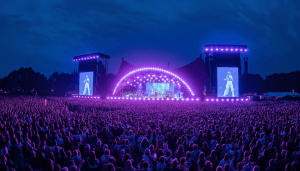
The island also hosts several festivals and events that celebrate Danish traditions and culture. One of the standout events is Langeland’s Festival, held every summer. Billed as “Denmark’s biggest garden party,” this music festival attracts thousands of attendees.
A Gateway to Mindfulness and Well-being
The island’s serene ambiance offers an opportunity for retreat and introspection, making it an ideal destination for wellness enthusiasts. A stroll through its villages or a cycle along its trails can be profoundly therapeutic. Moreover, wellness retreats and yoga sessions organized on the island invite visitors to unwind and find inner peace amidst nature.
Visiting Langeland: When and How to Experience the Island’s Magic

Best Time to Visit
The ideal time to visit Langeland is during the late spring to early autumn months, typically from May to September. During this period, the island’s natural beauty is in full bloom. Daytime temperatures range from a comfortable 15°C to 25°C (59°F to 77°F), making it perfect for outdoor exploration. In addition, the summer months, particularly July and August, are the peak tourist season when the island hosts numerous festivals and local events.
For those who prefer a quieter experience, visiting during the shoulder months of May and September can be rewarding. The weather remains pleasant, and you can enjoy the island’s attractions with fewer crowds, allowing for a more intimate connection with nature and history.
Getting to Langeland
The island is accessible through several convenient routes. The most common approach is by car, which allows for the freedom to explore the island at your own pace. Furthermore, Langeland is connected to the rest of Denmark by a series of bridges and roads. Hence, making it easy to reach from major cities such as Odense, which is approximately 80 kilometers away.
For those traveling from further afield, Copenhagen, Denmark’s capital, is about 180 kilometers from Langeland. From Copenhagen, visitors can drive, take a train, or hop on a bus to Svendborg, the town from where ferries depart to Langeland. What’s more, these ferry rides, operated by ferry lines on the hour, offer a scenic passage to the island.
The island is also accessible by public transportation, with regular bus services connecting various parts of Langeland. While the journey may take a bit longer compared to private vehicle travel, it allows for a relaxed and eco-friendly travel option.
Island Exploration Tips
To make the most of your visit to Langeland, consider the following tips:
1. Embrace Cycling: Langeland is a cyclist’s dream, featuring well-maintained bike paths that take you through its attractions. Rent a bicycle and enjoy a sustainable and invigorating way to explore the island’s beaches, countryside, and villages.
2. Dive into Local Culture: Immerse yourself in local traditions by visiting one of the island’s villages. What’s more, experience authentic Danish culture at local eateries and markets, where you can sample traditional foods and crafts.
3. Stay in a Holiday Home: Booking a stay in a cozy holiday home, or “sommerhus,” offers a pleasant Danish experience. Also, this accommodation option provides privacy and direct access to the stunning natural surroundings. Thereby, allowing you to enjoy the island’s tranquility at your leisure.
4. Pack for the Outdoors: Langeland’s outdoor experiences are its highlight. Whether hiking along Dovns Klint, birdwatching, or beachcombing at Ristinge Strand, ensure you pack appropriate clothing and gear.
Conclusion
Langeland is a destination that captivates visitors with its enchanting blend of nature, history, and cultural richness. The island provides a perfect escape from modern life, offering tranquil landscapes, historical sites, and vibrant cultural experiences. Lastly, its accessibility and array of activities make it an ideal choice for both adventure seekers and those looking to unwind.
FAQs about Langeland
1. What is the best time of year to visit Langeland?
The best time to visit is from May to September when the weather is pleasant and various events, such as Langeland’s Festival, take place.
2. How can I get to Langeland from Copenhagen?
The island is approximately 180 kilometers from Copenhagen. You can drive or take a train to Svendborg and then a ferry to Langeland. Alternatively, buses are available from Copenhagen to the island.
3. What are some must-see attractions on the island?
Key attractions include Tranekær Castle, Ristinge Strand, and the Dovns Klint cliffs. Additionally, the Langelands Museum is also a highlight for cultural insights.
4. Are there family-friendly activities on the island?
Yes, families can enjoy activities such as visiting the Langeland Fort museum, taking part in outdoor adventures, and exploring Langeland’s unique landscapes.