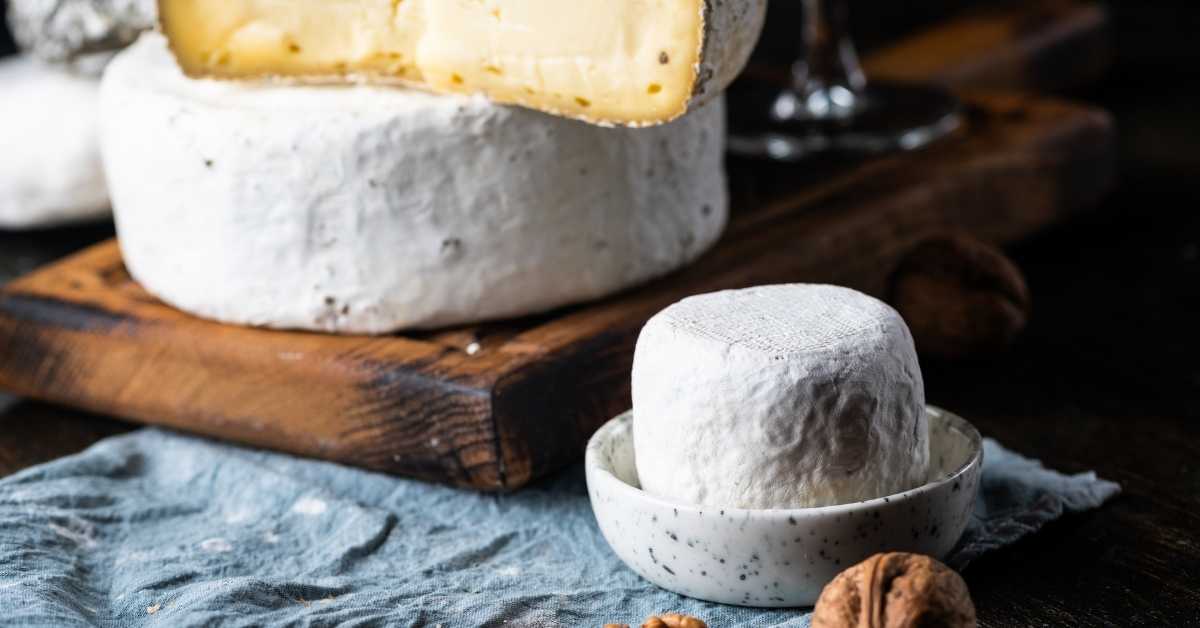
Denmark imported Italian cheese worth DKK 213.6 million in 2024, up around 24 percent in five years, according to Statistics Denmark trade data, making any climate shock to Parmesan production a potential hit to supermarket shelves and the expat restaurant scene that depends on authentic Italian hard cheese.
As heatwaves threaten Northern Italy’s Parmesan heartland, Denmark finds itself unusually exposed. According to Statistics Denmark, Italy accounts for more than one third of all Danish cheese imports by value. That dependence has grown steadily over the past decade, reflecting both consumer tastes and the expansion of Italian restaurants and delicatessens across major Danish cities.
Why Denmark is vulnerable to Italian cheese shocks
Denmark is a net importer of cheese in value terms. According to Statistics Denmark, domestic milk deliveries reached 1,394 million kilograms in the fourth quarter of 2025, comprising 1,254 million kg conventional and 140 million kg organic. Most output goes into butter and generic cheese rather than premium hard varieties. That leaves Denmark reliant on imports for products that have become staples in international and New Nordic kitchens.
Expats running restaurants or food businesses are likely among the most exposed. Parmesan is a key ingredient on countless menus, and Danish food regulation means imitation versions cannot legally carry the Parmigiano Reggiano label. Any climate-driven decline in Italian output could feed through as higher import prices, altered quality from shorter aging, or substitution with non-protected products.

The numbers behind the Italian cheese dependence
Danish imports of Italian cheese and curd have risen sharply over the past decade. In 2024, they reached DKK 213.6 million, up from an estimated DKK 172 million in 2019, according to Statistics Denmark trade data. Total Danish imports of goods from Italy were worth approximately USD 4.29 billion in 2024, with cheese and dairy forming a visible specialty segment within that figure.
At the same time, Denmark has tightened food and animal welfare regulation. As reported by the Danish Veterinary and Food Administration in its hearing note for Lovforslag L 35, fee rates for food businesses and livestock owners are set to rise by around 2.8 percent on average under 2025 proposals, with some animal welfare inspection fees increasing by up to 28 percent. The Administration estimates a net additional annual cost of DKK 3 million, made up of DKK 5 million more for pig and cattle owners, offset by DKK 2 million less for food businesses.
Cost pressures limit domestic response
These structural shifts make it harder for Danish producers to pivot into new product categories such as long-aged hard cheeses. Cumulative fee increases since 2023 have eroded margins for cattle farmers, discouraging investment in value-added dairy products. Meanwhile, as reported by Statistics Denmark, organic milk intake fell by five percent in the fourth quarter of 2025 compared to the same period in 2024, even as overall milk deliveries rose by two percent.
According to Statistics Denmark, Denmark’s total exports of goods and services were DKK 188.9 billion in April 2026, against imports of DKK 156.1 billion. The country runs a trade surplus overall but remains structurally dependent on imports for certain specialty foods, with cheese a high-value niche within that basket.

Who gets hit hardest by Italian cheese shortages
Internationals are likely overrepresented among operators reliant on imported premium cheeses. According to Statistics Denmark population tables, residents with foreign background made up roughly 15 percent of Denmark’s population in 2025, with heavy concentration in Copenhagen and Aarhus. Those cities host a dense network of Italian and international restaurants that list Parmesan explicitly on menus, making them more vulnerable to supply or price shocks.
Any significant disruption to Italian hard cheese production will likely translate into higher input costs and menu changes. Operators in a competitive market face limited ability to pass all costs to customers. Restaurant and specialty food retailers fear that price spikes or shortages will force them to alter core dishes or absorb margins.
Regulatory pressures compound the problem
Farmer organisations such as Landsforeningen Danske Mælkeproducenter have criticised the new Danish fee structure. They warn that cumulative increases erode margins and could discourage investment in value-added dairy. Authorities defend higher inspection fees as necessary to fund robust oversight of animal health, including salmonella in cattle, which underpins safe milk and cheese production.
At the EU level, a provisional trilogue agreement on new genomic techniques was reached on 3 December 2025, moving the proposal into its final legislative phase. According to EU documentation summarised by GMO Frit Mad, around 94 percent of Category 1 NGT plants would be exempt from existing GMO risk assessment, traceability and labeling rules. Climate-focused NGOs argue that exempting gene-edited feed crops from transparency requirements amplifies risk, especially as European dairy systems remain highly vulnerable to heat stress.

What businesses can do
Affected restaurants and retailers can diversify their cheese offerings by incorporating Danish hard and semi-hard cheeses that comply with domestic fat content labeling rules. Menu engineering, such as reducing portions of grated Parmesan or shifting to dishes using locally produced cheeses, can cushion cost impacts without fully removing Italian products. Businesses should track supplier contracts and consider forward purchasing when price volatility is anticipated.
Official Danish guidance on milk and cheese labeling sets clear standards for fat content declaration, which remain stable regardless of origin. For internationals operating businesses, contacting the Danish Veterinary and Food Administration for advice on compliance with dairy and import rules is a practical first step. Both that agency and the Danish Agricultural Agency provide information on general food safety and import procedures, though detailed guidance on niche cheese imports may only be available in Danish.
Monitoring Italian cheese trade flows
Statistics Denmark’s StatBank offers data on trade flows and import prices of cheese and other food products. EU documents via EUR-Lex provide English-language texts on future labeling and feed rules under the NGT regulation. Together, these resources can help operators anticipate and prepare for future shocks in specialty food markets.

The bigger picture
Northern Italy’s heatwave-driven stress on Parmesan production comes against a backdrop of broader European dairy volatility. EU milk quotas were abolished in 2015, exposing producers to full market and climate risk. Since then, production has responded to price signals but remains vulnerable to weather extremes, especially in regions specialising in long-aged cheeses that require consistent milk quality.
Denmark’s role in this environment is as a high-income country importing premium cheeses while exporting other dairy items. It is structurally insulated in volume terms but exposed in value terms to disruptions in niche products. According to Eurostat data, Denmark’s imports of goods and services represented about 58.7 percent of GDP in 2022, underlining systemic reliance on international supply chains.
For internationals living in Denmark, particularly those connected to hospitality and specialty food, Parmesan shortages could echo previous episodes where climate or regulatory shocks translated rapidly into higher prices or changed products on Danish shelves. The emerging EU NGT framework suggests that future climate adaptation in agriculture may rely more on gene-edited crops, including feed grains, potentially reshaping the resilience of European dairy and cheese production over the next decade.