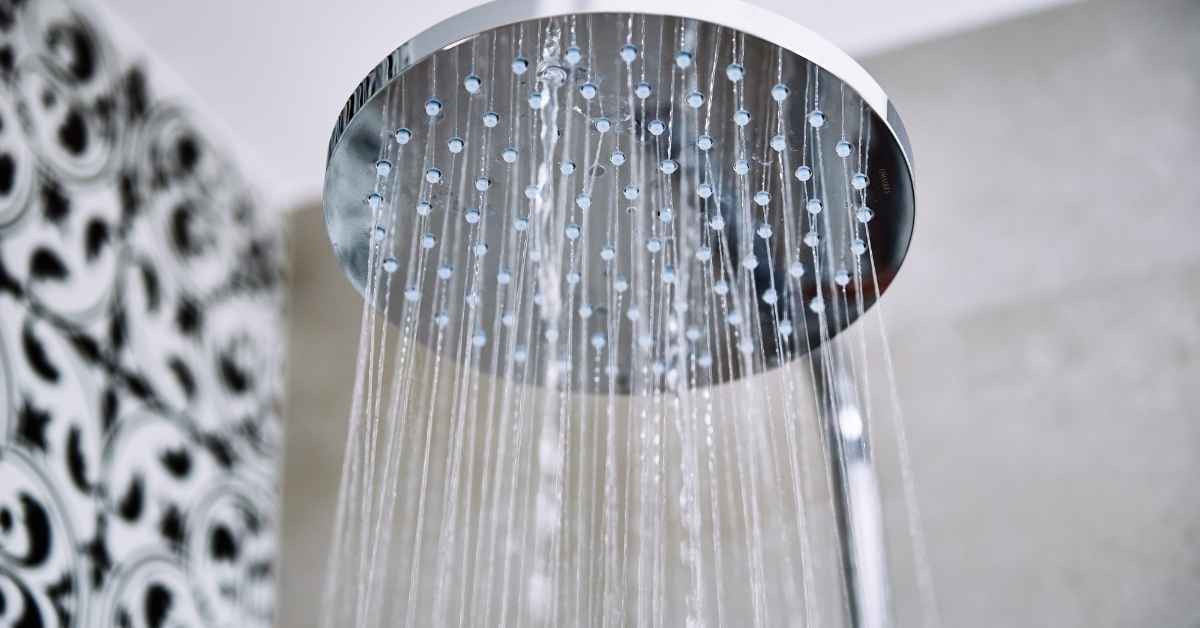
Your morning shower might be putting your health at risk. Denmark, one of the countries with the highest rates of Legionella infections in the EU, is urging residents to take precautions against bacteria lurking in showerheads and pipes.
Millions of Bacteria in Your Shower
Jumping into a hot shower should be a refreshing part of the day, but mounting evidence suggests it could also expose you to harmful bacteria. The moist interior of showerheads, hoses, and other parts of home plumbing systems provides the ideal environment for bacteria to multiply – especially in warm, stagnant water.
Experts warn that millions of microorganisms can build up inside shower systems overnight. When the water is turned on, these organisms are dispersed into the air, potentially making their way into the lungs. The situation is particularly concerning for people with compromised immune systems, the elderly, and those with chronic respiratory illnesses.
Legionella: A Hidden Threat in Hot Water
While most of the bacteria found in household plumbing are harmless, some can cause serious health problems. Chief among them is Legionella, the bacteria responsible for Legionnaires’ disease – a severe form of pneumonia that can be fatal. In Denmark, where around 300 people are hospitalized each year due to this infection, Legionella is a growing concern.

Legionella bacteria thrive in temperatures between 20°C and 50°C (68°F to 122°F). Residential hot water systems, especially those that operate at lower temperatures to conserve energy, can inadvertently provide ideal breeding grounds.
Denmark Among EU’s Highest for Legionella Cases
According to the Danish public health authority, Statens Serum Institut, Denmark has one of the highest incidence rates of Legionella infections in the European Union. One reason for this is Denmark’s widespread use of untreated groundwater in the public water supply. Additionally, relatively low operating temperatures in domestic water heaters promote the survival and growth of bacteria like Legionella.

Though public health experts emphasize that not all strains of Legionella found in Denmark are highly infectious, the risks remain, especially for at-risk populations.
Other Bacteria Lurking in the Pipes
Another bacteria associated with household water systems is Mycobacterium, which may cause respiratory infections such as “bird tuberculosis,” particularly in individuals with weakened immune function. Studies have shown that the concentration of Mycobacterium is up to 100 times higher in showerheads compared to other household taps.

Although Denmark does not officially monitor Mycobacterium levels in household water systems, experts acknowledge its presence and call for increased awareness.
How to Protect Yourself
The good news is that there are several practical steps individuals can take to minimize health risks from contaminated showers:
Heat is Key
Make sure your hot water heater is set to at least 60°C (140°F) – the temperature needed to kill off bacteria like Legionella. However, temperatures above this threshold can lead to calcium build-up in pipes and pose a scalding hazard, so adjustments should be made carefully.
Flush the System
Before hopping into the shower, let hot water run for at least two minutes. This is especially important if the shower hasn’t been used for days, such as after a vacation or upon returning to a summer house.
Maintain Equipment
Clean and disinfect your showerhead regularly. Over time, biofilms can build up inside the nozzle, protecting bacteria from typical cleaning methods. Also, consider replacing plastic hoses with metal ones, which are less prone to bacterial growth.
Prevent Moisture Build-up
Use bathroom fans or open windows to ventilate after a hot shower. Proper ventilation reduces humidity, decreasing the chance for airborne bacteria to settle and grow.
Other Measures
Ensure your cold water temperature remains below 12°C (53.6°F), which inhibits bacterial growth. If you have outdated plumbing or unused water outlets in your home, consider removing them to eliminate potential bacterial reservoirs.
Increased Awareness Can Keep You Safe
While shower-borne infections are relatively rare, their seriousness – especially for vulnerable individuals – warrants attention. With Denmark reporting approximately 300 annual hospitalizations from Legionella infections and having one of the highest rates in the EU, public health authorities are encouraging citizens to take greater care with their water systems.
Simple actions like flushing your shower before use, keeping water temperatures elevated, and properly maintaining plumbing fixtures can significantly reduce risk. By staying informed and proactive, Danes – and anyone else – can enjoy their daily shower without compromising their health.