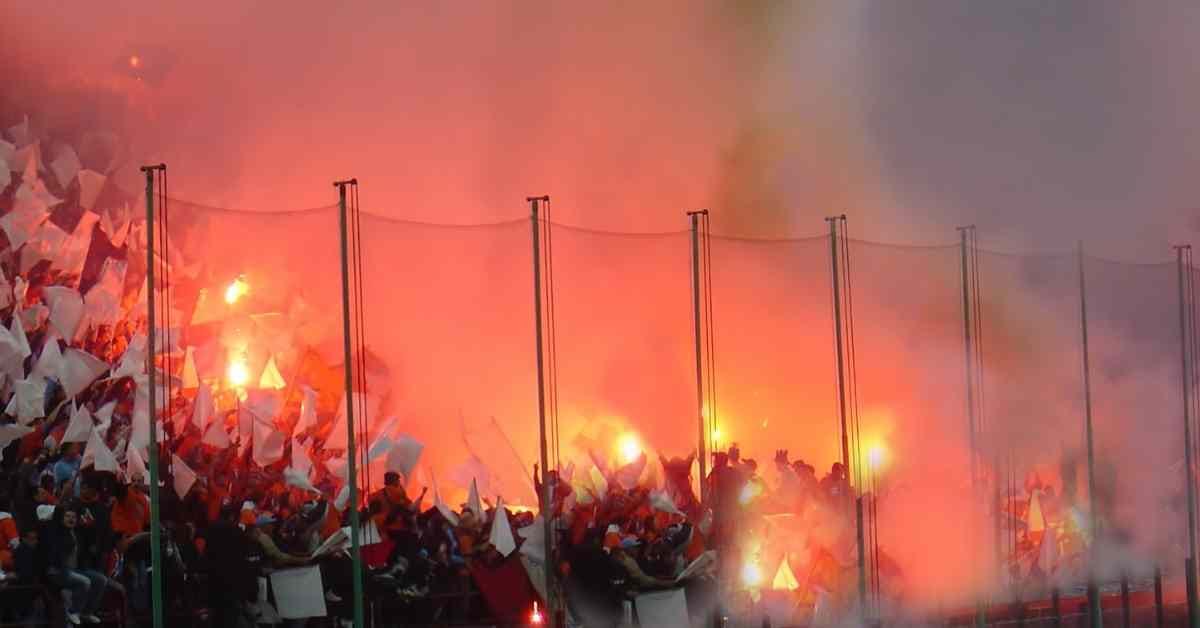
Several bars in Herning are locking their doors when around 800 Croatian fans descend on the city for a Europa League match between FC Midtjylland and Dinamo Zagreb. The precaution stems from concerns about the visiting supporters’ notorious fan club, Bad Blue Boys, known as some of the most aggressive fans in the world.
Bars Lock Down for Regular Customers
At least two establishments in Herning are taking extraordinary measures ahead of Thursday’s match. Don Quijote will keep its doors locked from 10 a.m. until 10 p.m., allowing only regular patrons inside.
Owner Lars Fenger says the decision came after police suggested it as a solution. He plans to post signs on the doors with a phone number so known customers can call to be let in. This approach lets the bar continue serving its regulars while keeping potentially troublesome visitors out.

Bodega Gadespejlet is taking similar steps. Owner Ellen Nielsen has notified her regular customers through Facebook and word of mouth that they can enter through the back door. She wants her usual patrons to enjoy their time in peace, just as they normally would.
Police Support the Precautions
David Dyrmose, a police commissioner with the local Herning police, says he understands why bars are closing to unfamiliar guests. He points out that police will maintain a visible presence in the city so everyone can move around safely during the match day.
The Europa League game between FC Midtjylland and Dinamo Zagreb kicks off Thursday at 9 p.m. Police estimate up to 800 Croatian supporters will travel to Herning for the occasion. Many belong to or support the Bad Blue Boys fan club, which has earned a reputation as one of the most hardcore supporter groups globally.

Larger Venues Stay Open
Not all establishments are locking their doors. Fox and Hounds, a larger pub with security staff, plans to remain open as usual. Co-owner Victor Taulbjerg admits he’s not entirely comfortable with the decision but believes closing would create bigger problems.
Taulbjerg says he spoke with police who worry that widespread closures could lead to chaos if fans have nowhere to go. He hopes that greeting visitors in a friendly manner will prevent trouble. However, he remains somewhat nervous about what the evening might bring.
In fact, Taulbjerg received a warning from Celtic fans who visited during an earlier match. These Scottish supporters, who own a bar in Malmö, told him that Croatian fans had wrecked their establishment in the fall. They advised him to be careful.

As chairman of Herning’s restaurant association, Taulbjerg notes that Murphy’s Pub also plans to stay open. These larger venues apparently feel their security measures and staff can handle any potential issues that arise.
A Growing Problem in Danish Football
The precautions in Herning reflect broader concerns about football violence in Denmark. While most matches pass peacefully, small groups of hardcore fans increasingly seek confrontations with rival supporters, players, or police.
The national hooligan quarantine register reached record levels in 2024, with an average of 120 active bans. That’s up from 100 in 2020. These bans affect supporters from 14 different clubs across the country.
Don Quijote itself experienced violence in August 2024 when a group of AaB fans attacked the bar after a match. The establishment is known as a gathering spot for FC Midtjylland supporters. The attackers wore masks and carried iron bars, assaulting patrons and causing around 40,000 kroner in damage.
Balancing Business and Safety
The different approaches taken by Herning bars highlight the challenge of balancing normal business operations with safety concerns during high-risk matches. Smaller establishments without professional security staff opt for controlled access, while larger venues with bouncers and more resources choose to stay open.
For bar owners like Ellen Nielsen and Lars Fenger, protecting their regular customers takes priority. They want to maintain their usual atmosphere without exposing loyal patrons to potential trouble. Meanwhile, owners like Victor Taulbjerg hope that hospitality and visible security will be enough to keep things calm.
Surprisingly, this situation shows how football culture impacts entire communities beyond the stadium. Local businesses must weigh economic considerations against safety risks when notorious fan groups come to town. The decisions made by these bar owners demonstrate different philosophies about managing that balance.
As Danish football attendance continues to grow, averaging over 10,000 spectators per Superliga match compared to 6,500 just a few years earlier, these challenges may become more common. Increased popularity brings more genuine fans but also attracts more troublemakers.
Sources and References
The Danish Dream: What to Do in Aarhus Denmark as a Tourist or Expat
The Danish Dream: Best Bars in Denmark for Foreigners
DR: Værtshuse i Herning låser dørene for berygtede fodboldfans