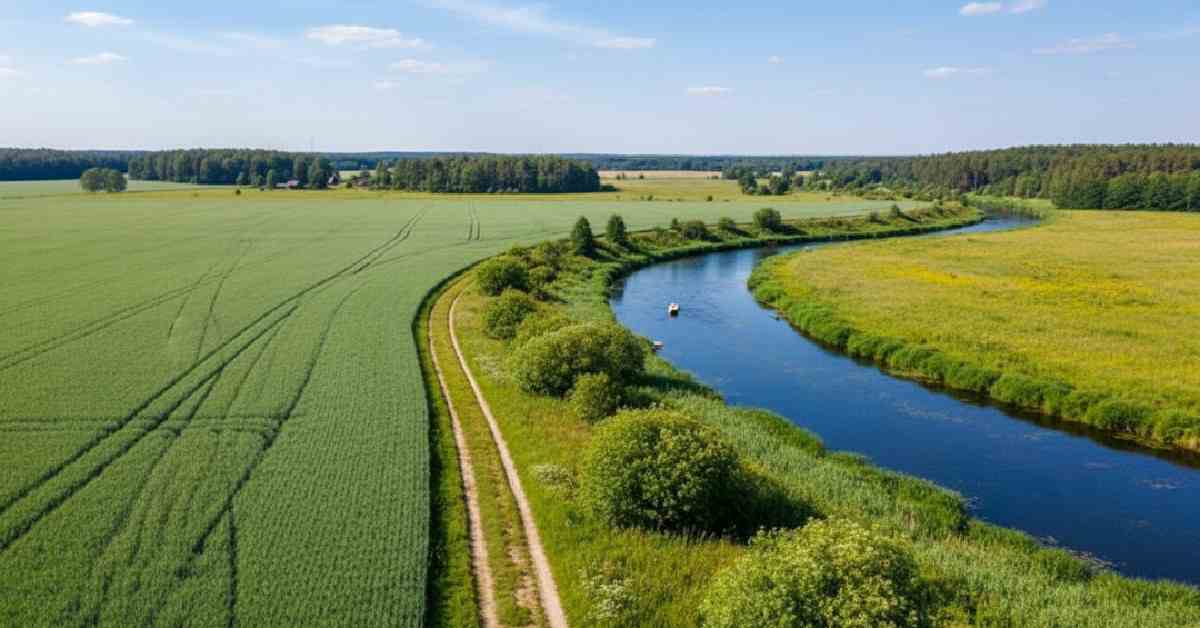
Nestled between lush landscapes, vibrant towns, and historical sites, the Gudena River stands as a symbol of Denmark’s natural beauty and cultural heritage. Revered as the country’s longest river, the Gudenå stretches approximately 176 kilometers (about 109 miles) through the Danish countryside. Also, its journey starts from Tinnet Krat in central Jutland and passes to Randers Fjord, gracefully merging into the Kattegat Sea.
This river not only serves as a vital waterway but has also become a cherished natural treasure. Its beauty reminds me of the Silkeborg Lakes. I particularly enjoyed watching the water sports competition that was taking place there at the time I visited.
Significance of the Gudena River
The Gudenå River is not just a geographical feature. It is an integral part of Denmark’s ecological and cultural background. Besides, its importance stretches beyond its length and scenic vistas, influencing various aspects of Danish life. As one of the country’s primary freshwater sources, the Gudenå plays a crucial role in sustaining local ecosystems, agriculture, and communities.
Moreover, the river supports a wide range of flora and fauna, making it a biodiversity hotspot in the region. From vibrant greenery and expansive wetlands to diverse wildlife and a wealth of bird species, the Gudenå River is a vibrant background of life.
Additionally, the Gudenå River is crucial for Denmark’s water management system. It helps in controlling floodwaters and irrigating farmland, making it indispensable to local agriculture and fisheries. Furthermore, the river system also nurtures the surrounding towns and villages, providing essential resources and recreational opportunities.
A Historic Waterway
The rich history embedded within the Gudenå River adds to its allure. Historically, the river has served as a critical transportation and trade route, facilitating commerce and cultural exchange between towns. As early as the Viking Age, the Gudenå hosted longships and trade vessels that navigated its waters. Thus, connecting communities and fostering prosperity. Archaeological finds along the riverbed reveal ancient settlements, providing insight into the lives of those who once lived along its banks.
Moreover, several historic landmarks and architectural wonders line the river, standing testament to centuries of Danish history. Among them, the Silkeborg Castle and the medieval Klostermølle stand as significant cultural heritage sites. Therefore, offering glimpses into the past while enriching the river’s narrative.
Gudena River Legends and Lores
The Gudena River is steeped in myths and legends, further embedding it into the cultural consciousness of Denmark. As with many ancient waterways, the Gudenå is associated with folklore that speaks of mythical creatures, heroic deeds, and ancient gods. Local legends recount tales of water spirits that guard the river These narratives deepen the river’s allure, inviting both residents and visitors to explore its depths.
Some stories tell of the river’s creation, attributed to natural forces as well as the whims of mythological beings. Such tales paint the Gudenå as a powerful, living entity that has shaped the Danish landscape and its people.
Fostering Recreation and Tourism
In modern times, the Gudenå River has transformed into a hub for recreational activities and tourism. Hence, drawing visitors from within Denmark and abroad. The river and its surroundings provide ample opportunities for boating, kayaking, canoeing, fishing, and swimming. Winding trails along the riverbanks offer scenic routes for hiking and cycling. Thereby, inviting outdoor enthusiasts to immerse themselves .
The serene environment along the Gudenå encourages a slower pace of life, allowing locals and tourists to reconnect with nature. This harmonious blend of recreation, nature, and cultural exploration has firmly established the Gudenå River as one of Denmark’s most beloved destinations.
As the Gudenå River continues to weave through Denmark’s heartland, it not only sustains life but enriches it. Consequently, ensuring that it remains a treasure for generations to cherish and protect. In understanding the Gudenå’s multifaceted importance, one can truly appreciate its role as the lifeblood of Denmark.
Visiting the Enchanting Gudena River: Tips for Your Journey
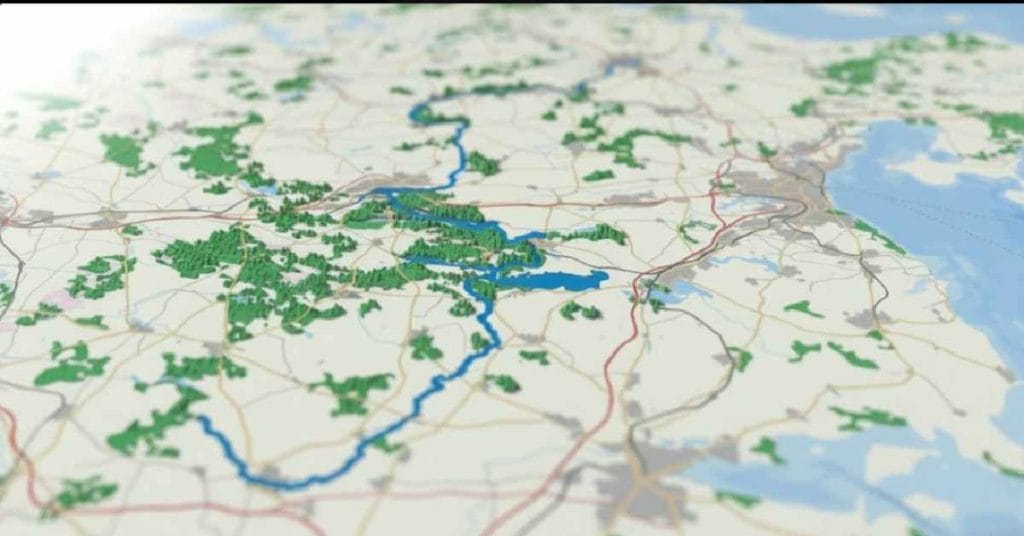
For anyone wanting to experience the tranquil beauty and vibrant culture of Denmark’s heartland, a visit to the Gudenå River is a must. The river offers a diverse array of activities and experiences year-round, with each season bringing its unique charm. Whether you are planning an adventurous expedition or a leisurely escape, the Gudenå is a captivating destination.
Best Time to Visit
The Gudenå River can be visited at any time of the year. But the period from late spring to early autumn (May to September) is particularly favored. During these months, the weather is generally mild, with average temperatures ranging from 15°C to 25°C (59°F to 77°F). Thus, making it ideal for outdoor activities like canoeing, kayaking, and hiking. The lush scenery is in full bloom, with vibrant foliage and flourishing wildlife, offering landscapes perfect for photography enthusiasts.
Autumn, from late September to November, brings a different kind of beauty to the region. This is with the changing colors of leaves painting a rich backdrop around the river. For those who prefer fewer crowds and an atmosphere of serene tranquility, this is a delightful time to visit.
How to Get There
The Gudenå River flows through several towns and cities, each offering access points to the river. Silkeborg and Randers are two popular hubs from which to base your exploration of the Gudenå. Silkeborg, known for its lakes and lush forests, is approximately a 3-hour drive from Copenhagen (about 260 kilometers or 161 miles). On the other hand, Randers is about a 3.5-hour drive (about 234 kilometers or 145 miles).
If you are traveling by public transport, trains and buses frequently connect major cities like Aarhus and Copenhagen to these towns. Both Silkeborg and Randers offer convenient public transportation networks and car rental services for exploring the river and its surrounding areas at your own pace.
Top Activities and Experiences
Canoeing and Kayaking: The Gudenå River is renowned for its canoeing and kayaking opportunities. Canoe rental shops are abundant in towns along the river, offering services for both novices and seasoned paddlers. The calm and gentle currents make it a delightful waterway for exploration, with various routes to suit different skills and schedules. A popular canoeing route is between Silkeborg and Randers, a journey that showcases some of the most scenic views in Denmark.
Fishing: Anglers will find the Gudenå River teeming with fish species, including trout and pike. Fishing permits are readily available at local shops and online, ensuring an accessible and enjoyable experience for both amateur and experienced fishermen.
Hiking and Cycling: The trails along the Gudenå River are well-maintained and clearly marked, ideal for hiking and cycling enthusiasts. The riverbanks offer a range of paths, from short scenic strolls to longer routes that take you through Denmark’s breathtaking countryside. The Himmelbjerget, or “Sky Mountain,” near Silkeborg, is a popular destination for hikers, offering stunning panoramic views of the region.
Accommodation Options
A variety of accommodation options cater to visitors along the Gudenå River. From charming bed and breakfasts and boutique hotels in Silkeborg and Randers to camping grounds along the riverbanks, there’s something for every preference and budget. For a unique experience, consider spending the night in one of the cozy holiday cottages that dot the area, offering a homely retreat amidst nature’s splendor.
Travel Tips
– Packing Essentials: If you plan on outdoor activities, ensure you pack appropriate clothing, including waterproof gear for any sudden changes in weather, especially during spring and autumn. Good navigation tools or a map are invaluable for those exploring on foot or by bike.
– Respect Local Guidelines: The Gudenå River and its surrounding areas are protected environments. Visitors are encouraged to follow local guidelines to preserve the natural beauty and wildlife, including proper waste disposal and staying on marked trails.
– Local Events and Festivals: Take the time to explore local events and festivals that often occur along the river, showcasing Danish culture, music, and culinary delights. These experiences provide a deeper insight into the heritage and community spirit of the Gudenå region.
With its serene landscapes and an abundance of activities, the Gudenå River provides a breathtaking backdrop for a journey immersed in the natural and historical wonders of Denmark. Whether you seek adventure or tranquility, this remarkable river is waiting to be discovered.
Conclusion
As Denmark’s longest river, the Gudenå River offers a unique blend of natural beauty, cultural significance, and recreational opportunities. Its serene waterways and vibrant ecosystems not only sustain the local environment. They also reflect Denmark’s profound connection to nature and history. From its historic role as a vital trade route to its present-day status as a beloved destination for outdoor activities and relaxation, the Gudenå continues to enchant.
Whether you are paddling along its gentle currents, exploring the scenic hiking trails, or going into its rich history, the Gudenå River provides an unforgettable experience. Its charm lies in its ability to offer both adventure and tranquility, inviting us to explore Denmark’s landscapes.
Frequently Asked Questions about the Gudena River
1. What is the best way to explore the Gudena River?
The best way to explore the Gudenå River is through a combination of activities such as canoeing or kayaking. This allows you to experience the river’s beauty up close. Additionally, hiking and cycling along the riverbanks offer perspectives of the surrounding landscape and access to historical sites.
2. Are there specific rules or permits required for fishing on the Gudena River?
Yes, fishing in the Gudenå River requires a valid fishing permit, which can be easily purchased online or at local shops. Anglers must also adhere to local fishing regulations to protect fish populations and maintain the ecosystem’s balance.
3. Can I visit the Gudenå River year-round, and does it offer different experiences in each season?
While the Gudenå River can be visited year-round, the most popular time is from late spring to early autumn. That is when the weather is mild and ideal for outdoor activities. Each season offers a different experience: vibrant greenery in spring and summer, colorful foliage in autumn, and a unique, quieter beauty in winter.
4. Are there any guided tours available for visitors?
Yes, several guided tours are available, ranging from canoe trips and fishing excursions to historical tours. These tours offer valuable insights and enhance the overall experience.