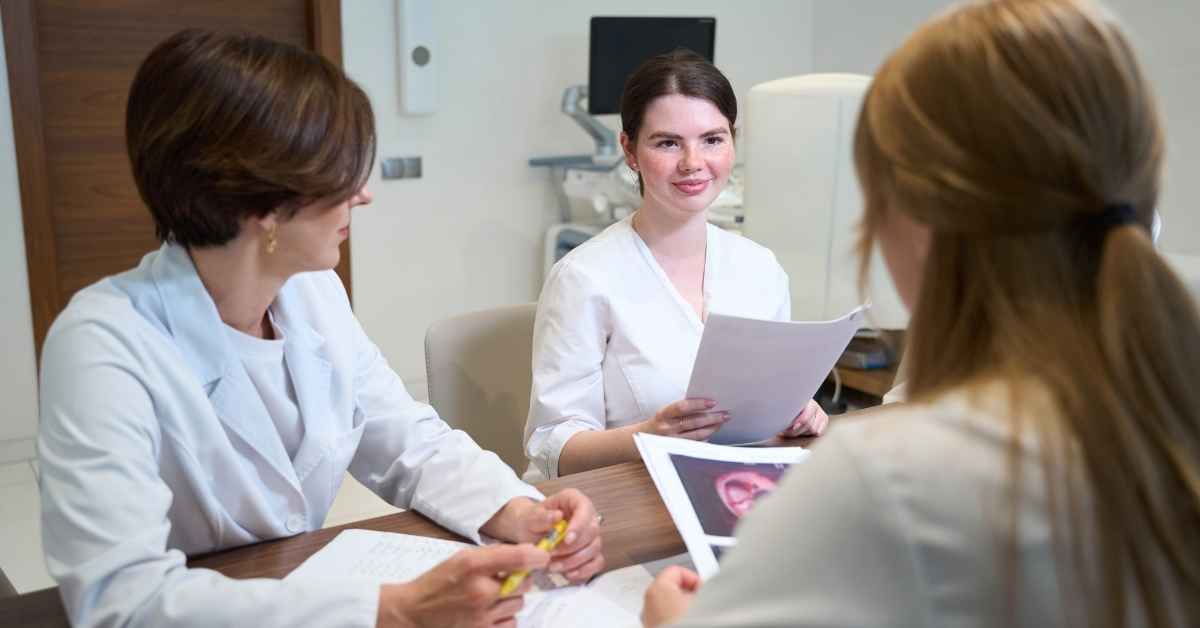
The Danish government is considering new rules for surrogacy, which would allow fertility clinics in Denmark to help intended parents and surrogate mothers under strictly altruistic conditions. The proposal follows a citizen initiative led by women who have carried children for others.
Government to Review Surrogacy Regulations
The Danish government plans to reexamine national surrogacy laws to make it possible for surrogate mothers to receive medical assistance in Denmark. This move comes after years of restrictions that have forced families to seek help abroad.
Since early 2025, parents can officially register as legal parents of a child born via surrogacy. However, Danish fertility clinics are still not allowed to assist women acting as surrogates. Couples who wish to have children through surrogacy must therefore travel to other countries for medical procedures.
According to the Ministry of Health, this framework could soon change. The government is exploring a “Danish model” for altruistic surrogacy, where no money exchanges hands except to cover pregnancy-related expenses.

Citizen Proposal Sparks Political Interest
The discussion in Parliament was prompted by a citizens’ initiative introduced by six women, one of whom, Camilla Juliussen Nørreskov, carried her brother’s child. Their proposal suggests that Danish law should allow surrogates to receive help at Danish clinics, making the process safer and more transparent.
Under current Danish rules, the Family Court must approve all altruistic surrogacy agreements before the woman becomes pregnant. Surrogates must be at least 25 years old, live in Denmark, and have previously given birth. Payments beyond reimbursing maternity clothing or medical costs are strictly forbidden.
Because medical specialists in Denmark cannot perform fertility treatments involving surrogates, the women behind the proposal are pressing for clearer legislation that supports the growing number of families relying on alternative reproduction methods.
Families Forced Abroad for Treatment
Nørreskov and her husband offered to help her brother and his partner, but since Danish clinics could not provide the procedure, they had to travel to Spain. Facing an unfamiliar healthcare system and language barriers made the already emotional experience even more difficult.
For many Danes, cross-border healthcare is far from ideal. Nørreskov said having the option to go through the entire process at home would have brought a sense of comfort and trust.
The government’s new approach aims to make sure future families do not face such challenges. By keeping surrogacy within the Danish healthcare system, authorities hope to provide stronger oversight and ensure that both surrogates and intended parents receive proper care and counseling.

Concerns About Ethics and Women’s Rights
The renewed political focus on surrogacy also raises ethical questions. Some experts worry that allowing the practice could risk exploiting women or commodifying their bodies. Critics argue that surrogacy may turn women into “vessels” for childbirth rather than individuals with their own rights and choices.
Others point to examples from abroad where public protests have criticized surrogacy for its potential to objectify women. In Spain, hundreds demonstrated in 2025, dressing as characters from “The Handmaid’s Tale” to symbolize fears of women being used solely for reproduction.
Danish lawmakers want to avoid such outcomes. The government insists that any future system must ensure surrogacy remains completely voluntary and non-commercial. The priority, officials say, is safeguarding women’s autonomy while allowing families to grow under fair and transparent conditions.

Next Step in Parliament
The citizen proposal will have its first reading in the Danish Parliament on December 9. Lawmakers from several parties, including the Social Democrats, Liberals, and Moderates, support opening discussions for updated surrogacy rules.
If approved, Denmark could join other Nordic countries where altruistic surrogacy is legally supported inside the national healthcare system. For many advocates, this would represent a significant step toward equal access for all families, including same-sex couples.
Sources and References
The Danish Dream: Danish Healthcare Explained for Tourists & Expats
The Danish Dream: Best Private Hospitals in Denmark for Foreigners
DR: Camilla had to get help abroad to give birth to her brother’s child – now the government will look at new rules