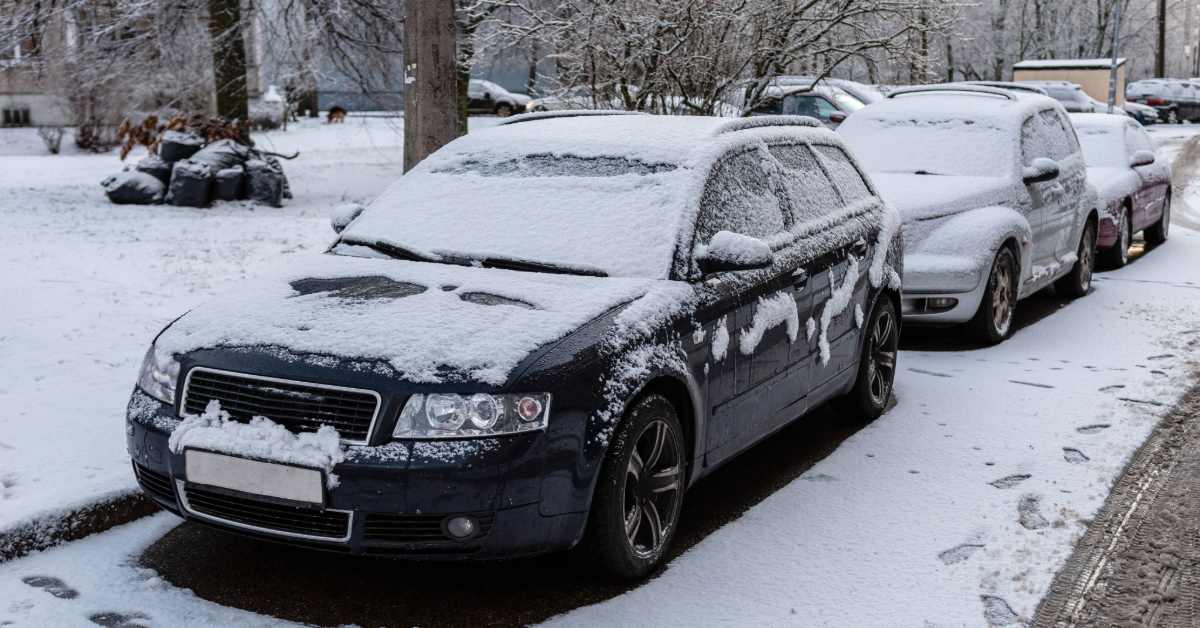
Multiple Danish municipalities have abandoned snow clearing on residential streets this winter, telling homeowners they must pay for private services themselves as budget constraints and prolonged frost force hard choices about which roads to prioritize.
The winter of 2025 to 2026 has brought unusually harsh conditions across Denmark. Weeks of continuous snowfall and freezing temperatures have pushed municipal snow clearing operations to their limits. Many local governments have exhausted their annual winter maintenance budgets months ahead of schedule.
The result has been a stark prioritization system that leaves residential villa streets at the bottom of the list. In several municipalities, these roads have not been cleared at all unless residents arrange and fund their own snow removal.
Municipalities Cut Back on Residential Streets
Local governments across northern Denmark have made difficult decisions about where to deploy limited resources. The main arterial roads connecting towns and cities receive priority clearing. Bus routes and commercial areas come next. Residential villa streets often receive no service at all.
Frederikshavn Puts Homeowners Last
In Frederikshavn Kommune, residential streets fall into category five of the road classification system. These roads only receive attention if time and personnel remain after higher priority routes are handled. This winter, that has not happened once.
Peter Toftemark serves as center chief for Park and Road in Frederikshavn. He explains that roads are classified by their usage and importance. The major arteries connecting different parts of the municipality get cleared first. Category five residential streets sit at the very bottom of the priority list.
If residents want their streets cleared, they must hire private contractors and pay out of pocket. The municipality makes no promises about when or if public snow removal will reach villa neighborhoods.
Hjørring Eliminates Clearing for Brown Category Roads
The situation in neighboring Hjørring Kommune is even more definitive. Politicians there have formally decided to eliminate snow clearing entirely on what they call brown category roads. These residential streets simply do not appear in the winter maintenance plan.
Søren Homann serves as chairman of the technical and environmental committee in Hjørring. He describes the decision as a necessary prioritization given budget realities. Thinking the municipality could afford to clear all roads would be overly optimistic, he says. The brown category roads are simply not included in the plan.
The entire snow clearing budget for Hjørring has been depleted since the beginning of the year. Despite leaving homeowners without municipal service, Homann believes the kommune can stand behind its decision. When snow falls, getting around becomes challenging, he acknowledges. However, a line must be drawn somewhere regarding which roads receive clearing.
Aalborg Residents Should Not Expect Help
Aalborg Kommune has taken a similar approach. Villa street residents should not expect to see a snowplow or salt spreader this winter. Politicians have placed clearing of residential streets at the lowest priority level.
The constant frost and snow have created additional complications this year. Niels Sloth Christiansen leads the road department in Aalborg. He explains that once snow arrives and gets compressed into thick ice layers, mechanical scraping actually makes conditions worse rather than better.
Salting also proves ineffective under these conditions. The salt only dries the top layer, making the surface even more slippery for pedestrians and vehicles. Leaving the uneven snow and ice in place actually provides better traction than attempting to clear it, he argues.
Aalborg allocated 26.1 million kroner for snow clearing this year. By the end of January alone, the municipality had already spent 17.4 million kroner. The rapid depletion of funds has made further cutbacks necessary.
Budget Pressures Drive Hard Choices
The exceptional weather has created unprecedented financial strain for municipal winter operations. Several local governments report spending their entire annual snow clearing budgets within the first few weeks of 2026.
Costs Spiral Beyond Projections
Helsingør Kommune provides a clear example of the financial burden. By early 2026, the municipality had consumed between 1,500 and 2,000 tons of salt. Each delivery truck carries approximately 25 tons. The costs run into millions of kroner when crews must work around the clock.
Weather conditions have required continuous operations for days at a stretch. Ringkøbing-Skjern Kommune divided its territory into 50 routes and brought in external contractors to supplement internal staff. Workers have faced extended shifts, pushing against regulations for driving and rest periods.
The intensity of operations has strained not just budgets but also personnel. Veterans with 14 years of experience describe this winter as particularly challenging. Heavy snow drifts have blocked major routes, requiring pendulum plowing throughout the night to keep roads passable.
Priority Systems Determine Service Levels
Most municipalities operate with formal classification systems that rank roads by importance. These systems typically include four or five categories. The highest priority roads connect major population centers and serve critical functions like emergency vehicle access.
Lower categories include residential streets with lighter traffic. When budgets tighten and conditions worsen, these lower priority roads may receive no service at all. The classification system provides municipalities with a clear framework for making difficult choices about resource allocation.
Frederikshavn Kommune maintains approximately 1,000 kilometers of roads. Clearing and maintaining this extensive network during severe weather requires enormous resources. The classification system allows road departments to focus limited personnel and equipment where they will have the greatest impact.
Homeowners Face Access Challenges
The lack of municipal snow clearing on residential streets has created real problems for villa owners. Thick layers of compacted ice remain on many roads weeks after snowfall. Getting in and out of neighborhoods has become difficult or impossible without private intervention.
Essential Workers Struggle to Respond
Henrik Holm Christensen lives on Nejsigbakken in Sæby. He describes his street as resembling a sledding hill, with conditions that delight children but create nightmares for adults trying to navigate. The uncleared snow and ice have made the road nearly impassable.
As a part time firefighter with Falck in Sæby, Christensen must be able to respond quickly when called to emergencies. The conditions on his street have directly interfered with his ability to do his job. He has been forced to hire a private contractor to clear a path from his driveway to a larger road.
Even with private clearing of his immediate area, problems persist. When municipal plows clear the larger connecting road, they push all the snow to the sides. This creates barriers at the intersection that residents must overcome to reach the cleared road.
Christensen has experienced getting stuck while trying to respond to an emergency call. With adrenaline pumping and an urgent situation waiting, he found himself spinning on ice. Neighbors had to come push his vehicle so he could reach the main road. It was far from ideal preparation for handling an emergency, he says.
Vulnerable Residents Lose Access to Services
The access problems extend beyond individual inconvenience. Several elderly residents live on streets without municipal clearing. These individuals depend on home care services that struggle to reach them when roads remain blocked.
Home care vehicles get stuck regularly on uncleared residential streets. This creates costs for the municipality even when it declines to provide clearing services. More importantly, it compromises the ability of vulnerable residents to receive necessary care.
Emergency vehicle access presents another concern. Fire trucks, ambulances and police vehicles all need to reach homes throughout the municipality. When residential streets remain buried under thick ice, response times increase and access becomes uncertain.
A local debate contribution to Fjordavisen specifically called on Mariagerfjord Kommune to prioritize roads used by home care and day care workers. The writer criticized any municipal inaction that would leave these essential services unable to reach the people who depend on them.
Legal Framework Defines Responsibilities

The division of snow clearing responsibilities follows established legal principles in Denmark. Municipalities maintain formal winter service regulations that specify which roads receive service and under what conditions.
Public Roads Versus Private Paths
Danish law draws a clear distinction between public roads maintained by municipalities and private shared roads owned by property owners. The local government has responsibility for public roads, though budget limitations allow prioritization within that category.
Private shared roads fall entirely outside municipal responsibility. Property owners who share access via these roads must arrange their own snow clearing. This typically requires coordination among neighbors or hiring professional services.
Guides for homeowners emphasize the importance of establishing clear agreements about snow clearing on private shared roads. Without advance planning, disputes can arise about who should handle the work and how costs should be divided. Professional services offer one solution that removes potential conflicts.
The distinction between public and private roads becomes particularly important during severe winters. When municipalities struggle to handle their own obligations, they have no legal requirement to extend services to private roads regardless of conditions.
Municipal Regulations Allow Flexibility
Each municipality maintains its own winter service regulations within the framework of national law. These local rules specify road classifications, service levels and priorities. The regulations give municipalities substantial flexibility in how they allocate resources.
No recent changes to national law have altered the basic framework. However, the severe winter of 2025 to 2026 has tested existing systems in unprecedented ways. Municipalities that might ordinarily clear residential streets in normal winters have been forced to abandon that service when faced with extreme conditions and depleted budgets.
The regulatory framework that worked adequately in milder winters has proven insufficient for current conditions. Danish winters have generally been becoming milder in recent decades, making this season’s severity unusual. Municipal budgets and planning reflected expectations of moderate winter weather rather than weeks of continuous snow and frost.
Residents React to Service Cuts
The elimination of snow clearing on residential streets has generated frustration among villa owners. Many question why they should be left to handle snow removal themselves when they pay municipal taxes that fund road maintenance.
Homeowners Question Fairness of Priorities
Henrik Holm Christensen acknowledges that his residential street should not receive first priority for clearing. He accepts that major roads serving more people deserve attention first. However, after five days of black ice covering higher priority roads, he believes residential streets should also receive service.
The municipality does not need to clear residential streets down to bare pavement, he argues. Simply making the roads passable for vehicles would be sufficient. The current situation leaves cars unable to exit, which he notes creates costs for the kommune when home care workers get stuck.
Emergency vehicle access represents another argument for at least minimal clearing. All residents deserve the ability to receive emergency services regardless of where they live, Christensen contends. Fire trucks and ambulances must be able to reach every home in the municipality.
The requirement that residents hire private contractors adds expense during an already expensive season. Professional snow clearing services charge substantial fees. For residents on fixed incomes, particularly elderly homeowners, these costs can represent a significant burden.
Officials Defend Necessary Prioritization
Municipal leaders maintain that the decisions represent unfortunate but necessary choices given budget realities. Søren Homann from Hjørring Kommune emphasizes that he sees many residents helping neighbors who cannot handle snow clearing themselves.
This community self help model represents the municipality’s preferred solution. Officials hope that neighbors will look out for vulnerable residents who lack the physical ability or financial means to arrange private clearing. The informal social network should compensate for reduced municipal services.
From the municipal perspective, the alternative would be inadequate clearing across all road categories. Spreading limited resources too thin would result in mediocre service everywhere rather than reliable service where it matters most. The prioritization system ensures that critical transportation corridors remain functional.
Peter Toftemark from Frederikshavn Kommune notes that the classification system did not change this year. The categories and priorities were established long before the current winter. What changed was the severity and duration of weather that made it impossible to reach lower priority roads.
Looking Ahead
The winter of 2025 to 2026 has exposed limitations in municipal capacity to handle severe weather events. As conditions eventually moderate, questions will likely arise about whether current systems remain adequate.
Budget Discussions Will Follow
Multiple municipalities will need to address significant budget overruns for winter maintenance. The funds spent on snow clearing this season will need to come from somewhere, potentially affecting other services or requiring supplemental allocations.
Future budget discussions will need to consider whether winter maintenance allocations should increase to handle severe weather. However, recent decades have seen generally mild winters in Denmark. Budgeting for the exceptional conditions of 2025 to 2026 might leave municipalities with excess capacity in typical years.
The balance between adequate preparation and efficient resource use remains difficult to strike. Municipal leaders must make projections about future weather based on limited data and competing signals about climate trends.
Residents May Seek Permanent Solutions
Villa owners who faced impassable streets this winter may take steps to reduce future vulnerability. Some may invest in their own snow clearing equipment rather than relying on professional services or municipal help. Others may organize formal agreements with neighbors to share costs and responsibilities.
The experience of 2025 to 2026 has demonstrated that municipal clearing of residential streets cannot be assumed even in severe conditions. Homeowners who require reliable access will need backup plans that do not depend on kommune services.
As immediate conditions improve and spring approaches, the thick ice layers on residential streets will eventually melt. However, the questions raised about responsibilities, priorities and resources will persist beyond this difficult winter.
Sources and References
The Danish Dream: Is Denmark Cold? Climate and Weather Guide
DR: Kommuner til villaejere: I må selv tage jer af snerydningen
HSFO: Snevejr har været dyrt for kommunernes snerydning
Helsingør Dagblad: Store udgifter på saltning i Helsingør
RKSK: Vintervejret udfordrer kommunens vej og parkafdeling
Vinterservice: Snerydning privat fællesvej ansvar regler guide
Viborg Folkeblad: Kender du dit ansvar når der ligger sne
Fjordavisen: Debatindlæg når sneen falder må kommunen ikke gå i stå