Aalholm Castle on Lolland is one of Denmark’s oldest fortresses, with 800 years of history, a famously closed door, and a story that even most Danes barely know. Here is what every expat should know before driving south to see it.
Why Aalholm Castle Still Matters in Denmark
Aalholm Castle sits just outside Nysted on the southern tip of Lolland. It is one of the oldest secular buildings in Denmark, with roots going back to the 1200s. Most expats never make it this far south, and that is exactly why you should.
I have driven to Lolland more times than I can count. Each time, the landscape feels like a different country, flat, agricultural, and quietly beautiful. Aalholm Castle anchors that landscape with a presence you do not forget.
A Castle Hiding in Plain Sight
The first thing to know is that the castle is privately owned and rarely open. You can see it from the road, walk near the moat, and explore the surrounding park. You cannot, in most cases, step inside.
That frustrates a lot of visitors, and I understand why. But once you grasp the layered history of this place, the view from the outside is enough to fill an afternoon.
The 800-Year History of Aalholm Castle
Aalholm Castle was likely built in the 13th century, though some sources push the date back to the 1100s. The earliest written record dates to 1328, when King Christopher II of Denmark was imprisoned here by rebellious nobles. That single event tells you everything about its strategic value.
Lolland was a frontier in medieval Denmark, exposed to Wendish raids from the Baltic. A royal stronghold here was not a luxury. It was a necessity.
From Royal Fortress to Noble Estate
For centuries, the Danish Crown used Aalholm as a regional power base. It served as a residence for queens, a prison for fallen kings, and a tax collection hub. The castle changed hands many times before passing into private ownership in the 1700s.
In 1725, the Raben family acquired Aalholm, and they held it for nearly 300 years. The Raben-Levetzau dynasty would shape the castle’s modern identity, both architecturally and culturally. Their stewardship is the reason the building still stands.
The Christopher II Episode
The 1328 imprisonment of King Christopher II is the most famous chapter in Aalholm’s history. He had fled the Holstein counts who controlled large parts of Denmark, only to be captured and locked up here. The story is grim, political, and very medieval.
According to historical sources cited by Danish heritage agency Slots og Kulturstyrelsen, Aalholm was one of several castles used to neutralise hostile kings. The Danish monarchy was weaker then than the monarchy most expats know today. Power lived in the great noble houses, not the throne.
The Architecture of Aalholm Castle
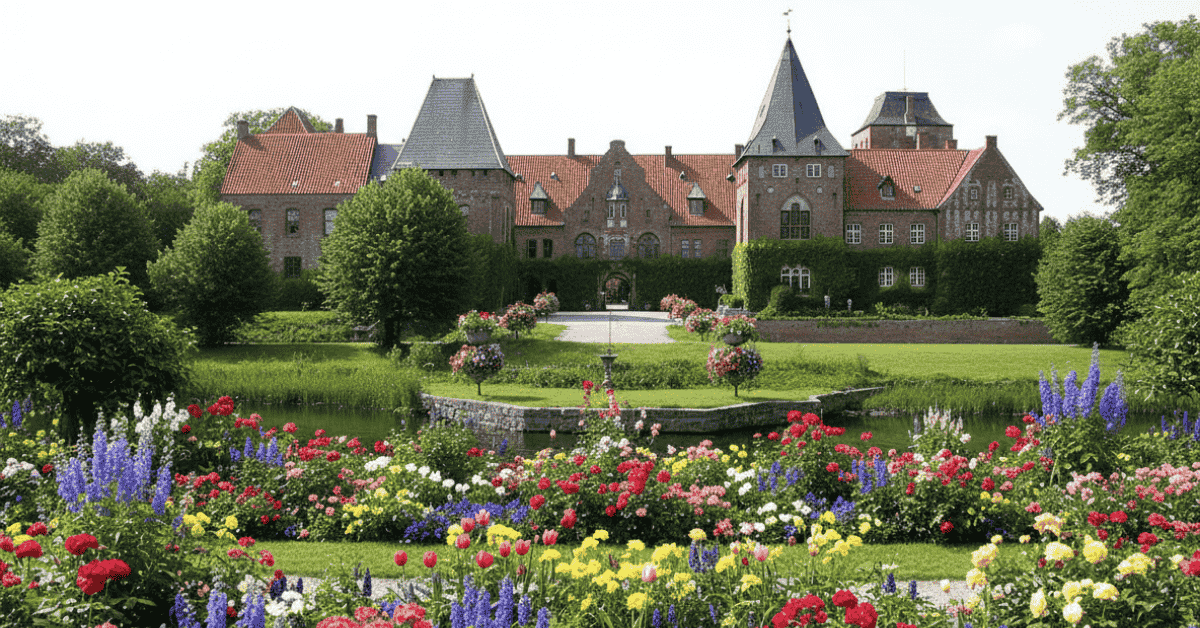
Aalholm Castle is built around a medieval core, with thick brick walls, vaulted cellars, and a four-winged layout enclosing a courtyard. The oldest stonework dates to the 13th century and is still visible in parts of the structure. You are looking at one of Denmark’s most complete medieval secular buildings.
What you see today, though, is not purely medieval. The dramatic silhouette with its turrets and stepped gables is largely the result of a 19th century restoration. That matters more than most guidebooks admit.
The 19th Century Romantic Revival
Between 1889 and 1892, architect Hans Christian Stilling rebuilt large parts of Aalholm in a romantic Gothic Revival style. The Raben-Levetzau family wanted a castle that looked like a castle, in the dramatic European fashion of the time. Stilling delivered.
The result is a hybrid building, medieval bones in a Victorian costume. As an architectural document, it is fascinating. As a fortress, it is mostly theatre.
Comparing Aalholm to Other Danish Castles
If you have already visited Kronborg Castle or Frederiksborg Castle, Aalholm will feel different. Those are Renaissance showpieces, designed to project royal power. Aalholm is older, grittier, and far less polished.
It is closer in spirit to Spottrup Castle or Vordingborg Castle in terms of medieval atmosphere. The big difference is access. Most state-owned castles welcome you in. Aalholm does not.
The Legendary Aalholm Automobile Museum
For 40 years, Aalholm Castle was famous for something completely unexpected. Baron Johan Otto Raben-Levetzau opened the Aalholm Automobile Museum in 1968 inside the castle’s outbuildings. At its peak, it held over 250 vintage vehicles.
This was not a tourist gimmick. The collection was one of the largest private car museums in Europe, with Rolls Royces, Bugattis, and pre-war Mercedes models. I have spoken to older Danes who still remember weekend trips there as childhood highlights.
What Happened to the Collection
The museum closed in 2008 after the baron’s death, and the estate was eventually sold. In 2012, auction house Bonhams sold off the entire collection in a much publicised single-day sale. Per Bonhams, the auction raised millions of euros, with several cars setting record prices for their categories.
The cars are gone. The buildings that housed them are still on the property, though not accessible. For car enthusiasts, this is one of the more painful “what could have been” stories in Danish heritage tourism.
The Ownership Changes Since 2007
Aalholm Castle has changed hands several times since the Raben-Levetzau family sold it. A Polish investor group bought the estate in the late 2000s, with various plans for hotels and events that never fully materialised. The castle has been quiet ever since.
As reported by Danish broadcaster TV2 Øst, locals in Nysted have long hoped for a buyer who will open the castle to visitors. So far, that hope has been disappointed. The property remains a private estate with limited public access.
Visiting Aalholm Castle Today
Here is the honest truth about visiting Aalholm Castle. You can walk the surrounding parkland, photograph the exterior, and enjoy the moat and gardens from the public side. The interior is not open on a regular schedule.
Occasionally, the castle opens for special events, weddings, or heritage days organised with local authorities. Check the Nysted tourist office or Visit Lolland Falster website before you go. Plans change frequently.
When to Visit
The best window is May through September, when Lolland warms up and the gardens look their best. Summer brings the Nysted Sommerkoncert and other harbour events, which pair perfectly with a castle walk. I have been in October too, and the autumn light on the red brick is worth the trip.
Avoid winter unless you genuinely love bleak Baltic landscapes. The grounds are open year round, but the castle itself becomes a grey silhouette against grey skies. Lolland in February is an acquired taste.
What You Can Actually Do On Site
You can walk the perimeter path along the moat and parkland, which is publicly accessible. The view across the water toward the castle’s eastern wing is the classic photograph, and it is genuinely impressive. Bring a picnic and the right shoes.
The nearby Aalholm forest is a Natura 2000 protected area, with ancient oaks and good birdwatching. Combine the castle visit with a forest walk and you have a half day well spent. This is the kind of slow tourism Lolland does best.
How to Get to Aalholm Castle from Copenhagen
Aalholm Castle is roughly 150 kilometres south of Copenhagen, an easy 90 minute drive on the E55 motorway. Exit toward Nykøbing Falster and continue west to Nysted. The signposting is clear.
By train, take the regional service from Copenhagen Central Station to Nykøbing Falster, then a connecting bus to Nysted. The full journey takes around two and a half hours. Bring a book.
Cycling and Other Options
The Berlin to Copenhagen cycling route passes through Lolland, and Nysted sits close to the path. If you cycle, the final approach to Aalholm Castle is unforgettable. Flat roads, Baltic views, and almost no traffic.
For those without a car, renting a bike in Nykøbing Falster is a realistic option. Distances on Lolland are short, and the infrastructure is excellent. Denmark genuinely makes this kind of trip easy.
What Else to See on Lolland-Falster
Lolland-Falster is one of Denmark’s most underrated regions for expats. Most visitors blow past it on the way to Germany. That is a mistake.
The area combines castles, beaches, safari parks, and serious art collections in a small footprint. You can build a strong two day itinerary around Aalholm Castle and still see the highlights of the region.
Top Attractions Within 30 Minutes
- Knuthenborg Safari Park: Northern Europe’s largest safari park, with rhinos, giraffes, and walking trails through 660 hectares.
- Fuglsang Art Museum: A modern museum with a strong collection of Danish Golden Age and Symbolist painting.
- Nysted Harbour: A working fishing harbour with seafood restaurants and a view of the offshore wind farm.
- Maribo Lakes Nature Park: Wetlands and forest trails around four interconnected lakes.
- Maribo Open-Air Museum: Historic farmhouses showing rural Danish life from the 1800s.
- Rødbyhavn: The future endpoint of the Fehmarnbelt tunnel to Germany, currently under construction.
Where to Stay Near Aalholm
Nysted itself has a small selection of guesthouses and harbour-side B&Bs. For more options, base yourself in Nykøbing Falster, the regional capital. It has hotels, restaurants, and an old town worth exploring.
For something special, look at the manor house hotels scattered across Lolland, including Hotel Saxkjøbing and the historic Lolland estates that open guest rooms. Prices are reasonable by Copenhagen standards. Off-season rates can be a genuine bargain.
An Expat’s Take on Aalholm Castle
I will be honest with you. Aalholm Castle is not a “must see” in the Rosenborg or Kronborg sense. You cannot wander medieval halls or photograph royal jewels.
What you get instead is something rarer. A real, lived-in piece of Danish history, sitting where it has sat for 800 years, mostly ignored by the tourist machine. For an expat trying to understand Denmark beyond Copenhagen, that is worth the drive.
Why Lolland Itself Is the Real Story
Lolland is poor by Danish standards, with high unemployment and an ageing population. The Fehmarnbelt tunnel project is supposed to change that, connecting the island directly to Hamburg by 2029. Aalholm Castle stands at the centre of this transition.
If the tunnel delivers on its promises, expect Lolland to reinvent itself within a decade. Visit now, before the tour buses arrive. According to Femern A/S, the project is on schedule for opening in 2029.
The Closed Door Problem
Denmark has a strange relationship with its privately owned castles. Many of the most historically important buildings sit behind locked gates, owned by families or investors who have no obligation to share them. This is legal, but it is also a cultural loss.
I think Aalholm deserves better. With the right public-private partnership, it could become a major heritage site rather than a curiosity. For now, the closed door is part of the experience. Treat it as a mystery, not a disappointment.
Useful Resources and External Links
For deeper research before your visit, the most reliable sources are the Wikipedia article on Aalholm Castle, the regional tourist board at Visit Lolland-Falster, and the Danish heritage agency Slots og Kulturstyrelsen. Each gives a different angle. Together they paint a fuller picture.
For the automobile museum story, the Bonhams auction archive from 2012 is fascinating reading. You can see exactly which cars left Aalholm and what they sold for. It is a slice of Danish collecting history.
Frequently Asked Questions About Aalholm Castle
Is Aalholm Castle open to the public?
Aalholm Castle is privately owned and not regularly open to the public. The surrounding park and moat area can be viewed freely, and the castle occasionally opens for special events, weddings, or heritage days. Always check with Visit Lolland-Falster before planning your visit.
How old is Aalholm Castle?
Aalholm Castle dates back to at least the 13th century, with the first written record from 1328. Parts of the medieval brickwork are still visible in the existing structure, though the current dramatic appearance is largely the result of a Gothic Revival restoration completed in 1892.
What happened to the Aalholm Automobile Museum?
The Aalholm Automobile Museum opened in 1968 and closed in 2008 after the death of Baron Johan Otto Raben-Levetzau. The entire collection of over 200 vintage cars was sold at auction by Bonhams in 2012. The museum has not reopened, and the buildings that housed it remain part of the private estate.
How do I get to Aalholm Castle from Copenhagen?
Aalholm Castle is approximately 150 kilometres south of Copenhagen, about 90 minutes by car on the E55 motorway. By public transport, take a train from Copenhagen Central Station to Nykøbing Falster, then a connecting bus to Nysted. Total travel time is roughly two and a half hours.
What is the best time of year to visit Aalholm Castle?
The best months to visit are May through September, when Lolland enjoys mild weather and the castle gardens are at their most beautiful. Summer also brings local events in Nysted that pair well with a castle visit. Winter visits are possible but offer limited atmosphere.
Who owns Aalholm Castle today?
Aalholm Castle has changed hands several times since the Raben-Levetzau family sold it in the late 2000s. It has been held by various private investors with proposed but unrealised plans for hotels and events. As of recent reports, the castle remains a private estate with no regular public access.
What other castles are near Aalholm Castle?
Within a reasonable drive, you can visit Gavnø Castle near Næstved, the Vordingborg Castle Ruins on southern Zealand, and Nyborg Castle on Funen. Each offers full public access and complements an Aalholm visit nicely.