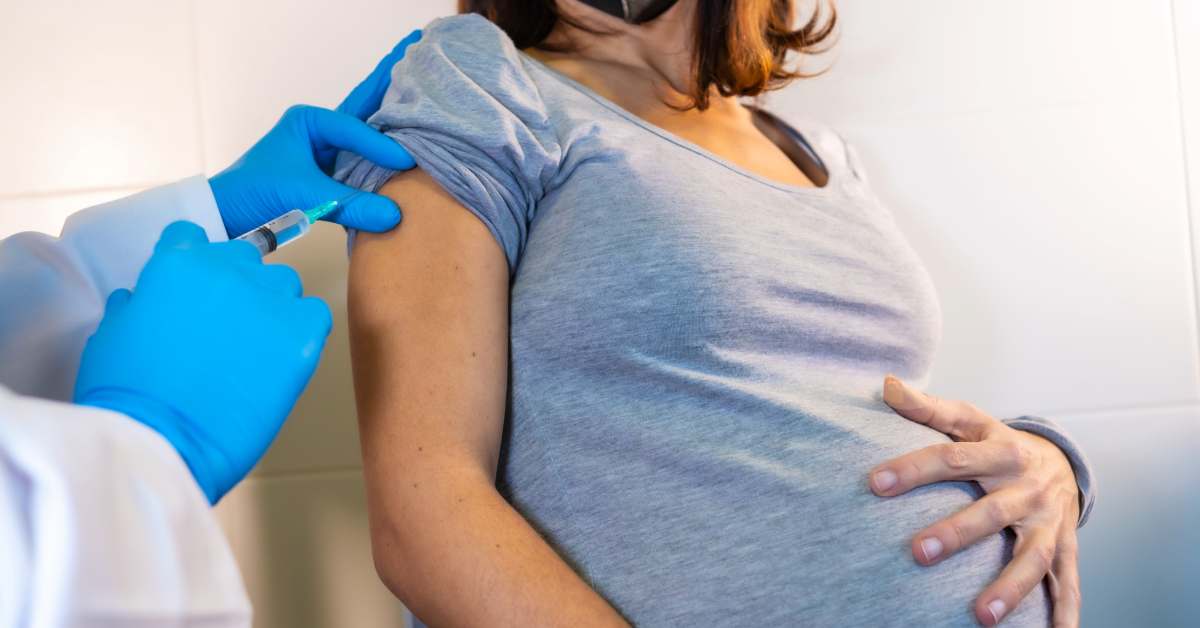
Starting in 2026, the Danish government will offer a free RSV vaccine in Denmark to all pregnant women in an effort to protect newborns from the respiratory infection that hospitalizes over 1,300 infants under the age of one in Denmark each year.
Denmark Rolls Out Nationwide RSV Vaccine for Pregnant Women
In a move aimed at safeguarding one of the most vulnerable segments of the population, the Danish government has announced that, beginning in 2026, all pregnant women will be offered a free vaccine against Respiratory Syncytial Virus (RSV). The initiative is designed to reduce the number of infants hospitalized due to the virus each year by transferring antibodies from vaccinated mothers to their unborn children. The RSV vaccine in Denmark will help keep both mothers and babies safe and give some peace of mind.
According to the Danish Health Authority, RSV is the leading cause of hospitalization among infants in Denmark during the winter months. Every year, approximately 1,500 infants under the age of six months are admitted to hospitals with severe respiratory symptoms linked to RSV. The vaccine could significantly ease the burden on families and healthcare facilities during these peak seasons. This could mean that fewer babies would end up in the hospital.
Implementation and Timing
The new vaccination program will be integrated into existing prenatal care. Women will be invited to receive the vaccine during their 32nd week of pregnancy—a time when they are already scheduled for routine checkups. The seasonal vaccination window will run from May 1 to January 31, aligning with the months when RSV typically begins circulating.
The Ministry of the Interior and Health expects the measure to cover some 32,000 pregnant women annually with the RSV vaccine in Denmark. Although preparations are underway, officials note that extensive planning and logistics are required before the program can fully launch. There is ongoing discussion whether the vaccine could become available earlier than 2026, but health authorities have not confirmed an earlier rollout.
Broad Medical Support
Healthcare professionals at two of Denmark’s largest hospitals—Rigshospitalet in Copenhagen and Aarhus University Hospital—have expressed strong support for the initiative. Pediatric departments report that up to 75% of their wards can be occupied by RSV patients during the winter season. For many hospitals, the surge forces doctors to use all available isolation rooms, borrow beds from other departments, and call in extra staff.
The vaccine’s introduction is expected to cut RSV-related hospitalizations by as much as 80% among newborns in the first three months of life—precisely the age group at highest risk for severe illness from the virus.
Virologists at the University of Copenhagen also acknowledge the benefits for the wider healthcare system, predicting a reduction in pressure on emergency rooms, general practitioners, and even intensive care units, where the most severely affected infants are treated.
Following Global Guidelines
Denmark’s new initiative is part of a growing global trend. Countries such as the United States, United Kingdom, France, Luxembourg, and Australia have either implemented or announced plans for national RSV prevention programs. In September 2024, the World Health Organization (WHO) recommended that all countries adopt RSV vaccinations or antibody-based preventive treatments.
After receiving approval from the European Medicines Agency in 2023, Denmark’s Health Authority advised the government in May to introduce the RSV vaccine in Denmark into prenatal care. Some experts have criticized the timeline, suggesting that the bureaucratic process delayed the program’s launch, potentially missing an opportunity to protect infants during upcoming winter seasons.
Proven Safety and Effectiveness
Clinical trials and real-world data from countries such as the UK show that the RSV vaccine is both safe and effective. Common side effects for pregnant women include mild injection-site pain, fever, or temporary fatigue—symptoms commonly seen with other vaccines. Experts maintain that the benefits far outweigh the minimal risks.
The government has allocated 35.9 million Danish kroner (approximately $5.2 million) for the vaccine initiative in 2026, with an annual budget increase to 40.2 million kroner ($5.8 million) from 2027 onward.
Looking Ahead
While initial vaccine uptake will be closely monitored, experts stress the importance of public awareness and outreach to ensure high participation rates. In the UK, some challenges were observed in achieving widespread adoption during the vaccine’s first season.
The government’s commitment to free RSV vaccine in Denmark marks a significant step in preventive pediatric healthcare. If successful, the program could serve as a model for other countries seeking to reduce the impact of respiratory illnesses on infants and their families.