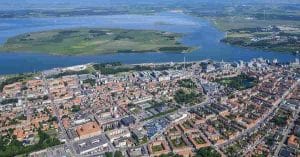
Exploring the Historical Significance of Fredericia Ramparts (Fredericia Vold)
Key Points:
- Historical Significance of Fredericia Ramparts: The ramparts are a well-preserved military fortress in Denmark, symbolizing the country’s strategic resilience and historical battles, especially during the First Schleswig War.
- Military Innovation and Design: Founded in 1650, the ramparts exemplify early bastioned fortifications, designed for effective defense through extensive earthworks, bastions, and moats, reflecting advanced military architecture.
- Preservation and Civil Recognition: Extensively restored in the 20th century, these fortifications are now a public site offering walking routes, reenactments, and a glimpse into Denmark’s wartime history.
- Cultural and Environmental Importance: Beyond their military role, the ramparts are a cultural heritage site surrounded by scenic environments, hosting community events and fostering local pride.
- Visitor Information and Nearby Attractions: Accessible year-round via public transport or car, the site offers guided tours, scenic walks, and nearby attractions like Madsby Park and Fredericia Museum for a comprehensive experience.
Nestled along Denmark’s scenic Jutland, the town of Fredericia is home to one of the nation’s enduring historical treasures: the Fredericia Ramparts, known locally as Fredericia Vold. These awe-inspiring fortifications are much more than just remnants of an ancient military past; they are a testament to the strategic ingenuity and resilience of Denmark’s forebears. Walking along these mighty earthen constructs, visitors tread upon a living museum, where the echoes of battles and victories past quietly resonate through the whispering winds.
A Testimony to Military Innovation
Founded in 1650 by King Frederik III, the town of Fredericia was strategically planned both as a bulwark against foreign invasions and as a means of controlling this vital region. The ramparts were designed as an advanced military defense system at a time when warfare in Europe was undergoing significant technological and strategic changes. They stand as an early example of the bastioned fortification style, which was prevalent in the military architecture of the period.
Stretching approximately 1.5 kilometers, the Fredericia Ramparts are remarkable for their scale and preservation. These earthen defenses include bastions, moats, and walls, forming an extensive network designed to repel attackers and protect the town’s inhabitants. The ramparts were meticulously maintained and updated over the centuries, underscoring their continued relevance in Denmark’s military strategies as late as the 19th century.
Preservation Through Time
While Fredericia’s history is dotted with sieges and conflicts where these fortifications played a key role, the most notable event occurred during the First Schleswig War in 1849. This historic battle, fought between Danish forces and those of Prussia and Schleswig-Holstein, culminated in a decisive Danish victory often credited to the strategic use of Fredericia’s defenses. Annually, the Battle of Fredericia is commemorated through reenactments, drawing visitors and history enthusiasts keen to witness this legendary campaign brought to life.
Today, the ramparts are among the best-preserved fortifications in Northern Europe. Extensively restored in the 20th century, they have been transformed into a walking route that invites leisurely exploration and reflection upon Denmark’s tumultuous military past. Visitors not only experience the physical grandeur of these fortresses but are also offered insight into the broader historical narratives that shaped modern Europe.
Cultural and Strategic Importance
The Fredericia Ramparts hold an essential place in Danish cultural heritage. They serve as reminders of the town’s vital role in terrestrial defense and the broader Danish strategy of maintaining sovereignty in a region long contested by powerful neighbors. Fredericia was among the first towns in Denmark to offer religious freedom, inviting settlers from various backgrounds to fortify its population — a reflection of its strategically inclusive roots extending beyond military concerns.
The significance of Fredericia and its ramparts also extend into cultural and environmental realms. The scenic environment surrounding the fortifications, complete with winding paths, lush greenery, and tranquil battlements, make it a favored spot for both locals and tourists. Visitors often find themselves immersed not only in history but also in the tranquility that today envelops the once-battle-ready site.
In sum, the Fredericia Ramparts are not just ruins from Denmark’s distant military past; they are symbols of a resilient and progressive society committed to defending its freedom and future. They epitomize the harmonious blend of preservation and public engagement, offering a powerful narrative on the importance of historical awareness in contemporary society. These fortifications invite us to explore the intriguing intersections of history, culture, and community while traversing the verdant earthworks that once stood as Denmark’s first line of defense.
Visiting the Fredericia Ramparts (Fredericia Vold): A Traveler’s Guide
Planning a visit to the Fredericia Ramparts is akin to stepping back in time and walking through Denmark’s storied history. With their stunning landscapes and rich historical background, these fortifications are as accessible as they are fascinating, providing insights and experiences that delight both solo travelers and families alike.
When to Visit
The Fredericia Ramparts are a year-round destination, but each season brings its own unique charm to the experience. Spring and summer are particularly popular times to visit, when the lush surroundings are in full bloom, making the landscape vibrant and inviting. During these months, average temperatures in Fredericia hover between 15°C to 20°C (around 59°F to 68°F), offering pleasant conditions for outdoor explorations.
In the autumn, the ramparts are adorned with warm hues of falling leaves, providing a spectacular scene for photographers and nature enthusiasts. Winter’s crisp air may deter some, but for those resilient visitors, the snow-blanketed fortifications offer a serene and picturesque environment. It is pertinent to check weather conditions in advance, particularly if visiting during the cooler months, to ensure a comfortable outing.
How to Get There
Fredericia is conveniently located in Jutland, making it easily accessible from major Danish cities. Trains are a preferred mode of transportation, with direct routes from Copenhagen and Aarhus that take approximately 2 hours and 1.5 hours respectively. Fredericia’s central train station is about a 15-minute walk from the ramparts, providing a straightforward and scenic approach to the site.
For those traveling by car, Fredericia is linked by the E20 and E45 highways. Ample parking is available in the town, enabling convenient access to the ramparts without the stress of navigating city traffic. Visitors can also explore cycling routes, a popular option that lets one enjoy the Danish countryside en route.
Exploring the Site: Tips and Insights
Fredericia Ramparts are open to the public every day, free of charge. The area is pedestrian-friendly, with paved trails perfect for a leisurely walk or a more extended hike across the sprawling landscape. The paths are also accessible to wheelchairs and strollers, ensuring all visitors can experience the site comfortably.
Avoid peak hours in the afternoon when the ramparts are likely to be more crowded; an early morning or late afternoon visit can provide a more peaceful exploration. To enrich your experience, consider joining a guided tour offered by local historians who offer engaging narratives and insights into the ramparts’ wartime significance and architectural design. Brochures and informational plaques scattered across the site offer further points of interest for the inquisitive traveler.
[elementor-template id=”36828″]Pack a picnic to enjoy in the designated areas, as the scenic views from atop the ramparts are remarkable. Remember to bring essentials such as sunscreen, water, and comfortable walking shoes, especially if you plan to spend a significant amount of time exploring. In the heart of Fredericia, within walking distance of the ramparts, you’ll find numerous cafes and restaurants offering traditional Danish and international cuisine, perfect for recharging after a day of historical immersion.
Nearby Attractions
While in Fredericia, it’s worthwhile to explore other nearby attractions to maximize your visit. Just a short walk from the ramparts is Madsby Park, a family-friendly historical park with play areas and reenactment events. Fredericia Museum provides deeper insights into local history and culture, and the nearby Little Belt Bridge offers stunning views of the surrounding seascape.
Fredericia Ramparts serve not only as a reminder of Denmark’s historical past but also as a vibrant venue for community events and cultural celebrations. With careful planning and consideration, your visit to Fredericia can be as inspiring as it is educational, offering memories that resonate long after you’ve left this fascinating historical haven.
Conclusion
The Fredericia Ramparts offer a profound glimpse into Denmark’s rich military history and strategic ingenuity. As one of the most well-preserved examples of Northern European fortifications, they stand as a testament to the nation’s resilience and innovative spirit. Visiting the ramparts is not just an exploration of ancient bastions and moats, but an immersion into the stories and cultural fabric that have shaped Denmark over centuries.
Walking the paths of Fredericia Vold provides a perfect blend of history, culture, and natural beauty. Whether you’re witnessing a reenactment of the significant battles that took place here or simply enjoying a quiet picnic with panoramic views, the experience is both educational and enriching. As a site accessible year-round with numerous amenities and nearby attractions, the Fredericia Ramparts cater to a diverse range of visitors.
Summary
– The Fredericia Ramparts are historical fortifications in Fredericia, Denmark, integral to the town’s military history since its founding in 1650.
– They are one of the best-preserved ramparts in Northern Europe and played a key role in Denmark’s victory during the First Schleswig War in 1849.
– Visitors can enjoy scenic walks, guided tours, and participate in community events surrounding this national treasure.
– The site is accessible via public transport or car, with recommended visits during spring and summer for optimal weather conditions.
– Nearby attractions, including Madsby Park and Fredericia Museum, complement a visit to the ramparts, offering additional historical and cultural insights.
FAQ
1. What are the Fredericia Ramparts?
The Fredericia Ramparts are historical fortifications surrounding the town of Fredericia. Constructed in the 17th century, they were designed for military defense and remain one of the best-preserved rampart systems in Northern Europe.
2. Why are the ramparts important?
The ramparts played a crucial role in Denmark’s defense strategies and were notably significant during the First Schleswig War, where they contributed to a major Danish victory. They are significant historical symbols of Denmark’s military ingenuity and resilience.
3. When is the best time to visit Fredericia Ramparts?
The best time to visit is during the spring and summer months (April to September), when the weather is most favorable for outdoor activities and the surrounding landscapes are vibrant and lush.
4. How much does it cost to visit the Fredericia Ramparts?
Visiting the ramparts is free of charge, making it an accessible destination for all. Costs may be incurred if participating in guided tours or events.
5. Are the ramparts suitable for families?
Yes, the Fredericia Ramparts are family-friendly. The walking paths are accessible for strollers and wheelchairs, and nearby attractions such as Madsby Park cater to children.
6. How can I get to Fredericia Ramparts?
Fredericia is easily accessible by train and car. The town’s train station is about a 15-minute walk from the ramparts, and ample parking is available for those driving.
7. Are there guided tours available?
Yes, guided tours are offered and are highly recommended for those looking to delve deeper into the history and significance of the ramparts. They can provide a more comprehensive understanding of the site’s historical context.
8. Is there a best time of day to visit?
Visiting during the early morning or late afternoon can provide a more serene and less crowded experience. These times also offer beautiful natural lighting for photography enthusiasts.
9. Can I bring a picnic to the ramparts?
Visitors are welcome to bring a picnic to enjoy in the designated areas. It’s a wonderful way to relax and take in the scenery after exploring the historic site.
10. What should I wear when visiting?
Comfortable walking shoes are recommended due to the terrain of the ramparts. Depending on the weather, dressing in layers and bringing sunscreen and water are advisable, particularly for those planning extended visits.