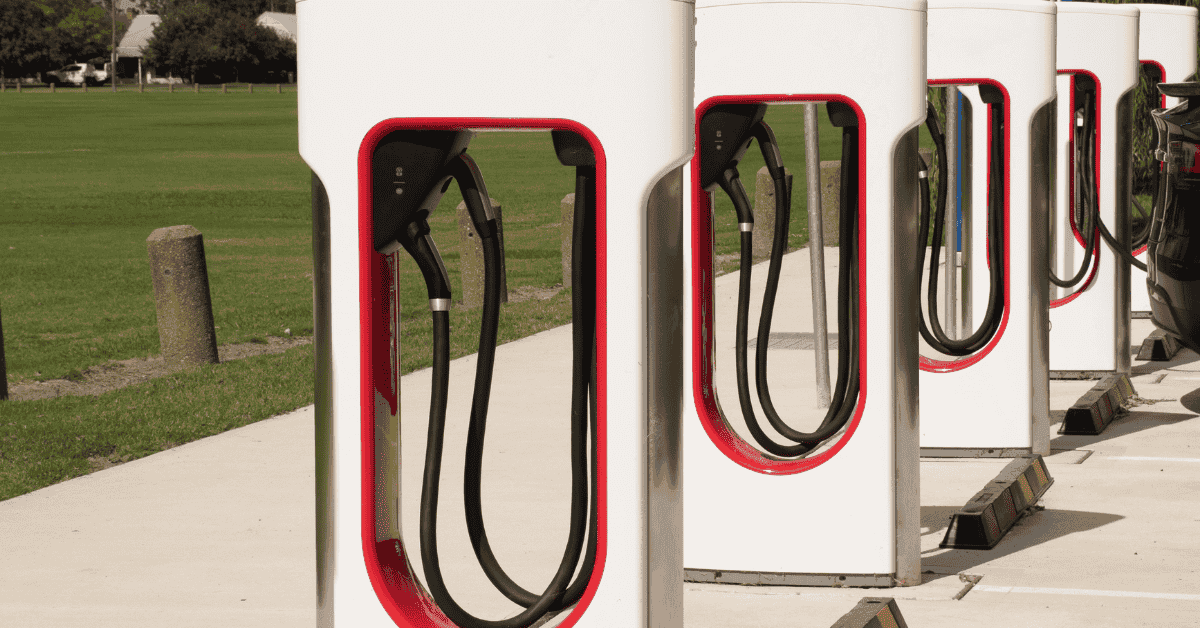
TV 2 reported on Tuesday that charging a standard electric car during the evening peak can cost close to 280 kroner more than charging it late at night, as Danish electricity prices hit their highest level in nearly four years.
Electricity prices in Denmark reached their highest level in several years on Monday, and climbed further on Tuesday, according to TV 2. For most household appliances the difference amounts to a few kroner. For electric cars, the broadcaster calculated, the gap runs into hundreds.
Using hourly prices from the charging app of the energy company Norlys, TV 2 priced a full charge of a 79 kilowatt-hour battery. At a home charger, the cheapest hour was between 23:00 and midnight, at 2.75 kroner per kilowatt-hour, or 217.25 kroner. The most expensive hour was between 17:00 and 18:00, at 6.29 kroner per kilowatt-hour, or 496.91 kroner.
For public charging, TV 2 used a slow 22 kilowatt charger. The same battery cost 376.83 kroner in the cheapest hour and 655.70 kroner between 17:00 and 18:00. The broadcaster noted that a full charge takes longer than one hour on both charger types, which its calculation does not account for.
Why the gap between cheap and expensive hours is so wide
On the European power exchange Nord Pool, one megawatt-hour cost more than 4,000 kroner at Tuesday’s peak, TV 2 reported. Late in the same day, the same volume of electricity cost around 1,500 kroner. Petrol and diesel prices, by comparison, typically move only a few percent from day to day.
On top of the raw electricity price come the so-called winter tariffs, which make it more expensive to transport electricity through the grid during the peak period from 17:00 to 21:00. The stated purpose was to move flexible consumption, especially EV charging, away from the hours when the grid is under the most strain. Per the energy company Trefor, cited by TV 2, that has worked, but it also widens the gap between the cheapest and most expensive hours.
The Copenhagen Post reported on Tuesday that Danish electricity prices had reached their highest average level in almost four years, and that Norlys advised moving electricity-intensive use, including car charging, to cheaper hours. Wholesale averages during the week reached 1.80 kroner per kilowatt-hour in western Denmark and 2.00 kroner in eastern Denmark, the outlet reported, the highest weekly averages since December 2022.
What the hourly price swings mean for internationals who drive an electric car
Danish electricity bills combine a market price that changes every hour with fixed taxes and grid tariffs, known in Danish as nettariffer. The winter tariffs described by TV 2 apply in the 17:00 to 21:00 window, which is also when many commuters plug in after work. That timing matters for anyone budgeting the total cost of running a car here on a foreign salary.

The figures reported by TV 2 show two separate choices affecting the price. Charging at home was cheaper than using a slow public charger in every hour examined, and charging after 23:00 was cheaper than charging at 17:00 in both cases. For residents without a private parking space, who rely on public chargers, the price swing was largest, at 278.87 kroner between the cheapest and most expensive hour.
TV 2 publishes hourly electricity prices on its weather site, but notes those figures exclude taxes and grid tariffs. The apps run by charging operators such as Norlys show the full hourly price, which is what TV 2 used for its calculations. Rising power costs are one part of the broader cost of living in Denmark this winter, and also feed into the economics of EV charging.