Researchers at the University of Copenhagen have published the first high-resolution map of Europe’s wetlands, revealing where restoration could deliver the biggest climate and water-quality wins. The map fills a crucial knowledge gap as EU countries scramble to meet a 2030 deadline to restore degraded wetlands.
Europe has lost half its wetlands over the past 300 years, with some countries wiping out more than 90 percent. That loss has turned vast carbon sinks into greenhouse gas sources. Now, with the EU’s Nature Restoration Law requiring Member States to restore at least 30 percent of degraded wetlands by 2030, the question is simple: where do you start?
A new study published in Nature offers an answer. Led by postdoctoral researcher Gyula Máté Kovács at the Global Wetland Center, the team used satellite imagery and machine learning to map six types of wetlands across 38 European countries at 10-metre resolution. The result is a digital atlas that shows not only where wetlands are but what condition they’re in.
Peatlands Are the Priority
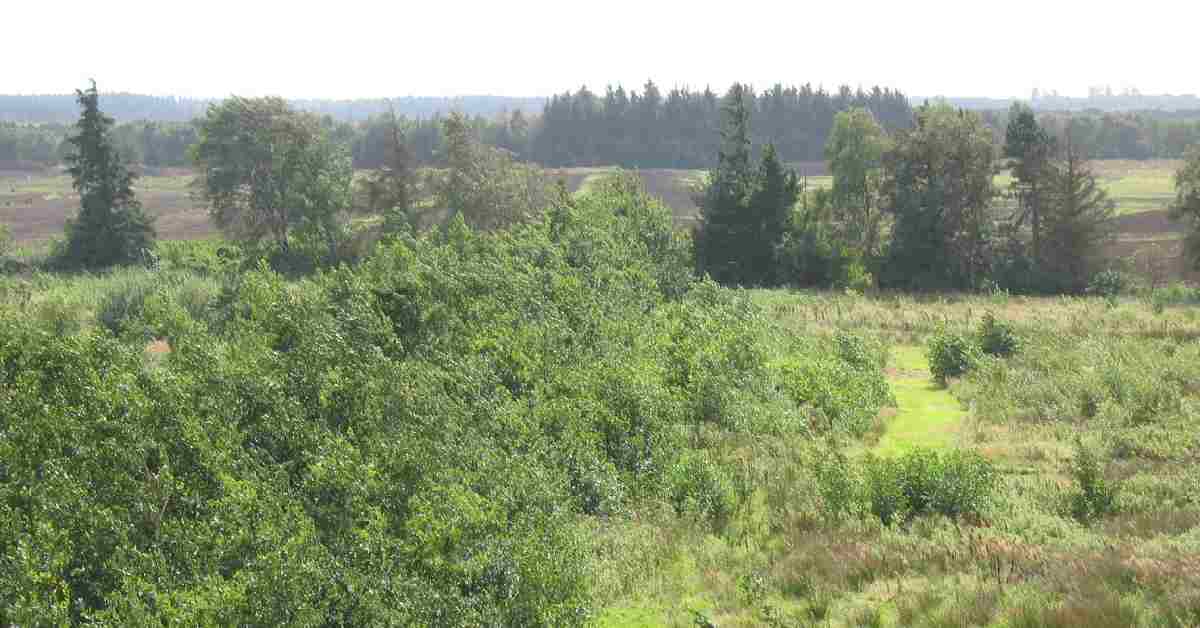
The map identifies peatlands as the most critical type to restore for climate benefits. These carbon-dense ecosystems are concentrated in Northern Europe, including Denmark, and store far more carbon per hectare than forests. But more than one fifth of European peatlands are degraded by drainage, agriculture or peat extraction. When disturbed, they shift from storing carbon to emitting large quantities of CO₂ and nitrous oxide.

Associate Professor Stéphanie Horion, a co-author of the study, says the map enables policymakers to screen potential restoration sites. Coastal marshes don’t store as much carbon as peatlands, she notes. The new tool lets countries prioritize areas where action will have the greatest impact.
A Fragmented Landscape
One striking finding is how broken up Europe’s wetlands have become. Around 27 to 33 percent occur in patches smaller than 25 hectares. Between 7 and 11 percent are found in areas under one hectare. That fragmentation makes restoration harder and means a lot of small wetlands go unnoticed in coarser mapping efforts.
The study estimates that disturbance of European wetlands has released up to 5 billion tonnes of CO₂ equivalents compared to a scenario where they remained intact. That’s roughly equivalent to the EU’s total emissions over 18 months. Inland marshes are the most heavily affected, with human activity degrading water quality, habitat and flood buffering capacity.

I’ve watched Denmark’s approach to nature shift over the years. Wetlands were once seen as obstacles to agriculture. Now they’re recognized as climate infrastructure. But old tensions remain. Farmers worry about losing productive land. Local authorities fear costly re-wetting projects. The new map offers a way forward by showing where restoration delivers measurable benefits without undermining food production.
Nitrogen Removal and Marine Health
Beyond carbon storage, wetlands act as natural filters. A companion study also published in Nature shows that European wetlands already intercept 1,092 kilotonnes of nitrogen per year, cutting nitrogen loads to seas like the Baltic and North Sea by about 25 percent. Strategic restoration could reduce those loads by another 16 to 36 percent.
That matters for Denmark and its neighbors. The Baltic is among Europe’s most eutrophication-prone seas, plagued by algal blooms and oxygen-depleted dead zones. Wetlands upstream can remove nitrogen before it reaches coastal waters. The new modelling suggests that targeting high-surplus nitrogen areas and land likely to be abandoned can achieve big reductions with minimal agricultural disruption.

National Plans Due by 2027
The Nature Restoration Law requires every Member State to submit a national restoration plan by 2027. Several countries have yet to designate specific areas or set targets. Horion says they could use this map as a starting point. It harmonizes varying definitions of what counts as a wetland, making cross-border comparison possible.
What Denmark classifies as peatland may not match Scotland’s definition, Kovács notes. Harmonized standards are essential for reporting and accountability at the EU level. The map gives Brussels a way to assess whether national plans add up to the bloc’s overall restoration goals.

Political Pushback and the Path Ahead
The Nature Restoration Law faced fierce opposition from conservative and agricultural groups before it passed. Critics warned that restoration targets would restrict farming and development. Supporters argued that restoration and sustainable agriculture can coexist, and that meeting climate commitments under the Paris Agreement depends on reversing ecosystem degradation.
The new nitrogen study provides ammunition for both sides. Environmentalists point to the large climate and water-quality benefits. Farming lobbies will scrutinize the claim that restoration can happen with minimal impact on production. Either way, the science is now on the table. Member States can no longer claim they lack the data to decide where restoration makes sense.
Living in Denmark, I’ve seen how slowly policy moves when land use is involved. Wetland restoration hits all the hot buttons: property rights, farming income, local identity. But the map gives planners a tool to navigate those tensions with evidence. It won’t make the politics easy. It will make them harder to avoid.

Kovács is already working on a global version of the map. Together with colleagues at the Global Wetland Center, he aims to improve worldwide estimates of greenhouse gas emissions from wetlands. The European atlas is a proof of concept. If it helps countries meet their 2030 targets, the method could scale.
For now, the message is clear. Europe knows where its wetlands are, what shape they’re in and where restoration could pay off. The question is whether governments will act before the 2030 deadline, or whether the map will simply document what was lost.
Sources and References
Ritzau: New Study Pinpoints Europe’s Most Critical Wetlands for Climate Action
The Danish Dream: Amosen Nature Park Denmark’s Timeless Blend of Natural Beauty and Ancient History
The Danish Dream: Lille Vildmose Denmark’s Largest Bog
The Danish Dream: Explore Nature in Denmark