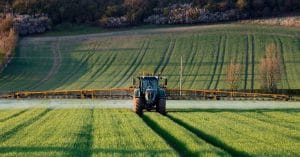
EU’s proposed reform of agricultural subsidies could weaken green requirements just as Denmark pushes to transform farming for climate goals. The shift toward national flexibility risks creating uneven competition and slower environmental progress across member states.
The battle over Europe’s farm money is heating up again. Negotiations on the next Common Agricultural Policy, known as CAP, are underway in Brussels. The reform is scheduled to take effect in 2029. What happens in these negotiations will shape how Danish fields, forests and wetlands develop for years to come.
CAP is one of the EU’s largest budget items. It controls how billions of euros flow to farmland across member states. In Denmark, that money influences everything from wetland restoration to solar panel installations on agricultural land. Get the policy right, and it funds climate solutions. Get it wrong, and it locks in yesterday’s production models.
Green Requirements Under Pressure
The European Commission’s draft proposal has raised alarms among environmental groups. According to Concito, the climate think tank, the reform no longer requires member states to earmark a significant share of funds for green initiatives. That represents a major shift from current rules.
The proposal also introduces more national co-financing for environmental programs. Countries with smaller public budgets, like Spain, may struggle to match EU funds for green projects. That creates an uneven playing field across Europe.
For Denmark, France and the Netherlands, which have set ambitious agricultural climate targets, this poses a problem. If other countries can channel CAP funds into boosting production instead of environmental transformation, Danish farmers face unfair competition. They must meet stricter rules while competitors elsewhere face lighter demands.
What Denmark Stands to Lose
I have watched Denmark grapple with farmland conversion debates for years now. The tension between food production, nature restoration and energy infrastructure is constant. Every hectare matters when you are trying to balance agriculture, rewilding and renewable energy development.
CAP funds help ease those transitions. They can pay farmers to retire low-lying land prone to flooding. They support new forestry projects. They finance experiments with alternative land use. Without strong green earmarks, that financial cushion shrinks.
Denmark’s incoming government should push back hard in Brussels. The priority must be keeping meaningful climate and nature requirements in place for all member states. If that fails, the fallback position should be reducing the national co-financing burden for green measures.
Simplification or Dilution
The push for reform comes from legitimate frustration. Farmers across Europe have protested excessive paperwork and confusing regulations. Simplification sounds reasonable. But simplification often becomes a cover for lowering ambition.
The question is whether streamlining rules means making them more effective or just less demanding. Environmental organizations fear the latter. Industry groups argue that complicated requirements hurt both compliance and support for transition.
This is not a new fight. CAP has been caught between green ambition and political relief for years. Protests from agricultural sectors have repeatedly forced policymakers to soften environmental requirements. The pendulum swings back and forth between tighter rules and lighter burdens.
The Bigger Picture
What happens with CAP reverberates through Danish climate policy. Agriculture is a major source of greenhouse gas emissions here. It also controls most of the land area. Any serious climate plan must address how that land is used and who pays for changes.
The reform lands at an awkward moment. Denmark is implementing its green tripartite agreement, which aims to reduce agricultural emissions significantly. That plan assumes support from European funds. If CAP weakens, Denmark either pays more from national coffers or slows the transition.
For expats living here, this matters because it shapes the landscape we inhabit. It determines whether Denmark can credibly claim climate leadership or whether economic pressures force compromises. It also affects food prices, rural development and the constant negotiation between production and preservation that defines this small, densely used country.
The reform debate will continue through 2028. Denmark must stay engaged and vocal. European farm policy may sound technical, but its consequences are visible from every train window crossing Jutland.
Sources and References
The Danish Dream: Danish farmland prices soar amid investor rush
The Danish Dream: Denmark converts farmland to wetlands for climate
The Danish Dream: Denmark tests vertical solar panels on farmland
Concito: Ny CAP-reform risikerer at svække den grønne omstilling